


 Floor Tiling
 Kitchen & Backsplash
 Shower & Wet Areas
 Lighting & Fixtures
 Devices & Upgrades
 Specialty Electrical
 Air Conditioning
 Water Heaters
 Climate Control
Advanced Waterproofing Systems Toronto
A tiled wet area only performs as well as the waterproofing behind it. Showers, tub surrounds, wet rooms, curbless entries, benches, and niches all face repeated moisture exposure, so the visible tile surface is only one part of the assembly. TCNA says the waterproof membrane in shower methods must cover the solid backing under the entire area to be tiled, and Custom Building Products states that tile and grout alone do not stop water intrusion completely and that a waterproof membrane should be installed before tile is set. At Toronto Handyman Services, advanced waterproofing systems are designed as a complete wet-area protection layer, not a small add-on before tile. Toronto and GTA competitors repeatedly use terms such as Schluter waterproofing systems, premium membranes, fully sealed enclosures, waterproofing-first systems, and leak-proof showers, because serious bathroom buyers now understand that hidden protection matters as much as visible tile.
What advanced waterproofing systems include

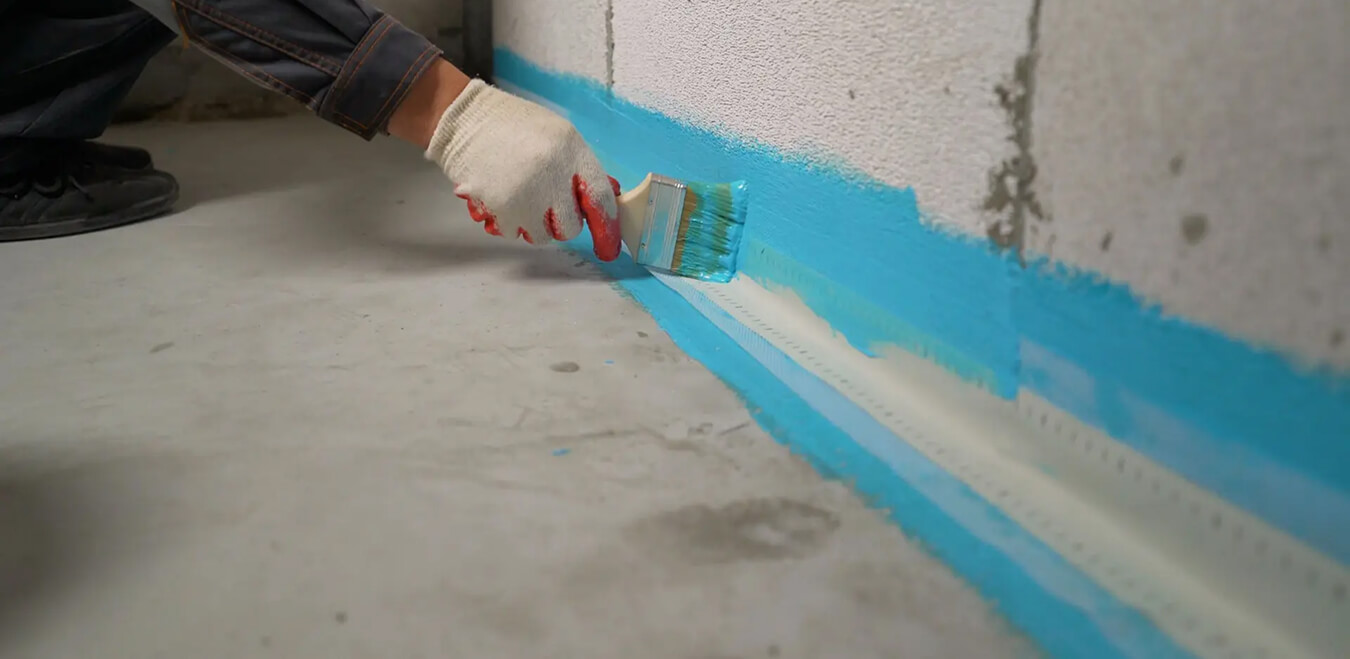
Advanced waterproofing systems can include surface waterproofing membranes, sealed seams, bonded drains, floor-to-wall transitions, preformed or site-built shower bases, treatment around pipe penetrations, waterproofing for niches and benches, and integration with the tile-setting system above. In Toronto competitor pages, waterproofing is often bundled with shower builds, curbless showers, benches, niches, dry-pack or foam bases, and full bathroom tile work rather than sold as a single generic step.
The key point is continuity. A waterproofing system is only as good as its weakest junction, which is why corners, seams, drains, curb transitions, and changes in plane are so important. One Toronto competitor explicitly warns that showers not waterproofed carefully at corners, seams, and around the drain will leak, while the Custom technical paper says sheet membranes remain waterproof only when the seams are properly treated and sealed according to the manufacturer’s method.
Why waterproofing matters behind tile
Tile is a finish surface, not the full moisture-management system. Custom’s technical paper says grout joints and penetrating sealers do not eliminate water intrusion completely, notes that some tile itself is porous enough to allow water penetration, and states that a waterproof membrane should be installed before the tile is set. Schluter’s shower-system content likewise describes a tiled shower assembly as a fully bonded, watertight assembly, which reinforces the same point: the real protection is the system behind the tile.
That is why advanced waterproofing matters most in bathrooms, showers, and other wet areas where repeated exposure can turn a hidden leak into damaged backing, mould risk, and expensive repairs. Toronto competitor pages consistently sell waterproofing as the most important hidden stage in bathroom and shower work, especially on premium installations, because clients increasingly understand that visual quality means very little if the enclosure is not sealed properly.
Types of advanced waterproofing systems
Bonded sheet membrane systems
Bonded sheet membranes are factory-made waterproof sheets that are fixed to the substrate before tile is installed. Custom’s paper explains that sheet membranes come in different compositions and must be properly bonded and fully sealed at the seams to maintain waterproofing, while Schluter describes its shower system as an integrated, fully bonded, watertight assembly for tiled showers. These systems are popular in the Toronto market because they create a defined surface waterproofing layer directly behind the tile.
Liquid-applied waterproofing systems
Liquid-applied membranes are trowelled, rolled, or brushed on to form a continuous waterproof layer when installed to specification. Custom notes that ANSI A118.10applies to both liquid and sheet membranes used as bonded waterproofing membranes for thin-set tile and stone installations. This makes liquid-applied systems a valid part of advanced waterproofing when the project conditions, substrate, and manufacturer’s instructions all line up properly.
Integrated shower systems
Integrated systems combine membranes, drains, corners, boards, and related components into a single coordinated shower assembly. Schluter describes its shower system as an integrated family of products that form a fully bonded, watertight assembly, and several Toronto competitors specifically name Schluter, Kerdi, or Wedi when describing premium shower waterproofing and bathroom tile work. That pairing of system branding plus leak-prevention language shows what the local market associates with higher-trust wet-area installation.
Where advanced waterproofing systems are most important
Advanced waterproofing matters most in showers, tub surrounds, wet rooms, curbless showers, bathroom floors, niches, benches, and other direct-wet tile areas. Toronto competitor pages repeatedly group waterproofing with shower bases, curbless shower construction, custom niches, benches, and bathroom tile assemblies because those details create more joints, more penetrations, and more opportunities for failure if the system is incomplete.
Curbless and modern walk-in showers especially benefit from higher-level planning be cause drainage, floor transitions, and continuous membrane routing become more critical. Toronto service pages that market walk-in showers and curbless shower work usually pair those services with waterproofing language for exactly that reason.
What the best Toronto competitor pages get right, and where they stop short
The better Toronto/GTA pages do a good job of selling the importance of waterproofing. They mention premium systems, leak protection, proper prep, fully sealed enclosures, Schluter-certified work, and waterproofing-first installation. Those are all strong conversion signals because they match what homeowners worry about most in bathrooms.
Where many pages still stop short is the explanation layer. Fewer of them explain that the membrane needs full coverage behind the tiled area, that seams have to be treated correctly, that drains and penetrations are critical junctions, or that tile and grout themselves are not the waterproof barrier. A stronger page wins by translating those technical issues into homeowner-friendly decision points before the quote request.
Our advanced waterproofing process
Wet-area assessment and system planning
We inspect the shower or bathroom layout, identify the direct-wet zones, review the substrate and transitions, and decide what type of waterproofing system fits the assembly best. Toronto competitors that convert well usually start with assessment, free consultation, or site review because waterproofing is highly layout-dependent.
Surface preparation and substrate readiness
Before any membrane goes on, the substrate has to be suitable, stable, and properly prepared. Toronto waterproofing and bathroom-tile pages frequently tie waterproofing to prep, levelling, and underlayment because the membrane is only part of the system; the surface beneath it still matters.
Membrane installation and seam treatment
We install the selected waterproofing system with close attention to corners, overlaps, seams, and termination points. TCNA says the waterproof membrane must cover the backing under the entire tiled area, and Custom’s guidance says the seams of sheet membranes must be properly treated and sealed to maintain waterproofing.
Drain, niche, bench, and penetration detailing
The most failure-prone parts of many showers are not the open wall fields but the transitions: around the drain, inside corners, penetrations, and accessories. Toronto competitor pages repeatedly sell niches, benches, and custom shower features together with waterproofing because those details require careful system integration.
Tile-ready final assembly
Once the waterproofing layer is complete, the assembly is prepared for tile so the finish surface sits over a protected, continuous, leak-resistant base. This is the part that turns waterproofing from a hidden cost into real long-term value. Toronto competitors repeatedly connect waterproofing to premium tile performance, durability, and peace of mind for exactly that reason.
Common waterproofing failure points advanced systems are built to address
The most common risk points are corners, seams, curb transitions, drains, niches, benches, pipe penetrations, and wall-to-floor junctions. One Toronto competitor explicitly identifies corners, seams, and drains as the places where poor waterproofing leads to leaks, while the Custom technical paper stresses proper seam treatments essential to maintaining waterproof performance in sheet systems.
Advanced systems are built to control these details as part of a complete assembly rather than leaving them to site improvisation. That is why integrated waterproofing products and defined manufacturer methods matter so much on higher-risk wet-area builds.
Why choose Toronto Handyman Services for advanced waterproofing systems in Toronto
Toronto Handyman Services approaches waterproofing as the performance foundation of the tiled bathroom, not as a thin preparatory step hidden behind the finish. This page is stronger than many local competitor pages because it explains the system logic that homeowners actually need to understand: continuous membrane coverage, seam treatment, drain detailing, feature integration, and why tile itself is not the waterproof layer.
Add your real trust signals before publishing:
- Detailed written quotes
- Wet-area planning before tile selection
- Waterproofingfor showers, tub surrounds, wet rooms, niches,and benches
- Careful detailing at corners, seams, and drains
- Toronto bathroom and shower servicecoverage
- Workmanship warranty
- Before-and-after bathroom gallery
- Clear communication on prep, membranes, and installation stages
Frequently asked questions
Is tile itself waterproof?
No. Tile contributes to a durable finish, but the waterproofing layer is the membrane behind or beneath the tile assembly. Custom states that grout and penetrating sealers do not eliminate water intrusion completely and that a waterproof membrane should be installed before the tile is set.
Does the waterproof membrane need to cover the whole shower area?
Yes. TCNA says that in its bonded waterproof membrane shower methods, the membrane must cover the solid backing under the entire area to be tiled.
What is the difference between sheet and liquid waterproofing membranes?
Sheet membranesare factory-made waterproof sheets that must be bonded and sealed at the seams, while liquid membranes are applied in place and cure into a continuous waterproof layer. ANSI A118.10 covers both sheet and liquid bonded waterproofing membranes used in thin-set tile installations.
Why are seams and drains such important waterproofing details?
Because the waterproofing system is most vulnerable where materials meet, where water is directed, or where penetrations interrupt the field. Toronto competitor pages specifically call out corners, seams, and drains as critical leak points, and Custom’s guidance says seams must be properly treated to maintain waterproofing.
Are advanced waterproofing systems only for luxury bathrooms?
No. They are most important anywhere the assembly faces direct and repeated moisture exposure. Toronto competitor pages market waterproofing across standard bathrooms, premium showers, curbless entries, and custom shower features because leak prevention matters at every budget level.
CTA
Planning a shower or bathroom tile project in Toronto? Contact Toronto Handyman Services for advanced waterproofing systems that protect the structure behind the tile, not just the surface you can see.
Table Of Content
- What advanced waterproofing systems include
- Why waterproofing matters behind tile
- Types of advanced waterproofing systems
- Where advanced waterproofing systems are most important
- What the best Toronto competitor pages get right, and where they stop short
- Our advanced waterproofing process
- Common waterproofing failure points advanced systems are built to address
- Why choose Toronto Handyman Services for advanced waterproofing systems in Toronto
- Frequently asked questions
- CTA
Complete Handyman Guide for Homeowners
A handyman helps homeowners with small repairs, home maintenance, minor installations, safety fixes, and odd jobs around the property. These tasks may not need a full contractor, but they still need the right tools, skill, and care.
This handyman guide explains what a handyman does, when to call one, which jobs need licensed trades and how to plan small home repairs in a safe and simple way. It is useful for homeowners, condo owners, landlords, tenants, seniors, and property managers who want clear home repair help without confusion.
What Is a Handyman?
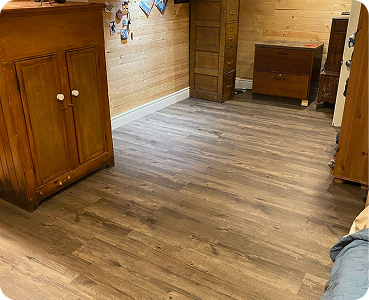
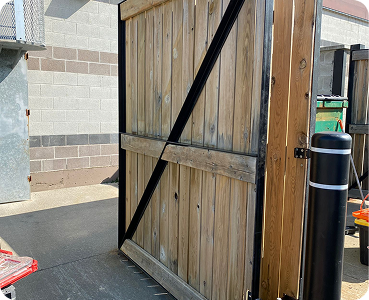
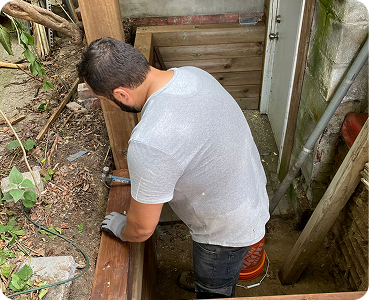
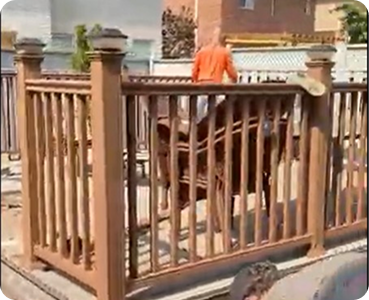
Gallery of Work in Toronto Handyman
Ready to work together?
We would be happy to hear from you if you have a project in mind and are seeking a reliable construction partner for the project.

What Our Clients Are Saying


Had kitchen tiles installed by Toronto Handyman. Denys made sure every detail was perfect.
Jasmine Dixon
Toronto
Denys tiled our bathroom, and the work was flawless. Tight grout lines, perfect leveling — it feels like a luxury spa now. The service isn’t the cheapest, but the craftsmanship speaks for itself.
Hal Baldwin
Toronto
We needed repairs on our deck and fence. Denys from Toronto Handyman did a solid job, making everything sturdy and refreshed.
Tommy Greenwood
Toronto
Had kitchen tiles installed by Toronto Handyman. Denys made sure every detail was perfect.
Jasmine Dixon
Toronto
Denys tiled our bathroom, and the work was flawless. Tight grout lines, perfect leveling — it feels like a luxury spa now. The service isn’t the cheapest, but the craftsmanship speaks for itself.
Hal Baldwin
Toronto
We needed repairs on our deck and fence. Denys from Toronto Handyman did a solid job, making everything sturdy and refreshed.
Tommy Greenwood
Toronto
Service Areas
We offer services across the Greater Toronto Area, including:
Get in Touch
Get an Estimate
Contact us today for a free estimate on your project
Info@thandymanservices.ca
Address
224 Millwood Rd, Toronto, Canada
Opening Hours
09:00–17:00
Telephone
(647) 326-9185