


 Floor Tiling
 Kitchen & Backsplash
 Shower & Wet Areas
 Lighting & Fixtures
 Devices & Upgrades
 Specialty Electrical
 Air Conditioning
 Water Heaters
 Climate Control
Custom Layouts & Precision Cutting Toronto
Custom layouts and precision cutting turn tile from a basic finish into a design feature. In Toronto homes, this usually means layouts such as herringbone, chevron, stacked, offset, diagonal, basket weave, and mosaic, along with accurate cuts around outlets, switches, fixtures, corners, range hoods, niches, drains, and exposed edges. Toronto and GTA competitors repeatedly market these services because buyers want installations that look intentional, symmetrical, and clean rather than rushed or filler-heavy. At Toronto Handyman Services, this service is positioned around the two things that decide the final result: layout logic and cut quality. Good custom tile work is not just about owning the right saw. It starts with dry layout planning, focal-point alignment, balanced edge cuts, and substrate-aware decisions before the first tile is set. Layout guidance for ceramic tiling says planning should consider the tile size and room shape, minimize the number of cuts for better visual effect, and place cut tiles in less visible corners; it also says cuts should be more than half the tile size where possible.

What custom layouts and precision cutting include

This service can include custom pattern planning, dry layout, focal-point centering, balancing grout lines, positioning cut tiles strategically, and making accurate cuts around openings, outlets, switches, trims, corners, niches, shower valves, benches, drains, and range hoods. In the Toronto competitor set, these details are repeatedly described as sharp layouts, perfect outlet cuts, symmetrical cuts, intricate pattern matching, and clean transitions because they are among the first visible signs of installation quality.
The service also covers layouts for small-format and large-format tile across backsplashes, shower walls, bathroom floors, feature walls, entryways, and decorative zones. Toronto competitors often separate this work from standard tile installation because patterned and interruption-heavy layouts require more planning, more cuts, and stricter visual control than straightforward straight-lay tile. Jatoba’s Toronto backsplash guide also notes that mosaic, intricate herringbone, and stacked patterns increase labour because they require more cuts and more setting time.
Pattern layouts we can install
Custom tile layout demand in Toronto is strongest around herringbone, chevron, mosaic, stacked, offset/brick, diagonal, and basketweave patterns. Multiple Toronto/GTA competitors explicitly list these layout types as part of their custom tile or backsplash services, with herringbone and mosaic appearing most often because they create a more visible design upgrade than standard grid layouts.
These layouts suit different goals:
- Herringbone adds movement and visual energy.
- Chevron gives a sharper, more directional pattern.
- Mosaic adds detail and small-scale texture.
- Stacked creates a cleaner, more modern look.
- Offset/brick keeps a classic, familiar layout.
- Diagonal can make smaller areas feel more dynamic.
- Basket weave and decorative layouts add a more custom, traditional or high-detail finish.
Why layout planning matters before installation starts
The strongestToronto competitor pages talk about precision, but the technicalguidance shows what that really means. Tile layout planning should consider the room shape and tile size, minimize the numberof cuts, and keep cut pieces in less visibleareas for a better visualresult. The same guidance says cut tiles should ideally be more than half the tile size, which is one of the clearest ways to avoid awkward slivers at edges and corners.
That is why dry layout matters so much. Bascoe says it dry-laystiles to create symmetrical cuts and alignment with room features, and Jatoba’s backsplash guide says a dry fit helps minimize small sliver cuts and positions focal patterns properly before installation begins. A better service page should make that point explicit, because layout errors are often designed in before a saw is ever switched on.
Why precision cutting matters around outlets, fixtures, and corners
Backsplashes and shower walls rarely offer uninterrupted tile fields. Real installations have outlets, switches, faucet penetrations, shower valves, corners,trims, cabinet ends, range hoods, niches, and drain details that interrupt the pattern. Toronto competitors repeatedly highlight accurate outlet cuts, flush faceplate fit, clean inside corners, and cuts around range hoods and fixtures because these are the details homeowners inspect up close.
Technical layout guidance also says contractors should plan how to deal with interruptions before laying begins and notes that placing switches and power points at tile edges is good practice because it minimizes cutting. That is one of the strongest decision-level details missing from weak service pages: precision cutting is not just cutting skill, it is interruption planning.
How layout and movement joints need to work together
Custom tile layouts still need room to move. Tile industryguidance says movementjoints are required for tile work on both vertical and horizontal interior and exterior surfaces, and that perimeter and field movement joints are essential. It also notes that grouting inside corners instead of using flexible sealant typically leads to cracking.
That matters on custom-pattern work because the required movement joint does not always fall neatly on a grout line. Tile Letter’s technical review notes that movement joints have often been cut through a tile pattern when needed, but that newer non-linear movement-joint approaches can sometimes allow the pattern to continue more attractively. Combined with layout-planning guidance that says structural joints should carry through the tile assembly and that junction sand restraining surfaces need joint consideration, this means custom layout work must balance design intent with performance.
Our custom layouts and precision cutting process
Design review and room assessment
We review the space, tile type, pattern direction, focal point, substrate condition, and interruptions such as outlets, valves, corners, and trims. Toronto competitors that convert well usually start with consultation and material/layout review because pattern-led tile work depends on the room geometry and the customer’s visual priorities.
Dry layout and cut planning
We dry-lay the pattern so the installation is centered properly, awkward cuts are reduced, and the layout works with cabinets, counters, drains, or feature areas. Competitor pages repeatedly describe this as symmetrical cuts, centered layouts, and precise planning, while technical guidance supports minimizing cuts and keeping them in less visible places where possible.
Surface preparation and reference lines
We prepare the surface and establish the reference lines that control the pattern. This is especially important on herringbone, chevron, mosaics, and other directional patterns where small alignment errors become obvious quickly. Toronto competitors frequently tie custom layouts to surface preparation, waterproofing, and levelling because pattern accuracy depends on a suitable base.
Precision cutting and fitting
We make the required cuts around corners, outlets, trims, niches, drains, cabinets, and other interruptions so the tile fits cleanly without disrupting the overall pattern. Local competitor pages repeatedly sell this stage as clean outlet cuts, range-hood cuts, mitered edges, and exact cuts around fixtures because that is where installation quality becomes most visible.
Final alignment, grout, and finish review
We review pattern continuity, joint consistency, transitions, and the final finish so the layout looks deliberate from edge to edge. Competitor pages across Toronto repeatedly use phrases like seamless grouting, tight joints, grout colour matching, and polished finish because the layout does not truly work unless the finishing details support it.
Where this service adds the most value
Custom layoutsand precision cuttingadd the most value in kitchen backsplashes, shower walls, bathroom floors, feature walls, fireplace surrounds, entryways, and decorative focal-point zones. Toronto competitors regularly use these same room types when selling pattern work because they are the spaces where visual impact matters most and where interruptions often make cutting more demanding.
This service is especially valuable on projects using mosaics, herringbone, chevron, medallion-style features, and small-format tile because those installations multiply the number of alignment decisions and visible joints. Toronto competitor pages also associate these layouts with premium positioning, feature walls, and spa-style bathrooms, which is why customers often search for them as a separate capability rather than just “tile installation.”
Why choose Toronto Handyman Services for custom layouts and precision cutting in Toronto
Toronto Handyman Services treats layout and cutting as design work as well as installation work. This page is stronger than many competing local pages because it explains the details that shape the finished result: how the pattern is centered, how sliver cuts are avoided, how outlets and fixturesare planned into the layout,and how movement requirements can affect the pattern. In the Toronto market, the common trust signals remain free quotes, custom consultation, precision cuts, symmetrical layouts, insured workmanship, and clean finishing, so those should stay in the final published version as well.
Add your real trust signals before publishing:
- Detailed written quotes
- Layout planning before installation
- Experience with herringbone, chevron, mosaic, and diagonal patterns
- Clean cuts around outlets, niches,valves, and trims
- Toronto service coverage
- Workmanship warranty
- Before-and-after gallery
- Clear communication on prep, cuts, and pattern complexity
Frequently asked questions
What tile patterns count as custom layouts?
In the Toronto competitor set, the most common custom layouts are herringbone, chevron, mosaic, stacked, offset/brick, diagonal, and basket weave. These are often sold separately from standard tile work because they need more layout control and more cutting.
Why is dry layout important before tile installation?
Dry layout helps center the pattern, reduce awkward cuts, and position focal elements correctly before tile is set. Technical guidance says layout planning should minimize the number of cuts and place cut tiles in less visible corners, and Toronto competitors also describe dry layout as the way to achieve symmetrical cuts and proper alignment.
Do custom tile patterns cost more?
Usually, yes. More intricate patterns such as mosaic, herringbone, and stacked feature layouts require more cuts and more setting time, which increases labour compared with simpler straight-lay work.
Why do outlet and fixture cuts matter so much?
Because these are eye-level interruptions in the tile field. Competitor pages repeatedly highlight flush outlet cuts, clean faceplate fit, and exact cuts around fixtures because poor cuts immediately make the whole installation look less professional.
Can a custom tile pattern still include movement joints?
Yes. Movement joints are still required in tile work, even on custom layouts. Technical guidance notes that when required joints do not align neatly with the pattern, they may affect the layout, although non-linear joint approaches can sometimes preserve the visual pattern more effectively.
CTA
Planning a herringbone, chevron, mosaic, diagonal, or feature-tile project in Toronto? Contact Toronto Handyman Services for custom layouts and precision cutting that deliver balanced patterns, clean interruptions, and a sharper finished result.
Table Of Content
- What custom layouts and precision cutting include
- Pattern layouts we can install
- Why layout planning matters before installation starts
- Why precision cutting matters around outlets, fixtures, and corners
- How layout and movement joints need to work together
- Our custom layouts and precision cutting process
- Where this service adds the most value
- Why choose Toronto Handyman Services for custom layouts and precision cutting in Toronto
- Frequently asked questions
- CTA
Complete Handyman Guide for Homeowners
A handyman helps homeowners with small repairs, home maintenance, minor installations, safety fixes, and odd jobs around the property. These tasks may not need a full contractor, but they still need the right tools, skill, and care.
This handyman guide explains what a handyman does, when to call one, which jobs need licensed trades and how to plan small home repairs in a safe and simple way. It is useful for homeowners, condo owners, landlords, tenants, seniors, and property managers who want clear home repair help without confusion.
What Is a Handyman?
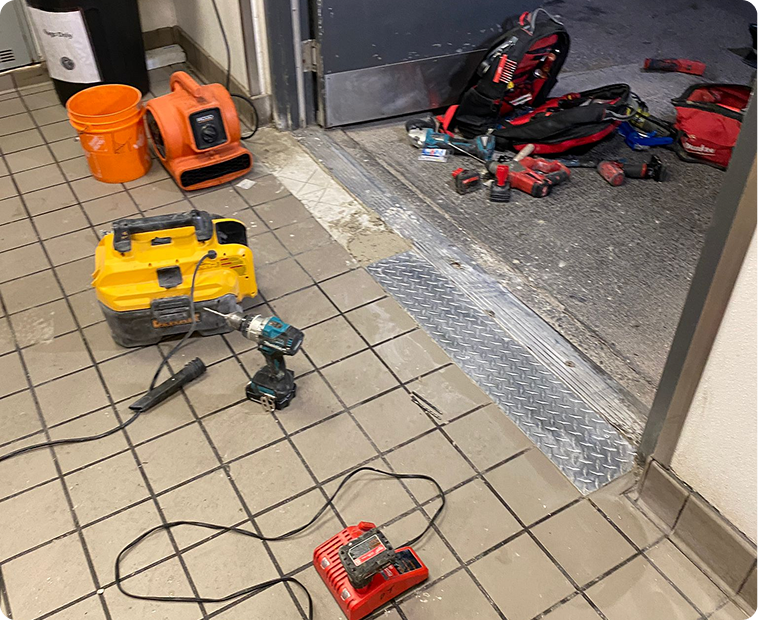
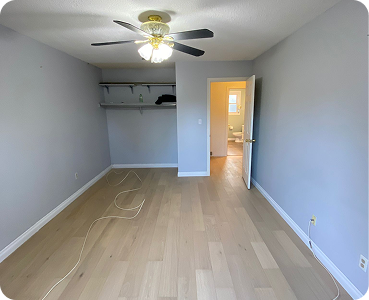
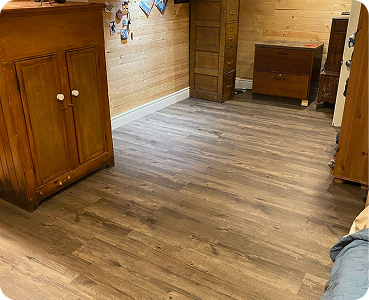
Gallery of Work in Toronto Handyman
Ready to work together?
We would be happy to hear from you if you have a project in mind and are seeking a reliable construction partner for the project.

What Our Clients Are Saying


Had kitchen tiles installed by Toronto Handyman. Denys made sure every detail was perfect.
Jasmine Dixon
Toronto
Denys tiled our bathroom, and the work was flawless. Tight grout lines, perfect leveling — it feels like a luxury spa now. The service isn’t the cheapest, but the craftsmanship speaks for itself.
Hal Baldwin
Toronto
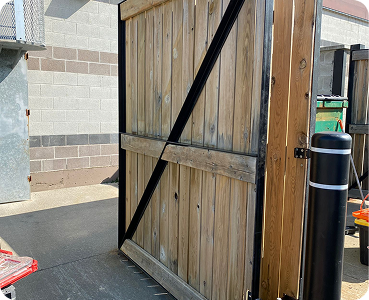
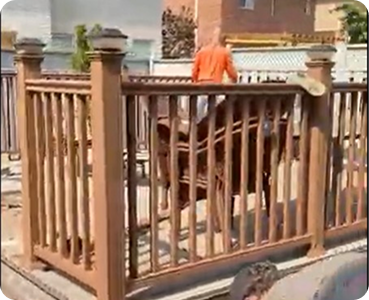
We needed repairs on our deck and fence. Denys from Toronto Handyman did a solid job, making everything sturdy and refreshed.
Tommy Greenwood
Toronto
Had kitchen tiles installed by Toronto Handyman. Denys made sure every detail was perfect.
Jasmine Dixon
Toronto
Denys tiled our bathroom, and the work was flawless. Tight grout lines, perfect leveling — it feels like a luxury spa now. The service isn’t the cheapest, but the craftsmanship speaks for itself.
Hal Baldwin
Toronto
We needed repairs on our deck and fence. Denys from Toronto Handyman did a solid job, making everything sturdy and refreshed.
Tommy Greenwood
Toronto
Service Areas
We offer services across the Greater Toronto Area, including:
Get in Touch
Get an Estimate
Contact us today for a free estimate on your project
Info@thandymanservices.ca
Address
224 Millwood Rd, Toronto, Canada
Opening Hours
09:00–17:00
Telephone
(647) 326-9185