



 Floor Tiling
 Kitchen & Backsplash
 Shower & Wet Areas
 Lighting & Fixtures
 Devices & Upgrades
 Specialty Electrical
 Air Conditioning
 Water Heaters
 Climate Control
Smart Thermostat Installation Toronto
Smart thermostat installation gives homeowners more control over heating and cooling, with features such as scheduling, app access, geofencing, and better visibility into comfort settings. ENERGY STAR says many smart thermostats learn temperature preferences, create energy-saving schedules automatically, and can reduce heating and cooling bills by about 8%, or roughly $50 per year on average. For Toronto Handyman Services, this page should be positioned as a smart HVAC control page, not just a gadget-install page. The strongest version explains the real decision points before installation: whether the system is compatible, whether a C-wire is present, whether the home uses a heat pump or multi-stage equipment, and whether the client wants basic smart control or a more complete comfort setup with sensors and scheduling. Google Nest, ecobee, and ENERGY STAR all make those compatibility details part of the buying and setup process.
What smart thermostat installation includes

This service can include compatibility checking, removal of the old thermostat, wiring review, C-wire or power-accessory planning where needed, thermostat mounting, Wi-Fi connection, app setup, schedule setup, smart-home pairing, and a walkthrough of the controls. Toronto competitor pages repeatedly package installation around Nest, ecobee, Honeywell, app pairing, C-wire fixes, sensor setup, and user training because that reflect show homeowners actually shop for this service.
A stronger page should also explain that not every install is a simple swap. Some projects are straightforward because the HVAC system is already compatible and has the right wiring. Others become more involved because the home has no C-wire, the system is a heat pump, the thermostat controls a condo fan coil, or the client wants room-sensor balancing and automation instead of just replacing the wall control. Competitor pages in Toronto already hint at these scope changes, and official Nest and ecobee guidance confirms that wiring and system type affect installation complexity.
Why compatibility matters before installation
Compatibility is the most important first step. ENERGY STAR says smart thermostats are compatible with most HVAC systems, but it also says most are not compatible with baseboard heating, biofuels, or in-wall heaters. Google Nest likewise says its thermostats are not compatible with high-voltage 120V/240V systems, stranded wires, some proprietary systems, and some other incompatible equipment types.
That means a stronger page should help the homeowner understand that “smart thermostat install” is really a system-match decision first. A low-voltage forced-air furnace and AC setup is different from a line-voltage baseboard system, and a condo control setup can be different again. The best page wins by explaining that before the quote request instead of assuming every old thermostat can be replaced with the same device.
C-wire, power accessories, and why they matter
One of the biggest gaps on weak service pages is the C-wire explanation. ENERGYSTAR says most smart thermostats need a more consistent and reliable power source than older programmable thermostats, and that many function by receiving power through a C-wire. It also says not having a C-wire does not always prevent installation, but it can affect which models work or whether an adapter is needed.
The manufacturer guidance says the same in more practical terms. ecobee says its thermostats require a C-wire to power on, though installation paths such as a Power Extender Kit can help in homes without one. Google Nest says some systems need a C-wire or Nest Power Connector, and that high-impedance or lower-power systems may otherwise have battery-drain problems. That makes C-wire planning one of the clearest reasons a quote may need more than a basic thermostat swap.
Why homeowners upgrade to a smart thermostat
The main reasons are usually better control, easier scheduling, lower wasted heating and cooling, and app-based access when away from home. ENERGY STAR says smart thermostats can automatically adjust to energy-saving temperatures, while geofencing can help the system respond when you are on the way home. It also says average savings are about 8% of heating and cooling bills.
Toronto competitor pages show the same buying intent but in local terms: homeowners want Nest or ecobee setup, easier comfort control, Wi-Fi access, room balancing, and cleaner modern HVAC control. That is why this page should speak to both convenience and system setup, not just product features.
Heat pumps, multi-stage systems, and other setups that need more planning
A stronger page should also explain that not every HVAC system uses the same control logic. Google Nest’s compatibility guidance says some systems such as heat pumps, zone-controlled systems, heating-only, cooling-only, and dual-fuel systems may require a C-wire, power connector, or stronger professional-install planning. It specifically says professional installation is strongly recommended for dual fuel systems.
That matters because one homeowner may only need a basic single-stage thermostat replacement, while another needs a control matched to heat-pump staging, auxiliary heat, or a more specific condo or fan-coil setup. Toronto competitor pages already separate condo thermostat work and more general residential installation for exactly that reason.
When contractor pathway and safety wording matter
This page should avoid blanket “handyman does all thermostat work” wording. For standard low-voltage HVAC thermostat replacement, the key issue is compatibility and proper HVAC control setup. But if the project involves line-voltage heating or work on regulated fuel equipment beyond a simple control swap, the contractor pathway changes. ENERGY STAR and Nest both flag line-voltage systems as a separate incompatibility issue for common smart thermostats, and TSSA says Registered Fuels Contractors are the only businesses legally authorized to do fuels-related work in Ontario.
That means the strongest version of this page positions Toronto Handyman Services around low-voltage smart thermostat installation for compatible HVAC systems, with any more specialized furnace, boiler, or fuels-related control work routed through the appropriate qualified contractor pathway.
What changes the scope of a smart thermostat installation
Not every smart thermostat job is the same. The scope becomes more involved when the home has no C-wire, the thermostat controls a heat pump, the system is dual fuel, the client wants room sensors, the building is a condo with a fan-coil setup, or the selected thermostat needs additional accessories or app configuration. Competitor pages in Toronto repeatedly highlight C-wire additions, sensor pairing, condo compatibility, and app setup because those are the issues customers actually run into.
This is where a stronger page outperforms generic local copy. Instead of promising “install smart thermostat,” it explains why one quote is a simple replacement and another is really a compatibility, wiring, and setup project. Official Nest and ecobee support pages back that up by showing that some installs need more than the wall plate and thermostat itself.
Our smart thermostat installation process
Compatibility and system review
We review the HVAC system, thermostat wiring, and the type of smart control the homeowner wants before recommending a specific install path. ENERGY STAR, Nest, and ecobee all make compatibility checking the first step because not every system supports the same thermostat models.
Wiring and power review
We confirm whether the thermostat location has the wiring needed for the selected model and whether a C-wire, power kit, or other accessory is required. This is one of the biggest real-world installation variables in both official guidance and Toronto competitor pages.
Installation and device setup
We install the thermostat on the compatible system, connect Wi-Fi, and set up the app and basic controls. Toronto competitors repeatedly present Wi-Fi setup, app pairing, and feature walkthroughs as part of a proper installation rather than an extra.
Schedule, sensor, and comfort setup
We set up schedules, eco features, and sensors where applicable so the thermostat actually improves comfort instead of just adding a touchscreen to the wall. ENERGY STAR highlights schedule automation and geofencing as major smart-thermostat benefits, and competitor pages highlight room sensors and balancing hot/cold rooms.
Walkthrough and next-step advice
We explain how the controls work, what the homeowner should monitor, and whether the system would benefit from any additional HVAC follow-up. Strong local competitor pages usually include this final walkthrough because homeowners want the thermostat to be usable immediately after installation.
Where this service adds the most value
Smart thermostat installation adds the most value in homes with forced-air furnaces, central AC, heat pumps, and compatible condo HVAC systems where the homeowner wants better scheduling, remote control, and more efficient day-to-day comfort management. ENERGY STAR says smart thermostats are compatible with most HVAC systems and can deliver measurable savings, which is why they remain a strong upgrade path in heating-and-cooling homes.
It is especially valuable where the old thermostat is basic, inconsistent, or inconvenient, or where the household wants app-based control and more comfort automation without changing the full HVAC system. Toronto competitor pages consistently position smart thermostats as exactly that kind of control upgrade.
What the best Toronto competitor pages get right, and where they stop short
The better Toronto/GTA pages do a good job selling Nest and ecobee setup, C-wire solutions, app pairing, room sensors, and local compatibility help. Those are strong conversion points because they match what buyers are actually worried about before they book.
Where many pages still stop short is the explanation layer. Fewer pages clearly explain line-voltage incompatibility, C-wire limits, dual-fuel or heat-pump setup, or why some smart thermostats need extra hardware or more careful planning. A stronger page wins by making those hidden details easier to understand before the quote request.
Why choose Toronto Handyman Services for smart thermostat installation in Toronto
This page should position Toronto Handyman Services around compatibility-aware HVAC control upgrades, clean setup, and practical user handoff, not vague smart-home promises. The strongest version is one that clearly shows the homeowner how to choose the right thermostat for a compatible low-voltage HVAC system, how C-wire or power-accessory issues are handled, and when a more specialized contractor path is needed for other types of heating equipment.
Add your real trust signals before publishing:
- Detailed written quotes
- Nest, ecobee, and Wi-Fi thermostat setup
- Compatibility checks before installation
- C-wire and power-accessory solutions where applicable
- App setup, schedules, and sensor pairing
- Toronto service coverage
- Workmanship warranty
- Before-and-after control-upgrade examples
Frequently asked questions
Do all smart thermostats need a C-wire?
No, but many benefit from one or require one depending on the system and model. ENERGY STAR says many smart thermostats use a C-wire for consistent power, ecobee says its thermostats require a C-wire to power on, and Nest says some systems may need a C-wire or Nest Power Connector.
Can I install a smart thermostat on a 120V or 240V thermostat system?
Usually not with common HVAC smart thermostats like Nest. Google Nest says its thermostats are not compatible with high-voltage 120V/240Vsystems, and ENERGY STAR also says most smart thermostats are not compatible with baseboard heating or in-wall heaters.
How much can a smart thermostat save?
ENERGY STAR says average savings are about 8% of heating and cooling bills, or about $50 per year on average, with higher savings possible depending on use and occupancy patterns.
Will a smart thermostat work with a heat pump?
Often yes, but system compatibility matters. Google Nest says some heat-pump systems need a C-wire or additional setup, which is why compatibility should be checked before installation.
What makes a smart thermostat installation more involved?
The most common factors are missing C-wire, line-voltage incompatibility, heat-pump or dual-fuel setup, condo/fan-coil controls, and room-sensor or app-setup requirements. Those issues are repeated across both official product guidance and Toronto competitor pages.
CTA
Planning a smart thermostat upgrade in Toronto? Position Toronto Handyman Services around compatible low-voltage HVAC smart thermostat installation, with proper wiring review, C-wire solutions where needed, app setup, and clear guidance before the install starts.
Table Of Content
- What smart thermostat installation includes
- Why compatibility matters before installation
- C-wire, power accessories, and why they matter
- Why homeowners upgrade to a smart thermostat
- Heat pumps, multi-stage systems, and other setups that need more planning
- When contractor pathway and safety wording matter
- What changes the scope of a smart thermostat installation
- Our smart thermostat installation process
- Where this service adds the most value
- What the best Toronto competitor pages get right, and where they stop short
- Why choose Toronto Handyman Services for smart thermostat installation in Toronto
- Frequently asked questions
- CTA
Complete Handyman Guide for Homeowners
A handyman helps homeowners with small repairs, home maintenance, minor installations, safety fixes, and odd jobs around the property. These tasks may not need a full contractor, but they still need the right tools, skill, and care.
This handyman guide explains what a handyman does, when to call one, which jobs need licensed trades and how to plan small home repairs in a safe and simple way. It is useful for homeowners, condo owners, landlords, tenants, seniors, and property managers who want clear home repair help without confusion.
What Is a Handyman?
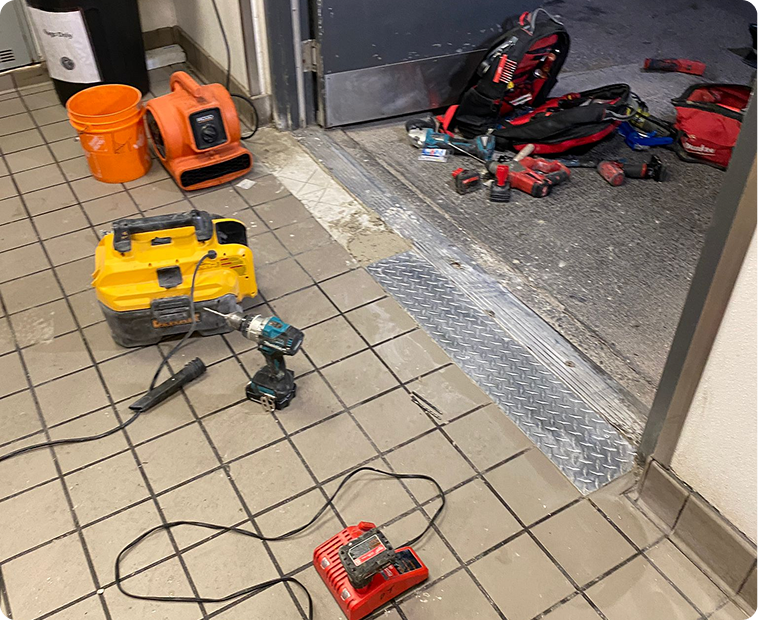
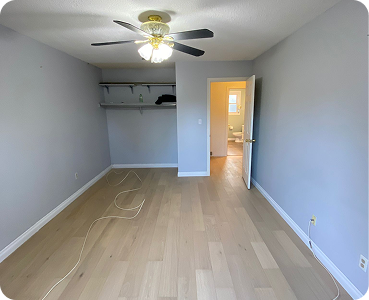
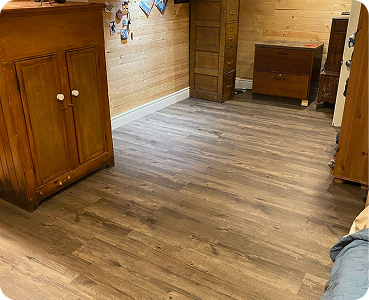
Gallery of Work in Toronto Handyman
Ready to work together?
We would be happy to hear from you if you have a project in mind and are seeking a reliable construction partner for the project.

What Our Clients Are Saying


Had kitchen tiles installed by Toronto Handyman. Denys made sure every detail was perfect.
Jasmine Dixon
Toronto
Denys tiled our bathroom, and the work was flawless. Tight grout lines, perfect leveling — it feels like a luxury spa now. The service isn’t the cheapest, but the craftsmanship speaks for itself.
Hal Baldwin
Toronto
We needed repairs on our deck and fence. Denys from Toronto Handyman did a solid job, making everything sturdy and refreshed.
Tommy Greenwood
Toronto
Had kitchen tiles installed by Toronto Handyman. Denys made sure every detail was perfect.
Jasmine Dixon
Toronto
Denys tiled our bathroom, and the work was flawless. Tight grout lines, perfect leveling — it feels like a luxury spa now. The service isn’t the cheapest, but the craftsmanship speaks for itself.
Hal Baldwin
Toronto
We needed repairs on our deck and fence. Denys from Toronto Handyman did a solid job, making everything sturdy and refreshed.
Tommy Greenwood
Toronto
Service Areas
We offer services across the Greater Toronto Area, including:
Get in Touch
Get an Estimate
Contact us today for a free estimate on your project
Info@thandymanservices.ca
Address
224 Millwood Rd, Toronto, Canada
Opening Hours
09:00–17:00
Telephone
(647) 326-9185