



 Floor Tiling
 Kitchen & Backsplash
 Shower & Wet Areas
 Lighting & Fixtures
 Devices & Upgrades
 Specialty Electrical
 Air Conditioning
 Water Heaters
 Climate Control
Electric Heated Floors Toronto
Electric heated floors give homeowners a cleaner way to add comfort exactly where cold floors are most noticeable. In Toronto homes, that usually means bathrooms, kitchens, entryways, basements, and other tiled spaces where bare feet hit the floor first. Warmup’s bathroom guidance positions underfloor heating as ideal for bathrooms, wet rooms, and shower areas, while local Toronto heated-floor pages sell the same category as a comfort-led upgrade that pairs especially well with tile. For stronger SEO and stronger conversion, this page should not just promise warm floors. It should explain the real decision points: which floor finishes work best, how the system is laid out, why the floor sensor and thermostat matter, how keep-out zones are planned, and how the flooring team coordinates with the licensed electrical contractor. ESA’s current flash notice makes clear that the sensor and correct voltage matching are safety-critical, not optional details.
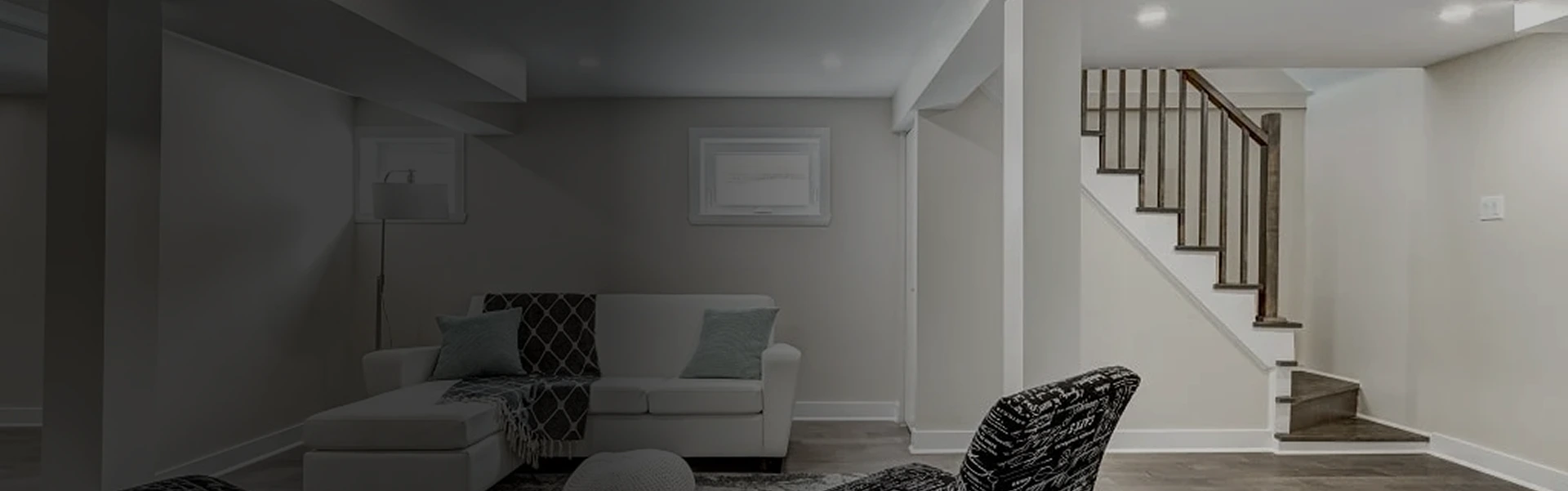
What electric heated floors include

This service can include heated-floor layout planning, substrate preparation, keep-out-zone planning, installation of the floor-heating mats or cables, thermostat and sensor planning, coordination of the licensed electrical connections, inspection before covering, and the finished floor assembly above the system. Toronto heated-floor competitor pages repeatedly package the service around thermostat locations, sensors, keep-out zones, floor levelling, and tile installation, while official product pages position electric floor warming as a complete floor assembly rather than a loose add-on.
A stronger page should also explain that not every heated-floor job is the same. Some projects are simple bathroom floor-warming upgrades under tile. Others become more involved because the room needs floor levelling, uncoupling, a different finish floor, or more coordination between the flooring installer and the electrical contractor. Toronto/GTA competitor pages repeatedly connect heated floors with tile prep, uncoupling systems, and full bathroom or tile projects because that is how the work is usually sold in the local market.
Why homeowners choose electric heated floors
The biggest reason is comfort. Heated floors change how a room feels the moment you step into it, especially in winter and especially in bathrooms and tiled areas. Warmup’s consumer pages sell electric under floor heating around comfort, warmth underfoot, and room-by-room use, and Toronto competitors do the same because buyers are usually looking for a comfort upgrade rather than a visible heating fixture.
The second reason is design freedom. Radiant floor warming does not rely on visible vents or bulky radiators at the point of use, so it works well in renovation spaces where homeowners want cleaner room lines and a more premium finish. Toronto heated-floor and radiant-floor competitors repeatedly frame the category around comfort, cleaner-looking rooms, and luxury-style everyday use.
Where electric heated floors work best
The strongest fit is usually tile and stone floors. Warmup says the best floor type for underfloor heating is tile and stone because they have high thermal conductivity, heat up quickly, and retain heat well. Toronto heated-floor tile contractors also sell heated floors most heavily in tiled rooms because tile and stone are the most natural pairing for electric floor warming in residential renovations.
Electric heated floors can also work with other finishes when the product and temperature limits are right. Warmup says engineered wood is the best wood floor option for underfloor heating, while Nuheatsays its thermostats are suitable for floor heating for tile and stone and include a temperature-limiting feature for laminate and engineered wood floors. That makes finish selection part of the installation strategy, not just a decorative choice.
Why layout, sensors, and keep-out zones matter
This is one of the most important details in the category. ESA’s May 2025 flash notice says a recent fatal case involved an in-floor heating system where the required heat sensor was not installed and a 120V-rated mat was mistakenly connected to 240V, allowing the floor to overheat to 62.2°C (144°F). ESA also says installers must ensure the voltage supplied to the thermostat matches the voltage required by the installed mat or cable, and that some in-floor heating products are not intended to be used without the floor sensor installed and connected.
Layout matters for day-to-day performance too. Toronto heated-floor competitor pages explicitly talk about planning thermostat locations, sensors, and keep-out zones, because the system needs to avoid the wrong areas and sit under a floor assembly that is properly prepared and suitable for heating. ESA also warns homeowners not to leave objects that significantly restrict the normal flow of air over a heated floor unless the manufacturer specifically permits it, which reinforces why layout planning is not just cosmetic.
Why licensed electrical coordination matters in Ontario
This is the key compliance point on the page. ESA’s 2025 flash notice says that any person can install the heating portion of an electric floor-heating system, such as the cables or radiant heating panels, as long as no branch-circuit wiring installation is involved. It then says the branch-circuit wiring from the electrical panel to the in-floor heating must be done by a Licensed Electrical Contractor, and that for multi-party jobs there must be proper coordination so the complete system is interconnected safely.
ESA also says a notification of work must be filed for the electric floor-heating system and that the inspection must be completed before the heating cables or pads are covered. That means this page should be published only where your heated-floor projects are coordinated correctly with your ESA-licensed electrical contractor or licensed electrical subcontractor.
Thermostats and controls: what matters
Heated floors are only as usable as the control system. Nuheat’s current thermostat pages show that their heated-floor thermostats offer 7-day programmability, built-in Class A GFCI,
dual-voltage options, and temperature limiting for laminate and engineered wood floors. Warmup’s smart thermostat pages likewise emphasize floor and air sensing, app-based control, and system compatibility. These features matter because heated-floor buyers increasingly expect scheduled comfort, smarter control, and built-in protection rather than a basic on/off setup.
This is another place where weaker competitor pages usually stop too early. They mention the thermostat, but they do not always explain that the control, sensor, voltage match, and GFCI protection are part of the safety and usability of the system. A stronger page wins by making those hidden details easier to understand before the quote request.
What changes the scope of an electric heated floor project
Not every heated-floor job is a simple mat installation. The scope becomes more involved when the room needs floor levelling, when the finish floor is something other than tile or stone, when the system is part of a full bathroom or tile renovation, when an uncoupling system is used, or when the electrical coordination is more complex. Toronto heated-floor tile competitors repeatedly package heated floors together with floor levelling, tile installation, uncoupling, and bathroom renovation work because those are the real-world conditions that shape the job.
Substrate quality also matters. Local Toronto heated-floor pages stress that the floor should be flat and properly primed, and Schluter markets DITRA-HEAT specifically as an electric floor-warming system that directly incorporates uncoupling technology to help reduce tile-cracking risk. That is why heated-floor work is not just electrical or just flooring— it is a coordinated floor-assembly service.
Our electric heated floor process
Room and floor assessment
We review the room, the floor finish you want, the substrate condition, and whether the project is mainly about comfort under tile or part of a broader renovation. Warmup and Toronto competitor pages both show that bathrooms, tiled rooms, and renovation spaces are the most common use cases.
Layout and keep-out-zone planning
We plan the heated area, thermostat location, floor-sensor position, and any keep-out zones so the system fits the room properly and avoids unsuitable areas. Toronto heated-floor competitor pages explicitly sell this planning stage, and ESA’s current safety guidance makes clear that sensor installation and correct system layout are critical.
Surface preparation and floor assembly planning
We prepare the substrate so the heated floor sits under a suitable, stable finished floor. Local competitor pages emphasize flat, properly primed surfaces, and official floor-warming systems are marketed as part of a larger floor assembly rather than a loose add-on.
Heating-system installation and electrical coordination
The heating mats or cables are installed as part of the flooring assembly, and the branch-circuit wiring and electrical connections are handled by the Licensed Electrical Contractor as required by ESA. ESA’s latest guidance also says the flooring installer and LEC need proper coordination so the thermostat and sensor are installed and connected correctly.
Inspection, covering, and final commissioning
ESA says the notification must be filed and the heating system inspected before the cables or pads are covered. Once the system is ready, the floor finish goes over the assembly and the thermostat is set up for proper operation
What the best Toronto competitor pages get right, and where they stop short
The better Toronto/GTA pages do a good job selling warm tile comfort, thermostat planning, tile-ready prep, uncoupling systems, and full heated-floor assemblies. Those are strong conversion points because they match what buyers actually want: warm floors that feel premium and work reliably in renovated rooms.
Where many pages still stop short is the explanation layer. Fewer pages clearly explain the Ontario coordination rules, the requirement for inspection before covering, the role of the floor sensor, or the difference between the heating-portion install and the branch-circuit electrical work. A stronger page wins by turning those hidden details into useful buying guidance.
Why choose Toronto Handyman Services for electric heated floors in Toronto
This page should position Toronto Handyman Services around heated-floor planning, finished-floor integration, and licensed electrical coordination, not generic handyman labour. Because electric heated floors crossover into electrical work, the strongest version of the page is one that clearly states the electrical portion is handled by your ESA-licensed electrical contractor or licensed electrical partner, with notification and inspection managed correctly where required. ESA is clear that this is the right path for hired residential electrical work in Ontario.
Add your real trust signals before publishing:
- ESA-licensed electrical contractor details
- Detailed written quotes
- Electric heated floors for bathrooms, kitchens, entryways, and basements
- Layout planning for sensors, thermostats, and keep-out zones
- Tile-ready prep and floor-assembly coordination
- Toronto service coverage
- Workmanship warranty
Before-and-after heated-floor gallery
Frequently asked questions
Can a flooring contractor install electric heated floors in Toronto?
Partly. ESA says the heating portion of the system, such as the cables or radiant heating panels, can be installed by any person as long as no branch-circuit wiring installation is involved. But ESA also says the branch-circuit wiring from the electrical panel to the in-floor heating must be done by a Licensed Electrical Contractor.
Does an electric heated floor need an ESA notification and inspection?
Yes. ESA says a notification of work must be filed for the electric floor-heating system and the inspection must be completed before the heating cables or pads are covered.
What floor finish worksbest with electricheated floors?
Warmup says tile and stone are the best floor finishes for underfloor heating because they conduct and retain heat well.
Can electric heated floors go under engineered wood?
Often, yes, when the system and temperature limits are suitable. Warmup says engineered wood is the best wood option for underfloor heating, and Nuheat says its thermostats include temperature limiting for laminate and engineered wood floors.
Do electric heated floors need a floor sensor?
Yes, that is a critical safety and control point. ESA’s latest flash notice says a fatal overheating case involved a system where the required heat sensor was not installed, and it also says installers should refer to manufacturer instructions because some systems are not intended to be used without the in-floor sensor installed and connected.
CTA
Planning a heated-floor upgrade in Toronto? Use this page only where the heated-floor assembly is coordinated properly and the electrical portion is performed by your ESA-licensed electrical contractor, with the required notification, inspection, sensor installation, and voltage matching handled correctly.
Table Of Content
- What electric heated floors include
- Why homeowners choose electric heated floors
- Where electric heated floors work best
- Why layout, sensors, and keep-out zones matter
- Why licensed electrical coordination matters in Ontario
- Thermostats and controls: what matters
- What changes the scope of an electric heated floor project
- Our electric heated floor process
- What the best Toronto competitor pages get right, and where they stop short
- Why choose Toronto Handyman Services for electric heated floors in Toronto
- Frequently asked questions
- CTA
Complete Handyman Guide for Homeowners
A handyman helps homeowners with small repairs, home maintenance, minor installations, safety fixes, and odd jobs around the property. These tasks may not need a full contractor, but they still need the right tools, skill, and care.
This handyman guide explains what a handyman does, when to call one, which jobs need licensed trades and how to plan small home repairs in a safe and simple way. It is useful for homeowners, condo owners, landlords, tenants, seniors, and property managers who want clear home repair help without confusion.
What Is a Handyman?
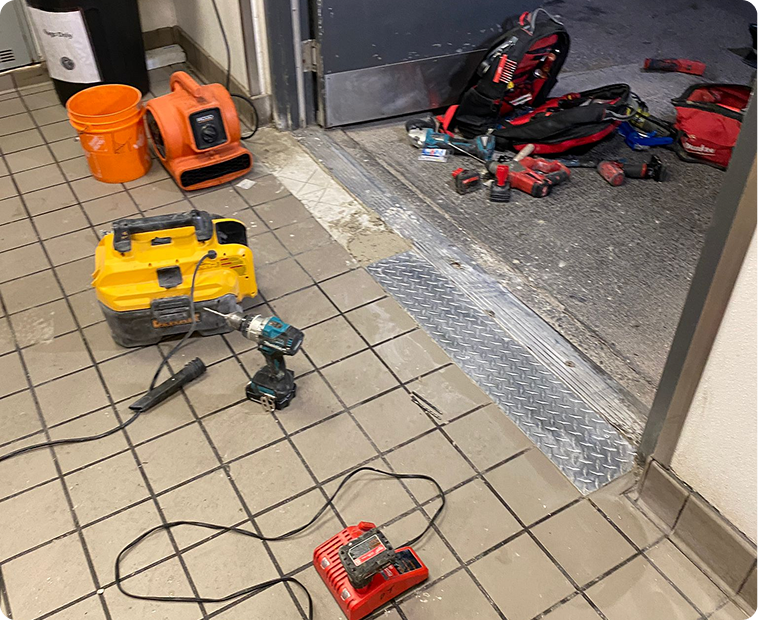
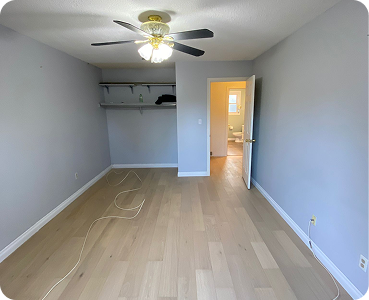
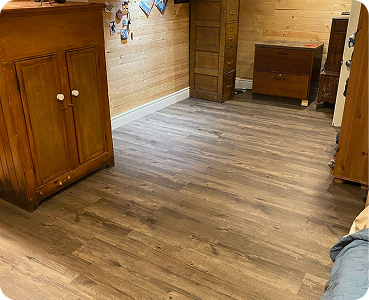
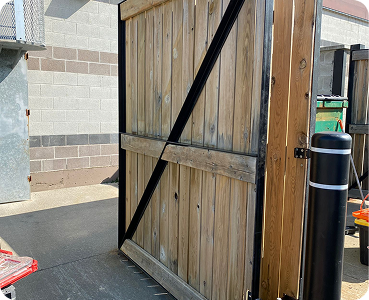
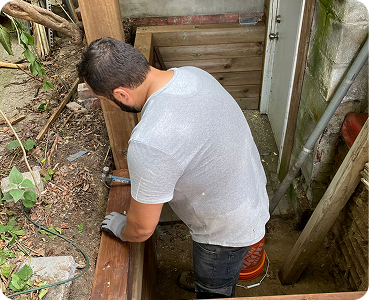
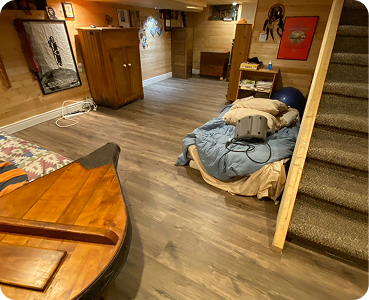
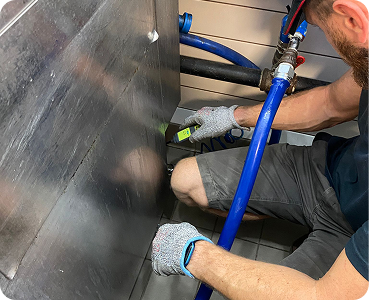
Gallery of Work in Toronto Handyman

Ready to work together?
We would be happy to hear from you if you have a project in mind and are seeking a reliable construction partner for the project.

What Our Clients Are Saying


Had kitchen tiles installed by Toronto Handyman. Denys made sure every detail was perfect.
Jasmine Dixon
Toronto
Denys tiled our bathroom, and the work was flawless. Tight grout lines, perfect leveling — it feels like a luxury spa now. The service isn’t the cheapest, but the craftsmanship speaks for itself.
Hal Baldwin
Toronto
We needed repairs on our deck and fence. Denys from Toronto Handyman did a solid job, making everything sturdy and refreshed.
Tommy Greenwood
Toronto
Had kitchen tiles installed by Toronto Handyman. Denys made sure every detail was perfect.
Jasmine Dixon
Toronto
Denys tiled our bathroom, and the work was flawless. Tight grout lines, perfect leveling — it feels like a luxury spa now. The service isn’t the cheapest, but the craftsmanship speaks for itself.
Hal Baldwin
Toronto
We needed repairs on our deck and fence. Denys from Toronto Handyman did a solid job, making everything sturdy and refreshed.
Tommy Greenwood
Toronto
Service Areas
We offer services across the Greater Toronto Area, including:
Get in Touch
Get an Estimate
Contact us today for a free estimate on your project
Info@thandymanservices.ca
Address
224 Millwood Rd, Toronto, Canada
Opening Hours
09:00–17:00
Telephone
(647) 326-9185