



 Floor Tiling
 Kitchen & Backsplash
 Shower & Wet Areas
 Lighting & Fixtures
 Devices & Upgrades
 Specialty Electrical
 Air Conditioning
 Water Heaters
 Climate Control
Bathroom Exhaust Fan Replacement Toronto
Bathroom exhaust fan replacement improves more than noise. A good replacement fan helps remove steam, odours, and excess humidity so the bathroom dries faster after use and the space is less likely to hold moisture. Health Canada recommends using bathroom exhaust fans and keeping indoor relative humidity around 30% to 50% to help reduce moisture and mould risk. For stronger SEO and stronger conversion, this page should not just promise a new fan. It should explain why people replace bathroom fans in the first place: noisy operation, weak airflow, poor moisture control, old units that no longer clear steam effectively, or fans that were never vented properly to the outside. Toronto-area competitors repeatedly frame their service around those same issues, especially noisy fan replacement, humidistat upgrades, roof-vent work, and low-damage retrofit installation.
What bathroom exhaust fan replacement includes

This service can include removal of the old fan, installation of a new bathroom exhaust fan, electrical reconnection by the licensed electrical team, grille replacement, control upgrade options such as timers or humidity sensing, duct reconnection, air flow review, and testing. In some homes, it can also include checking the exterior vent path and confirming the fan is actually exhausting outdoors. Toronto/GTA competitor pages repeatedly package fan replacement with repair, vent connection, humidistat controls, and quiet-upgrade options.
A stronger page also needs to explain that not every replacement is the same. Some jobs are close to a direct swap. Others become more involved because the existing fan housing size is different, the duct path is poor, the old fan never vented properly, the ceiling access is tight, or the homeowner wants a quieter or better-sized unit. Competitor pages from Toronto and the GTA frequently call out retrofit replacements, no-attic-access installs, roof venting, and sensor upgrades because those are the issues customers worry about most.
Why licensed installation matters in Toronto
Because this is electrical work, the page has to be positioned correctly. ESA says only a Licensed Electrical Contractor can legally do hired electrical work in your Ontario home, and the contractor doing the work is the one who handles the notification and inspection stepswhen required. ESA also advises homeowners to verify the contractor’s licence.
That means this page should be published only if the bathroom fan replacement is performed by your ESA-licensed electrical contractor or licensed electrical subcontractor. This is the same compliance point that applies across your lighting and device-upgrade pages, and it matters here because even a “simple” fan swap still involves residential electrical work.
Why homeowners replace bathroom exhaust fans
The main reasons are usually noise, weak airflow,poor moisture removal,odours, visible steam build-up, or an outdated fan that runs badly or not at all. Health Canada says bathroom fans should be used during showers and for a few minutes afterward, which only works well when the fan actually moves enough air and vents outside properly.
Toronto competitor pages also show that homeowners increasingly want quiet upgrades and smart controls rather than just a new motor. Some GTA pages now position humidity-sensing fans and quiet room-side retrofit models as an upgrade path because newer products can reduce noise and improve usability in finished bathrooms.
Bathroom fan sizing: why CFM matters
A better page should explain CFM, because that is one of the most useful buying details competitors often skip. HVI says bathroom fan airflow is measured in cubic feet per minute (CFM) and recommends a minimumof 50 CFM for bathrooms 50 squarefeet and smaller. For larger bathrooms, HVI says a common rule is roughly 1 CFM per square foot.
That means fan replacement should not always be treated as “same size in, same size out.” In some Toronto homes, the old fan may be undersized for the bathroom, especially if it struggles to clear steam after showers. A stronger service page wins by helping the customer understand that proper sizing affects drying speed, comfort, and moisture control.
Quiet bathroom fan upgrades: why sones matter
Noise is one of the biggestreasons people replaceolder bathroom fans.HVI says bathroomfan sound is measured in sones and recommends 1.0 sone or less for quiet bathroom ventilation. It also explains that lower sone ratings mean quieter operation, which matters because people are more likely to use a fan consistently if it is not loud and annoying.
That aligns closely with the Toronto/GTA competitor pattern. Many local pages sell bathroom fan replacement as a quiet upgrade, not just a repair. That is a strong conversion angle because it links comfort with better daily use, and better daily use supports better moisture removal.
Humidity sensing, timers, and smarter controls
One of the clearest upgrade paths in this category is a fan with humidity sensing or better run-time control. HVI notes that bathroom fans may include a timer or humidistat for automatic operation, and product pages for current retrofit-style fans show that humidity-sensing models can automatically switch on when moisture rises.
This matters because moisture problems often come from short fan run time, not just poor equipment. If people turn the fan off too early, the room may stay damp. Health Canada specifically advises letting the bathroom fan run for a few minutes after use, so timer and humidity-sensing options can make the system easier to use properly.
Why proper venting matters
A bathroom fan only works properly when the air is exhausted to the outside. Health Canada says bathroom fans should vent outside, and its mould guidance specifically says to check that exhaust fans are vented outdoors rather than into the attic. Competitor pages in Toronto also stress roof venting and duct connection because homeowners have become more aware that bad venting defeats the point of the fan.
This is one of the biggest gaps in weaker local pages. They talk about replacing the fan, but they do not always explain that fan performance depends on the full path: the fan itself, the duct, the vent termination, and the airflow route. A stronger page wins by making that clearer before the quote request.
What changes the scope of a bathroom fan replacement
Not every bathroom fan replacement is a simple swap. The scope usually becomes more involved when the ceiling opening does not match the new housing, the ducting needs correction, the exteriorvent path needs attention, the homeowner wants a humidity-sensing or timer-controlled model, or the existing wiring setup needs changes. Toronto/GTA pages repeatedly flag roof venting, room-side retrofit installs, humidistat controls, and same-size vs upgraded replacements as common scope changes.
That is where a stronger page outperforms generic competitor copy. Instead of promising “fan replacement,” it explains why one job is a quick replacement and another is really a ventilation upgrade. That difference matters to homeowners deciding what kind of quote they need.
Where bathroom exhaust fan replacement adds the most value
This service adds the most value in bathrooms that stay steamy for too long, smell musty, show signs of condensation, have noisy old fans, or were renovated without a proper ventilation upgrade. Health Canada’s indoor-air and mould guidance connects moisture control, exhaust use, and relative humidity directly to healthier indoor conditions.
It is also especially valuable in finished bathrooms where homeowners want a quieter unit, better airflow, or automatic operation without a major renovation. Current retrofit-style fan products and GTA competitor pages both show that room-side replacement and no-attic-access upgrades are a major part of this service category.
Our bathroom exhaust fan replacement process
Fan and bathroom assessment
We review the bathroom size, current fan condition, noise level, airflow performance, moisture issues, and the existing control method. This is important because HVI sizing guidance shows that the right fan depends partly on room size, not just on the old unit that happens to be there.
Venting and replacement-path review
We check how the fan is vented and whether the exhaust path is suitable. Health Canada’s guidance makes this step important because bathroom fans should vent to the outside, not into another space such as an attic.
Replacement and upgrade planning
We decide whether the project is a direct replacement or whether it should include a quieter fan, different airflow capacity, humidity sensing, timer control, or another ventilation upgrade. Toronto/GTA competitor pages repeatedly position these as the most common upgrade paths.
Licensed electrical installation and testing
The fan replacement is completed by the licensed electrical team, with the unit connected, secured, and tested properly. ESA says hired residential electrical work in Ontario must be done by a Licensed Electrical Contractor.
Final airflow, noise, and finish review
We review operation, visible finish, and overall function so the fan is not just installed, but actually improves daily ventilation. This matches the better competitor pages, which repeatedly sell quiet performance, proper venting, and clean finished work rather than installation alone.
What the best Toronto competitor pages get right, and where they stop short
The better Toronto/GTA pages do a good job selling licensed electricians, quiet replacement fans, roof venting, humidistat controls, and moisture reduction. Those are strong conversion points because they match the problems homeowners usually notice first: noise, steam, and poor bathroom drying.
Where many pages still stop short is the explanation layer. Fewer pages clearly explain CFM sizing, sone ratings, vent-to-outside requirements, or why a replacement may actually need duct or control upgrades as well. A stronger page wins by turning those hidden details into useful buying guidance.
Why choose Toronto Handyman Services for bathroom exhaust fan replacement in Toronto
This page should position Toronto Handyman Services around moisture-control results, quieter upgrades,and licensed electrical delivery, not generichandyman labour. Because this is electrical work, the strongest version of the page is one that clearly states the replacement is carried out by your ESA-licensed electrical contractor or licensed electrical partner, with notification handled where required. ESA is clear that this is the correct path for hired residential electrical work in Ontario.
Add your real trust signals before publishing:
- ESA-licensed electrical contractor details
- Detailed written quotes
- Quiet bathroom fan replacements and ventilation upgrades
- Humidity-sensing and timer-control options
- Proper vent-to-outside review
- Toronto service coverage
- Workmanship warranty
- Before-and-after ventilation gallery
Frequently asked questions
Can a handyman replace a bathroom exhaust fan in Toronto?
Not as hired residential electrical work unless the business is a Licensed Electrical Contractor. ESA says only LECs are legally authorized to do hired electrical work in Ontario homes.
How big should a bathroom exhaust fan be?
HVI recommends a minimum of 50 CFM for bathrooms 50 square feet and smaller, and for larger bathrooms a common rule is about 1 CFM per square foot.
What is a quiet bathroom fan?
HVI says bathroom fan sound is measured in sones and recommends 1.0 sone or less for quiet bathroom ventilation.
Should a bathroom exhaust fan vent into the attic?
No. Health Canada says bathroom fans should vent outside, and its mould guidance specifically says to make sure they are not vented into the attic.
Are humidity-sensing bathroom fans worth it?
They can be a strong upgrade where moisture control is inconsistent. HVI notes that humidistats are a recognized bathroom-fan feature, and current retrofit models show how humidity sensing can switch the fan on automatically when moisture rises.
CTA
Planning a quieter, better-performing bathroom fan in Toronto? Use this page only where the work is performed by your ESA-licensed electrical contractor, with proper sizing, vent-to-outside review, clean installation, and code-compliant electrical handling.
Table Of Content
- What bathroom exhaust fan replacement includes
- Why licensed installation matters in Toronto
- Why homeowners replace bathroom exhaust fans
- Bathroom fan sizing: why CFM matters
- Quiet bathroom fan upgrades: why sones matter
- Humidity sensing, timers, and smarter controls
- Why proper venting matters
- What changes the scope of a bathroom fan replacement
- Where bathroom exhaust fan replacement adds the most value
- Our bathroom exhaust fan replacement process
- What the best Toronto competitor pages get right, and where they stop short
- Why choose Toronto Handyman Services for bathroom exhaust fan replacement in Toronto
- Frequently asked questions
- CTA
Complete Handyman Guide for Homeowners
A handyman helps homeowners with small repairs, home maintenance, minor installations, safety fixes, and odd jobs around the property. These tasks may not need a full contractor, but they still need the right tools, skill, and care.
This handyman guide explains what a handyman does, when to call one, which jobs need licensed trades and how to plan small home repairs in a safe and simple way. It is useful for homeowners, condo owners, landlords, tenants, seniors, and property managers who want clear home repair help without confusion.
What Is a Handyman?
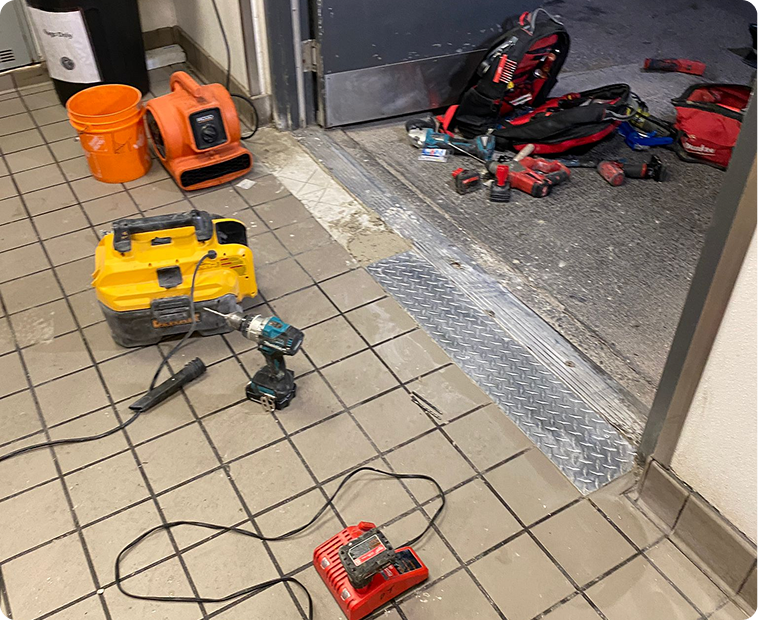
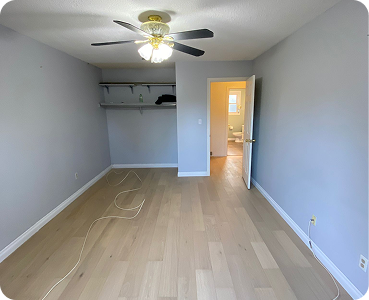
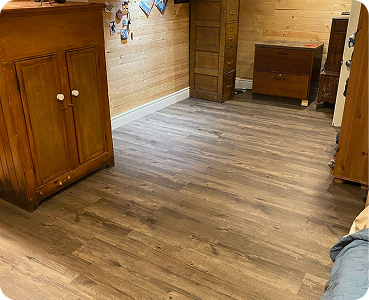
Gallery of Work in Toronto Handyman

Ready to work together?
We would be happy to hear from you if you have a project in mind and are seeking a reliable construction partner for the project.

What Our Clients Are Saying


Had kitchen tiles installed by Toronto Handyman. Denys made sure every detail was perfect.
Jasmine Dixon
Toronto
Denys tiled our bathroom, and the work was flawless. Tight grout lines, perfect leveling — it feels like a luxury spa now. The service isn’t the cheapest, but the craftsmanship speaks for itself.
Hal Baldwin
Toronto
We needed repairs on our deck and fence. Denys from Toronto Handyman did a solid job, making everything sturdy and refreshed.
Tommy Greenwood
Toronto
Had kitchen tiles installed by Toronto Handyman. Denys made sure every detail was perfect.
Jasmine Dixon
Toronto
Denys tiled our bathroom, and the work was flawless. Tight grout lines, perfect leveling — it feels like a luxury spa now. The service isn’t the cheapest, but the craftsmanship speaks for itself.
Hal Baldwin
Toronto
We needed repairs on our deck and fence. Denys from Toronto Handyman did a solid job, making everything sturdy and refreshed.
Tommy Greenwood
Toronto
Service Areas
We offer services across the Greater Toronto Area, including:
Get in Touch
Get an Estimate
Contact us today for a free estimate on your project
Info@thandymanservices.ca
Address
224 Millwood Rd, Toronto, Canada
Opening Hours
09:00–17:00
Telephone
(647) 326-9185