



 Floor Tiling
 Kitchen & Backsplash
 Shower & Wet Areas
 Lighting & Fixtures
 Devices & Upgrades
 Specialty Electrical
 Air Conditioning
 Water Heaters
 Climate Control
Flush & Maintenance Services Toronto
Flush and maintenance services help water heaters run more efficiently, stay cleaner inside, and deliver more reliable hot water over time. A. O. Smith’s maintenance guidance says tank water heaters generally require flushing at least once per year, and more often in hard-water areas because mineral buildup increases sediment accumulation. The same guidance says tankless water heaters do not need tank flushing because they do not have a tank, but many do require descaling. For Toronto Handyman Services, this page should be positioned as a hot-water maintenance page, not just a plumbing cleanup page. Toronto competitors already sell flushing as a way to remove sediment, reduce efficiency loss, and maintain consistent hot water, while tankless-focused competitors position annual maintenance around descaling, filter cleaning, vent checks, and inspection points that go beyond a quick rinse.

What flush and maintenance services include

This service can include flushing a tank water heater, descaling a tankless heat exchanger, inspecting visible components, checking relief and safety-related parts, reviewing filters or air-intake items on tankless systems, and identifying early warning signs before they turn into breakdowns. Toronto competitor pages repeatedly package maintenance around inspection plus flushing/descaling, not just draining water out of the unit.
A stronger page should also explain that some visits stay in the routine-maintenance category, while others uncover wear, leaks, scale buildup, venting concerns, or other conditions that point toward repair or replacement. Toronto competitors already use this pattern by pairing maintenance pages with repair and replacement recommendations when inspection finds larger issues.
Tank flushing vs tankless descaling: the key difference
One of the biggest gaps on weak local pages is that they use “flush” for everything. A. O. Smith says tank heaters need flushing because sediment can build up inside the tank, reduce efficiency, and clog water lines. It also says tankless heaters do not have a tank to flush, but many require descaling depending on type and model.
Rinnai and Navien make that distinction even clearer for tankless equipment. Rinnai says tankless units can accumulate mineral buildup and should be flushed of those deposits at least once a year, while Navien says annual maintenance is recommended because mineral deposits on the heat exchanger and other parts can reduce efficiency, reduce water flow, shorten service life, and even create warranty issues if maintenance is skipped.
Why flushing a tank water heater matters
Tank flushing matters because sediment settles inside the tank over time. A. O. Smith says that sediment buildup can reduce energy efficiency, clog water lines, and contribute to leaks, bad smells, and other common water heater issues. Toronto competitors echo that same logic by marketing tank flushing as a way to reduce inconsistent water temperatures, noisy operation, energy waste, and shortened equipment life.
That means a stronger page should explain the homeowner-facing benefit clearly: flushing is not just maintenance for maintenance’s sake. It is a way to remove the buildup that makes the heater work harder and deliver worse results over time.
Why descaling a tankless water heater matters
Tankless systems are more sensitive to scale because the heat exchanger contains narrow passages that can collect mineral deposits. Rinnai says mineral buildup can erode the walls inside the heating chamber and recommends annual flushing for optimal performance and efficiency. Navien says annual maintenance removes mineral deposits from heat exchangers and other parts, and warns that scale can reduce efficiency, reduce water flow, shorten service life, and create warranty issues if routine maintenance is not performed.
That is why tankless maintenance should be framed as more than “keeping it clean.” It is part of protecting the heat exchanger, preserving flow performance, and avoiding gradual efficiency loss that the homeowner may not notice until hot-water delivery starts slipping.
How often flushing or maintenance should be done
A. O. Smith says most tank water heaters should be flushed at least once per year, with more frequent service in hard-water areas. For tankless units, it says you should follow the manufacturer handbook because maintenance timing depends on the model. Rinnai recommends annual tankless flushing, and Navien also recommends annual maintenance, with more frequent servicing where water hardness is higher. Toronto competitors follow a very similar pattern by recommending annual service as the default and more frequent visits in harder-water conditions or heavier-use homes.
That means the best page should avoid a one-size-fits-all promise. A straightforward annual visit is a good baseline, but water quality, usage, model type, and system age can all change the schedule.
What professional maintenance should cover
A stronger service page should explain that real maintenance goes beyond draining water. Toronto competitor pages describe maintenance work that includes inspection, pressure-relief-valve review, burner or heating-element attention, and tankless-specific checks such as water filters, intake filters, condensate traps, service valves, vent condition, electrical connections, and pressure-related checks. Navien’s maintenance guide also lists inlet-water-filter cleaning, intake-air-filter cleaning, condensate-trap cleaning, descaling the heat exchanger, and visual verification of operation.
This is one of the best ways to outperform weaker local pages. Instead of promising a vague “flush service,” the page explains what a real maintenance visit actually covers and why different system types need different care.
What changes the scope of a flush or maintenance visit
Not every maintenance visit is the same. The scope becomes more involved when the unit has gone years without service, when there are signs of leaks or component wear, when hard water has created heavier scale buildup, or when a tankless unit also needs filter, condensate, vent, or electrical checks. Toronto competitor pages explicitly position maintenance visits as opportunities to catch failing elements, leaking tanks, seized valves, vent issues, and other
early-stage problems before they become bigger repairs.
That is where a stronger page outperforms generic local copy. Instead of treating every appointment as a simple flush, it explains why one visit stays routine and another turns into a maintenance-plus-diagnostic conversation.
Why Ontario contractor compliance matters
For gas-fired water heaters, Ontario compliance should be stated clearly. TSSA says Registered Fuels Contractors are the only businesses legally authorized to do fuels-related work in Ontario. That means gas tank and gas tankless maintenance should not be positioned as generic handyman work.
The strongest version of this page makes clear that flushing and maintenance on gas-fired systems are handled through the proper TSSA-registered contractor pathway, especially when the visit goes beyond basic homeowner-level upkeep and into fuels-related inspection, servicing, or corrective work.
Our flush and maintenance process
System assessment
We review the type of water heater, the age of the unit, recent performance issues, and the maintenance history so the service matches the actual condition of the system. Toronto competitor pages consistently start with inspection because maintenance needs vary between tank and tankless equipment.
Tank flushing or tankless descaling
We carry out the appropriate maintenance path for the system type. Tank units are flushed to remove sediment, while tankless systems are descaled to remove mineral buildup from the heat exchanger. Manufacturer guidance clearly separates these two maintenance paths.
Component and safety review
We check visible service points and maintenance-related components so the system is not only cleaned but also reviewed for early warning signs. Toronto competitors and tankless manufacturer guidance both frame maintenance as inspection plus cleaning, not cleaning alone.
Performance and condition check
We verify that the unit appears to be operating normally after maintenance and identify any issues that should be addressed next. Navien specifically notes visual inspection and operation verification after maintenance, including gas-pressure-related operation checks.
Next-step advice
If the system appears to need repair, replacement, or more frequent maintenance, we explain that clearly so the homeowner knows whether the visit has stayed routine or moved into a larger service discussion. Toronto competitor pages repeatedly use maintenance visits to surface these next-step recommendations.
Where this service adds the most value
Flush and maintenance services add the most value in homes with older water heaters, hard water, inconsistent hot-water delivery, noisy tank operation, reduced tankless flow, or systems that have gone too long without servicing. A. O. Smith, Rinnai, and Navien all connect regular maintenance with better efficiency and fewer performance problems, while Toronto competitors market flushing and annual service around exactly those homeowner pain points.
It is also especially valuable before performance drops badly enough to force an emergency repair or full replacement. That is why Toronto maintenance pages often sit right beside repair and replacement pages in the local service structure.
What the best Toronto competitor pages get right, and where they stop short
The better Toronto/GTA pages do a good job selling annual service, sediment removal, descaling, inspection, and longer equipment life. Those are strong conversion points because they match what homeowners care about most: reliable hot water and fewer avoidable breakdowns.
Where many pages still stop short is the explanation layer. Fewer pages clearly explain the difference between tank flushing and tankless descaling, the role of hard water in maintenance frequency, or the wider component checks that make a service visit more valuable than a simple drain-down. A stronger page wins by making those hidden details clear before the quote request.
Why choose Toronto Handyman Services for flush and maintenance services in Toronto
This page should position Toronto Handyman Services around clear system-specific maintenance, honest inspection, and practical hot-water performance care. The strongest version is one that helps homeowners understand whether they need tank flushing, tankless descaling, or a wider maintenance visit, with any gas-fired service work handled through the proper TSSA-registered contractor pathway.
Add your real trust signals before publishing: detailed written quotes, annual maintenance options, tank and tankless service coverage, clear system-type recommendations, Toronto service coverage, workmanship warranty, and before-and-after maintenance examples. Those trust elements appear repeatedly across Toronto competitor pages because they support conversion in this category.
Frequently asked questions
How often should a tank water heater be flushed?
A. O. Smith says most tank water heaters should be flushed at least once per year, and more often in hard-water areas.
Do tankless water heaters need flushing?
They do not need tank flushing because they do not have a tank, but A. O. Smith says many tankless models required scaling, and Rinnai says mineral deposits should be flushed out of the system at least once a year.
Why is tankless descaling important?
Navien says scale buildup can reduce efficiency, reduce water flow, shorten service life, and even create warranty issues if routine maintenance is skipped.
What problems can flushing help reduce in a tank water heater?
A. O. Smith says sediment buildup can reduce efficiency and clog water lines, and Toronto competitor pages also connect flushing with fewer temperature issues, less noise, and better overall hot-water consistency.
Who should service a gas water heater in Ontario?
TSSA says Registered Fuels Contractors are the only businesses legally authorized to do fuels-related work in Ontario.
CTA
Need better hot-water performance in Toronto? Positions Handyman Services around tank flushing, tankless descaling, and maintenance inspections that improve reliability and catch problems earlier, with any gas-fired service work handled through the proper TSSA-registered contractor pathway.
Table Of Content
- What flush and maintenance services include
- Tank flushing vs tankless descaling: the key difference
- Why flushing a tank water heater matters
- Why descaling a tankless water heater matters
- How often flushing or maintenance should be done
- What professional maintenance should cover
- What changes the scope of a flush or maintenance visit
- Why Ontario contractor compliance matters
- Our flush and maintenance process
- Where this service adds the most value
- What the best Toronto competitor pages get right, and where they stop short
- Why choose Toronto Handyman Services for flush and maintenance services in Toronto
- Frequently asked questions
- CTA
Complete Handyman Guide for Homeowners
A handyman helps homeowners with small repairs, home maintenance, minor installations, safety fixes, and odd jobs around the property. These tasks may not need a full contractor, but they still need the right tools, skill, and care.
This handyman guide explains what a handyman does, when to call one, which jobs need licensed trades and how to plan small home repairs in a safe and simple way. It is useful for homeowners, condo owners, landlords, tenants, seniors, and property managers who want clear home repair help without confusion.
What Is a Handyman?
Gallery of Work in Toronto Handyman
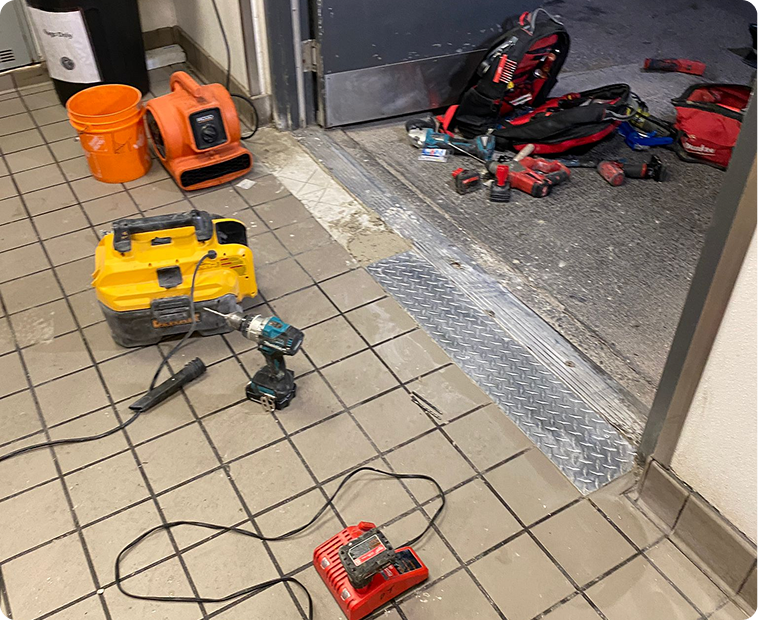
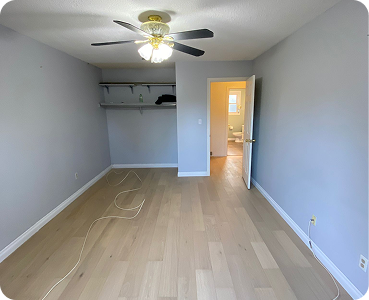
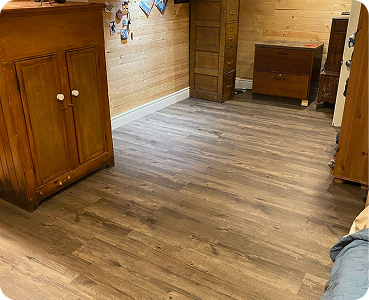
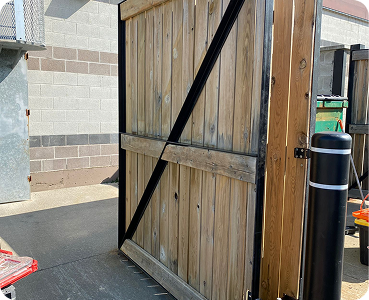
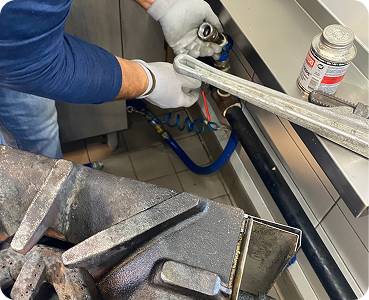
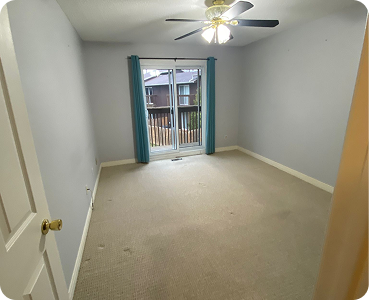
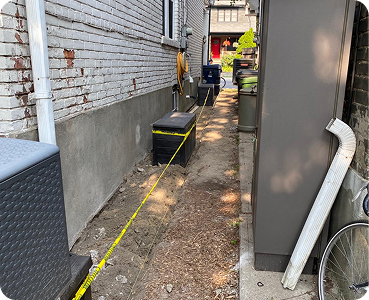
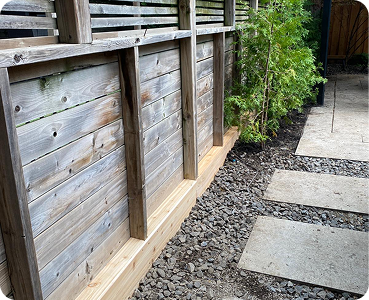
Ready to work together?
We would be happy to hear from you if you have a project in mind and are seeking a reliable construction partner for the project.

What Our Clients Are Saying


Had kitchen tiles installed by Toronto Handyman. Denys made sure every detail was perfect.
Jasmine Dixon
Toronto
Denys tiled our bathroom, and the work was flawless. Tight grout lines, perfect leveling — it feels like a luxury spa now. The service isn’t the cheapest, but the craftsmanship speaks for itself.
Hal Baldwin
Toronto
We needed repairs on our deck and fence. Denys from Toronto Handyman did a solid job, making everything sturdy and refreshed.
Tommy Greenwood
Toronto
Had kitchen tiles installed by Toronto Handyman. Denys made sure every detail was perfect.
Jasmine Dixon
Toronto
Denys tiled our bathroom, and the work was flawless. Tight grout lines, perfect leveling — it feels like a luxury spa now. The service isn’t the cheapest, but the craftsmanship speaks for itself.
Hal Baldwin
Toronto
We needed repairs on our deck and fence. Denys from Toronto Handyman did a solid job, making everything sturdy and refreshed.
Tommy Greenwood
Toronto
Service Areas
We offer services across the Greater Toronto Area, including:
Get in Touch
Get an Estimate
Contact us today for a free estimate on your project
Info@thandymanservices.ca
Address
224 Millwood Rd, Toronto, Canada
Opening Hours
09:00–17:00
Telephone
(647) 326-9185