



 Floor Tiling
 Kitchen & Backsplash
 Shower & Wet Areas
 Lighting & Fixtures
 Devices & Upgrades
 Specialty Electrical
 Air Conditioning
 Water Heaters
 Climate Control
Seasonal Maintenance & Filter Changes Toronto
Seasonal maintenance and filter changes help an air conditioning system run more efficiently, cool more reliably, and stay cleaner during peak-use months. Natural Resources Canada says the best time to service a central air conditioner is just prior to the cooling season, and both NRCan and ENERGY STAR recommend regular cleaning, servicing, and filter attention to keep heating and cooling systems operating efficiently. A stronger page should not just say “book a tune-up.” It should explain the difference between homeowner upkeep and professional seasonal maintenance. The U.S. Department of Energy says regularly replacing or cleaning filters is crucial because dirty filters reduce airflow and efficiency, allow dirt to reach the evaporator coil, and can contribute to premature system failure. DOE also says that if you are unsure, clean or replace filters every month or two during the cooling season, with more frequent checks in dusty conditions or homes with pets.

What seasonal maintenance and filter changes include

This service can include filter inspection and replacement, condenser-coil and evaporator-coil checks, condensate-drain cleaning, control testing, electrical-connection review, airflow checks, outdoor-unit cleaning, thermostat review, and a general seasonal condition assessment. Toronto maintenance competitors repeatedly frame tune-ups around these same service items, especially coil cleaning, drain-line cleaning, tightening electrical connections, system-control checks, and filter replacement.
A strongerpage should also explain that not everymaintenance visit is the same.Some homes mainly need a seasonal inspection and a straightforward filter change. Others need more attention because the filter gets dirty quickly, the condenser is blocked by debris, the condensate drain is prone to clogs, or the system is showing early warning signs before summer demand peaks. Competitor pages in Toronto already hint at this by pairing maintenance with reliability, efficiency, and early-problem detection.
Why seasonal maintenance matters before summer
The best time to service a central air conditioner is just before the cooling season starts, according to NRCan. That timing matters because it gives the system a chance to be checked, cleaned, and corrected before it is working hard in hot, humid weather. Toronto competitor pages mirror that seasonal pattern by promoting spring tune-ups for cooling systems and fall tune-ups for heating systems.
A better page should also explain the practical value of early maintenance. Toronto maintenance pages repeatedly sell tune-ups as a way to catch smaller issues before they become breakdowns on the hottest day of the year, and DOE guidance supports that approach by separating routine upkeep from the point where a professional should diagnose deeper cooling problems.
Why filter changes matter so much
Filter changes are one of the most important parts of routine HVAC care because airflow affects both comfort and system stress. DOE says dirty, clogged filters reduce airflow and efficiency, allow dirt to accumulate on the evaporator coil, and can reduce heat-absorbing capacity. ENERGY STAR also says a dirty filter makes the system work harder, wastes energy, and can lead to expensive maintenance or early failure.
This is one of the biggest explanation gaps on weak local pages. Many competitors tell homeowners to replace the filter, but fewer explain that the filter is tied directly to efficiency, indoor airflow, and protecting the system from dirt buildup. A stronger page wins by making that connection clear before the quote request.
How often filters should be checked or changed
Filter intervals depend on the filter type, how heavily the system runs, and the home environment. DOE says that if you are unsure, you should cleanor replace filtersevery month or two during the cooling season, and more often if the system is in constantuse, the home is dusty, or there are pets. ENERGY STAR says to check the filter every month and, at a minimum, change it every three months, or sooner if it looks dirty.
That means a stronger page should avoid a one-size-fits-all promise. In some homes, a filter lasts close to three months. In others, especially with pets, allergies, renovations, or heavy summer use, it needs more frequent attention. Toronto competitors also acknowledge this difference by recommending more frequent replacement in homes with pets or allergy concerns.
What homeowners can do between tune-ups
A better service page should make room for simple homeowner upkeep. DOE says homeowners can keep the area around the outdoor condenser clean, remove debris, and trim foliage back at least two feet to maintain airflow. DOE also says condensate drain channels should be cleared periodically to prevent clogs and possible overflow or water damage. ENERGY STAR likewise recommends monthly filter checks and condensate-drain inspection as part of routine upkeep.
This matters because seasonal maintenance works best when the homeowner and the service visit are doing different parts of the job. The homeowner handles basic visibility items like filters and obvious debris. The professional visit handles the deeper inspection, cleaning, and performance checks that are harder to do safely or correctly without HVAC training.
What professional seasonal maintenance should cover
A real maintenance visit should go further than swapping a filter. DOE says a well-trained technician should check refrigerant charge, test for leaks, measure airflow across the evaporator coil, verify the electric control sequence, inspect and tighten electrical connections, and check other operating components. Toronto maintenance competitors also describe tune-ups around condenser and compressor checks, amperage and voltage checks, refrigerant-leak checks,drainage review, coil-fininspection, condensate-drain cleaning, and thermostat or control calibration.
That is one of the strongest ways this page can outperform weaker local pages. Instead of promising “seasonal maintenance,” it explains what that visit should actually include and why those checks affect comfort, reliability, and operating cost over the summer.
Why coil and drain maintenance matter
Coils and drains are two of the most overlooked maintenance points. DOE says the evaporator coil can still collect dirt over time even with a clean filter, and that professional maintenance should includecoil inspection and cleaning as needed. DOE also says outdoor condensercoils can become very dirty and that clogged condensate drains can reduce the system’s ability to remove water or cause overflow and water damage.
Toronto competitors already use these points in their tune-up pages because they are easy for homeowners to understand: dirty coils reduce airflow and heat transfer, and blocked drains can lead to leaks or shutdowns. A stronger page wins by connecting those visible maintenance items to the overall performance of the AC system.
When to use a qualified HVAC contractor
If the system needs more than routine upkeep, DOE says to hire a professional technician, especially when the unit is not coolingproperly or needs diagnosis beyond regular maintenance. HRAI also provides a consumer resource to find qualified furnace and air conditioning contractors in Canada, which supports using trained HVAC professionals for seasonal service and repairs.
This matters for your page positioning. A strong version of this page should frame Toronto Handyman Services around organized seasonal upkeep, filter changes, and professional maintenance coordination, with qualified HVAC professionals handling deeper service work where required. That keeps the page helpful and conversion-friendly without slipping into vague “any HVAC issue” wording.
What changes the scope of a seasonal maintenance visit
Not every maintenance call is equal. The scope becomes more involved when filters clog quickly, coils are dirty, the condensate drain has a history of blockage, the system is not cooling properly, the outdoor unit is obstructed, or the technician finds electrical, airflow, or refrigerant-related concerns. Toronto competitor pages repeatedly connect maintenance visits with early-problem detection and recommendations for repair before a full breakdown happens.
That is where a stronger page outperforms generic local copy. Instead of treating every appointment as a quick tune-up, it explains why one visit stays in the routine-maintenance category and another becomes a maintenance-plus-diagnostic conversation.
Our seasonal maintenance and filter-change process
Cooling-system review
We review the system, the age and condition of the equipment, the homeowner’s cooling concerns, and the current maintenance history. Toronto competitor pages typically begin with this kind of assessment because it helps separate routine upkeep from deeper service needs.
Filter inspection and replacement
We inspect the filter condition and replace or clean it as appropriate for the system. DOE and ENERGY STAR both identify filter care as one of the most important recurring maintenance tasks because it directly affects airflow, efficiency, and equipment protection.
Coil, drain, and outdoor-unit checks
We review key maintenance points such as coils, condensate drainage, and outdoor-unit cleanliness. DOE guidance and Toronto competitor tune-up pages both show that these are core parts of real seasonal AC care.
Operational and safety checks
We review system controls, connections, and general operation so the AC starts, runs, and shuts down properly. ENERGY STAR and DOE both identify control checks and system-operation review as part of maintenance best practice.
Findings and next-step advice
If the system appears to need more than routine maintenance, we explain the next step clearly so the homeowner knows whether the issue is still minor or now needs qualified HVAC repair. Toronto competitors often use this part of the visit to flag parts, wear, or efficiency issues before they become breakdowns.
Where this service adds the most value
Seasonal maintenance and filter changes add the most value in homes with older air conditioning systems, heavy summer usage, pets, dusty conditions, allergy concerns, recurring drain issues, or inconsistent cooling performance. DOE explicitly notes that homes with constant AC use, dusty conditions, or pets may need more frequent filter attention.
It is also especially valuable before the cooling season starts, because NRC an says that is the best time to service a central air conditioner. That timing helps homeowners reduce the risk of entering summer with a dirty, restricted, or poorly performing system.
What the best Toronto competitor pages get right, and where they stop short
The better Toronto/GTA pages do a good job selling spring tune-ups, filter changes, coil cleaning, drain cleaning, electrical checks, and breakdown prevention. Those are strong conversion points because they match what homeowners are actually worried about at the start of summer.
Where many pages still stop short is the explanation layer. Fewer pages clearly explain the difference between homeowner filter upkeep and professional maintenance, how often filters should really be checked, or why dirty filters and coils affect efficiency and system life. A stronger page wins by turning those hidden details into useful buying guidance.
Why choose Toronto Handyman Services for seasonal maintenance and filter changes in Toronto
This page should position Toronto Handyman Services around organized seasonal upkeep, timely filter replacement, and professional maintenance coordination. The strongest versionis one that shows homeowners exactly what this service covers,what they should check between visits, and when a qualified HVAC contractor should step in for deeper service. HRAI’s consumer resource supports that qualified-contractor pathway for furnace and air conditioning work in Canada.
Add your real trustsignals before publishing:
- Detailed written quotes
- Seasonal AC tune-upsbefore summer
- Filter replacement and airflow care
- Coil, drain, and outdoor-unit checks
- Toronto service coverage
- Workmanship warranty
- Before-and-after maintenance examples
- Clear next-step advice when deeper HVAC service is needed
Frequently asked questions
When should I schedule seasonal AC maintenance?
NRC an says the best time to service a central air conditioner is just prior to the cooling season.
How often should I check or change my HVAC filter?
DOE says to clean or replace filters every month or two during the cooling season if you are unsure, while ENERGY STAR says to check the filter every month and change it at least every three months, or sooner if it is dirty.
Why does a dirty filter matter so much?
DOE says dirty filters reduce airflow and efficiency, allow dirt to reach the evaporator coil, and can contribute to premature equipment failure.
What should a professional maintenance visit include?
DOE says a trained technician should check refrigerant charge, look for leaks, measure airflow across the evaporator coil, verify electric controls, and inspect and tighten electrical connections. Toronto competitors also commonly include coil cleaning, drain cleaning, and system-control checks.
What can I do myself between tune-ups?
DOE says homeowners can check filters regularly, keep the outdoor unit clear of debris with at least two feet of clearance, and clear condensate-drain channels periodically.
CTA
Planning cooling-season upkeep in Toronto? Position Toronto Handyman Services around seasonal AC maintenance and filter changes that improve airflow, support efficiency, and help catch small problems before summer demand exposes them.
Table Of Content
- What seasonal maintenance and filter changes include
- Why seasonal maintenance matters before summer
- Why filter changes matter so much
- How often filters should be checked or changed
- What homeowners can do between tune-ups
- What professional seasonal maintenance should cover
- Why coil and drain maintenance matter
- When to use a qualified HVAC contractor
- What changes the scope of a seasonal maintenance visit
- Our seasonal maintenance and filter-change process
- Where this service adds the most value
- What the best Toronto competitor pages get right, and where they stop short
- Why choose Toronto Handyman Services for seasonal maintenance and filter changes in Toronto
- Frequently asked questions
- CTA
Complete Handyman Guide for Homeowners
A handyman helps homeowners with small repairs, home maintenance, minor installations, safety fixes, and odd jobs around the property. These tasks may not need a full contractor, but they still need the right tools, skill, and care.
This handyman guide explains what a handyman does, when to call one, which jobs need licensed trades and how to plan small home repairs in a safe and simple way. It is useful for homeowners, condo owners, landlords, tenants, seniors, and property managers who want clear home repair help without confusion.
What Is a Handyman?
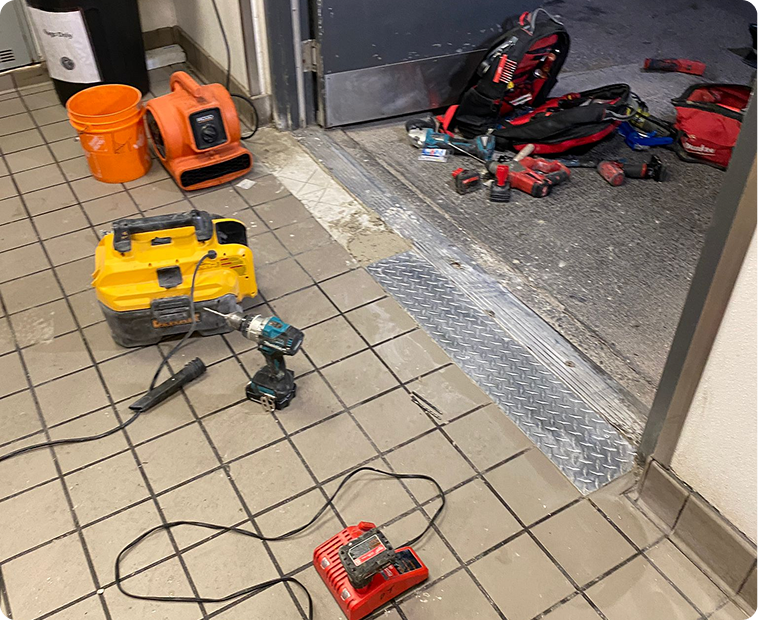
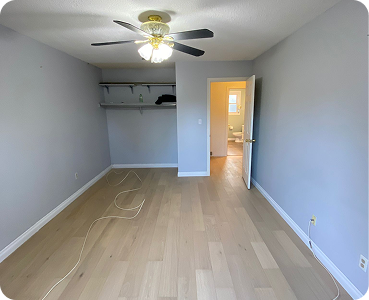
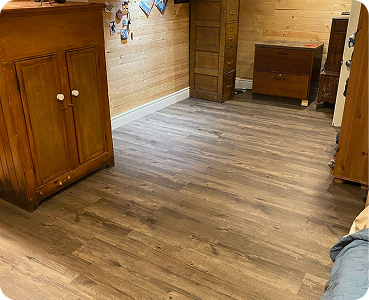
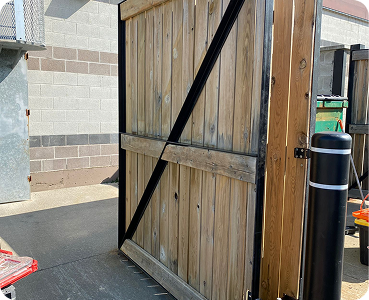
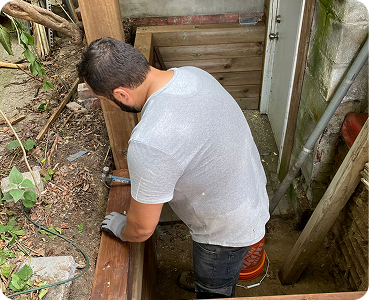
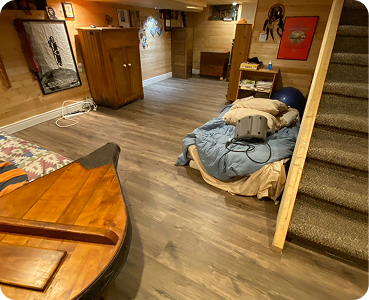
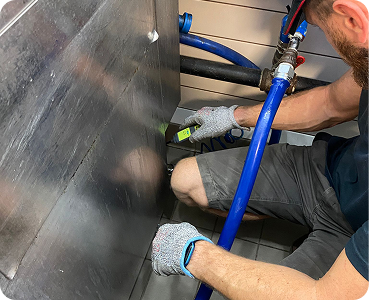
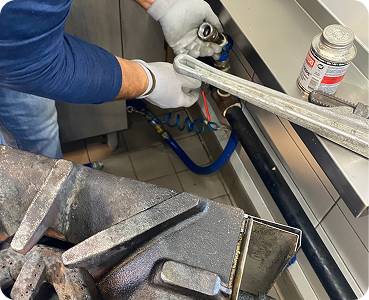
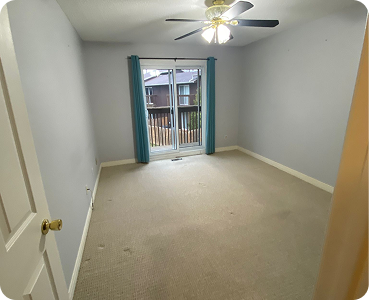
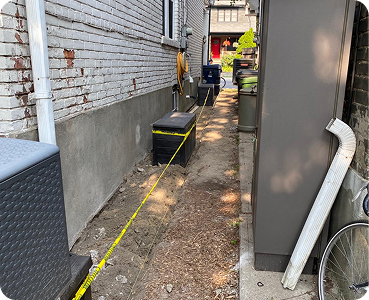
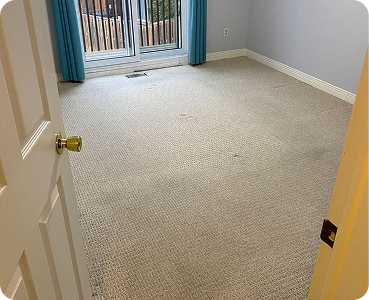
Gallery of Work in Toronto Handyman


Ready to work together?
We would be happy to hear from you if you have a project in mind and are seeking a reliable construction partner for the project.

What Our Clients Are Saying


Had kitchen tiles installed by Toronto Handyman. Denys made sure every detail was perfect.
Jasmine Dixon
Toronto
Denys tiled our bathroom, and the work was flawless. Tight grout lines, perfect leveling — it feels like a luxury spa now. The service isn’t the cheapest, but the craftsmanship speaks for itself.
Hal Baldwin
Toronto
We needed repairs on our deck and fence. Denys from Toronto Handyman did a solid job, making everything sturdy and refreshed.
Tommy Greenwood
Toronto
Had kitchen tiles installed by Toronto Handyman. Denys made sure every detail was perfect.
Jasmine Dixon
Toronto
Denys tiled our bathroom, and the work was flawless. Tight grout lines, perfect leveling — it feels like a luxury spa now. The service isn’t the cheapest, but the craftsmanship speaks for itself.
Hal Baldwin
Toronto
We needed repairs on our deck and fence. Denys from Toronto Handyman did a solid job, making everything sturdy and refreshed.
Tommy Greenwood
Toronto
Service Areas
We offer services across the Greater Toronto Area, including:
Get in Touch
Get an Estimate
Contact us today for a free estimate on your project
Info@thandymanservices.ca
Address
224 Millwood Rd, Toronto, Canada
Opening Hours
09:00–17:00
Telephone
(647) 326-9185