


 Floor Tiling
 Kitchen & Backsplash
 Shower & Wet Areas
 Lighting & Fixtures
 Devices & Upgrades
 Specialty Electrical
 Air Conditioning
 Water Heaters
 Climate Control
System Troubleshooting Toronto
System troubleshooting is the step that separates a symptom from the real fault behind it. DOE’s guidance on common air conditioner problems lists overlapping root causes such as dirty filters and coils, refrigerant leaks, electric control failure, sensor problems, and drainage problems, while Trane’s troubleshooting pages connect similar symptoms to thermostat issues, clogged filters, blocked condenser coils, motor failure, and drain-line clogs. In other words, “not cooling” or “not heating” is not a diagnosis by itself. That is why the strongest version of this page should position Toronto Handyman Services around finding the real cause before recommending repair or replacement. Toronto competitors already frame their best repair pages around full inspection, diagnostic testing, thermostat checks, airflow checks, and problem-specific repair options, which shows that the local market expects troubleshooting to be more than guesswork.
What system troubleshooting includes

System troubleshooting can include reviewing thermostat response, filter condition, airflow restrictions, coil condition, condensate drainage, control operation, visible electrical issues, refrigerant-related clues, and how the system starts, runs, cycles, and shuts down. DOE’s maintenance and fault pages describe these as core problem areas, while Toronto competitors frame diagnostics around checking thermostats, filters, refrigerant levels, electrical components, drains, motors, and overall system performance.
A stronger page should also explain that troubleshooting is not automatically the same as repair. Sometimes the problem is a maintenance issue such as a dirty filter or blocked condenser area. Other times it points to a deeper fault such as low refrigerant, control failure, motor problems, or an oversized or mismatched system causing poor cycling and comfort. Toronto competitors regularly separate diagnosis, repair, and replacement recommendations for exactly that reason.
Common problems this page should target
No heat or no cooling
Toronto competitors repeatedly position “no heat” and “no cooling” as the main high-intent troubleshooting terms. Atlas Care ties them to faulty thermostats, clogged filters, and failing compressors, while DOE and Trane show that problems such as low refrigerant, dirty coils, and control failures can produce the same symptom. That makes diagnosis the starting point, not the conclusion.
Weak airflow
Weak air flow is one of the clearest signs that the system is not moving air the way it should. Toronto competitors connect weak airflow to clogged filters, blocked vents, and failing motors, while DOE says dirty filters reduce airflow and system efficiency and allow dirt to accumulate where it should not. A stronger page should therefore treat airflow as a major diagnostic category, not a minor side symptom.
Short cycling
Short cycling matters because it increases wear and makes comfort less stable. Toronto competitors connect short cycling to dirty filters, faulty thermostats, refrigerant imbalance, compressor issues, and mismatched system size, while Trane notes that wrong sizing can keep a system from controlling temperature properly. That makes short cycling a strong troubleshooting topic for both repair pages and comfort-performance pages.
Thermostat and control issues
Thermostat faults often look like system faults. Trane says checking whether the thermostat is communicating with the HVAC system is a good first step, and it points to causes such as dead batteries, bad wiring, poor placement, and failing thermostats. Toronto competitors also list thermostat malfunction as a direct cause of inconsistent cooling, short cycling, and system failure.
Water leaks and moisture problems
Water around the HVAC system is not just a mess issue. DOE says clogged condensate drains can reduce the system’s ability to remove condensed water and may cause overflow or water damage, while Toronto competitors link AC leaks to clogged drains, frozen coils, and cracked drain pans. That makes moisture one of the most useful troubleshooting topics on the page because it often signals a broader airflow or maintenance problem.
Strange noises, odours, and rising energy bills
Toronto competitors consistently use noises, odours, and high utility bills as warning-sign topics. Atlas Care ties strange noises to loose parts or motor failure and burning or musty smells to dust buildup or overheating, while local AC-repair pages connect high bills to dirty coils, duct leaks, and aging components. A stronger troubleshooting page should treat these as system-diagnosis entry points, not just vague warning labels.
Why diagnosis matters before repair or replacement
A strong troubleshooting page should explain that one symptom can point to several different root causes. DOE’s common-problems page shows that similar complaints can come from maintenance neglect, control issues, sensor issues, refrigerant leaks, or drainage problems, and Toronto competitors also position diagnostics as the step that prevents unnecessary repairs by pinpointing the actual fault first.
This matters for conversion because homeowners are not only buying a repair. They are buying clarity. Toronto competitors that do this well emphasize full inspection, advanced diagnostic testing, and not quoting the final repair before examining the equipment, because that feels more credible than guessing from the symptom alone.
What homeowners may safely check before booking
A better page can include a limited, safe pre-check section. Trane says homeowners can start by checking whether the thermostat is on, whether the display is blank because of batteries, whether the thermostat is set correctly, and whether the air filter is dirty. DOE also supports routine filter care and keeping the outdoor condenser area free of debris with adequate airflow around it.
The page should also draw a clear line on what not to push. Trane says that if the breaker is tripped and the issue appears to be tied to the HVAC system, contacting a service provider is the safer path because turning it back on without resolving the cause can lead to damage. DOE likewise reserves refrigerant work and deeper electrical checks for trained technicians.
When contractor pathway and Ontario compliance matter
For general heating and cooling diagnosis, HRAI says consumers should use qualified furnace and air conditioning contractors and notes that member contractors maintain insurance, valid trade certificates, and licences. That makes HRAI-style qualified contractor positioning useful for a Toronto troubleshooting page.
For fuels-related troubleshooting, the wording needs to be tighter. TSSA says Registered Fuels Contractors are the only businesses legally authorized to do fuels-related work in Ontario. That means if the troubleshooting call extends into fuel-burning equipment, gas connections, or other fuels-regulated work, the page should make clear that the service is handled through the proper TSSA-registered contractor pathway.
Our system troubleshooting process
Symptom review
We start with the actual complaint: not cooling, not heating, poor airflow, shortcy cling, leaking, noise, odour, or control issues. Toronto competitor pages repeatedly lead with symptom-based service because that is how homeowners search and describe the problem.
Control and airflow checks
We review thermostat response, filter condition, visible airflow restrictions, and basic operating behavior before moving deeper. DOE and Trane both identify these as high-value first checks because they often reveal whether the issue is control-related, maintenance-related, or something more technical.
System-condition diagnosis
We then assess likely fault areas such as coils, drains, electrical controls, refrigerant clues, and equipment response under operation. Toronto competitors frame this stage as advanced diagnostics, while DOE’s common-problem guidance supports those same fault categories.
Root-cause explanation
Instead of stopping at the symptom, we explain what is actually driving it and whether the right next step is maintenance, repair, or a replacement discussion. Toronto competitor pages that convert well usually present diagnosis as the step that leads to clearer repair decisions and more accurate pricing.
Clear next steps
If the problem points to deeper HVAC service, we advise the proper next action through the right qualified contractor pathway. HRAI’s consumer guidance supports the use of qualified contractors for furnace and air conditioning work, and TSSA’s registry matters where fuels-related work is involved.
Where this service adds the most value
System troubleshooting adds the most value in homes where the HVAC system is not cooling, not heating, cycling too often, leaking water, using more energy than usual, or showing new control and airflow problems. Those are the exact symptom clusters repeated across the Toronto competitor set, which is why they should sit at the center of the page.
It is especially valuable before a homeowner jumps straight to a replacement decision, because DOE’s fault guidance shows that common complaints can come from issues as simple as filters and drains or as serious as refrigerant and control failures. A troubleshooting page wins when it helps the customer understand that difference.
What the best Toronto competitor pages get right, and where they stop short
The better Toronto/GTA pages do a good job targeting the exact symptoms that drive service calls: no cooling, no heat, weak airflow, short cycling, thermostat faults, leaks, and unusual sounds. They also do a solid job selling inspection and diagnostic testing instead of vague promises.
Where many of them still stop short is the explanation layer. Fewer pages clearly explain why dirty filters, bad thermostat communication, drainage issues, coil fouling, refrigerant faults, and sizing problems can produce overlapping symptoms. A stronger page wins by translating those hidden causes into clear homeowner-facing buying guidance.
Why choose Toronto Handyman Services for system troubleshooting in Toronto
This page should position Toronto Handyman Services around diagnosis-first service, symptom-based problem-solving, and clearnext-step guidance. The strongest version is one that shows the homeowner how the symptom will be assessed, what can be safely ruled out first, and when the job should move to a qualified HVAC or TSSA-registered contractor pathway.
Add your real trust signals before publishing:
Detailed written quotes, symptom-based diagnostic visits, clear findings before repair recommendations, Toronto service coverage, workmanship warranty, and before-and-after problem-resolution examples. Those trust elements appear repeatedly across Toronto repair pages because they reduce uncertainty at the point of enquiry.
Frequently asked questions
Why is my HVAC system running but not reaching the set temperature?
DOE and Trane both show that this can come from several causes, including dirty filters, blocked condenser coils, thermostat setting problems, refrigerant leaks, or wrong system sizing. That is why troubleshooting has to confirm the root cause before repair is recommended.
Can a dirty filter really cause major HVAC problems?
Yes. DOE says dirty, clogged filters reduce airflow and efficiency, allow dirt to buildup on the evaporator coil, and can contribute to premature equipment failure. Toronto competitors also connect dirty filters directly to weak airflow and short cycling.
Should I keep resetting the breaker if the system won’t start?
No. Trane says if the HVAC breaker is tripped, contacting an HVAC service provider is the safer move because the underlying heating or cooling problem may cause damage if the system is turned back on again without diagnosis.
When should I call a professional instead of trying to troubleshoot more myself?
DOE reserves refrigerant work and deeper electrical checks for trained technicians, and HRAI says consumers should use qualified furnace and air conditioning contractors. Once the issue moves beyond thermostat settings, batteries, filter condition, or visible debris, the page should push toward professional diagnosis.
Who should handle troubleshooting on fuel-burning HVAC equipment in Ontario?
TSSA says Registered Fuels Contractors are the only businesses legally authorized to do fuels-related work in Ontario.
CTA
Need clearer answers before you commit to an HVAC repair in Toronto? Position Toronto Handyman Services around system troubleshooting that identifies the real fault first, with qualified HVAC support and the proper TSSA-registered contractor pathway where fuels-related work is involved.
Table Of Content
- What system troubleshooting includes
- Common problems this page should target
- Why diagnosis matters before repair or replacement
- What homeowners may safely check before booking
- When contractor pathway and Ontario compliance matter
- Our system troubleshooting process
- Where this service adds the most value
- What the best Toronto competitor pages get right, and where they stop short
- Why choose Toronto Handyman Services for system troubleshooting in Toronto
- Frequently asked questions
- CTA
Complete Handyman Guide for Homeowners
A handyman helps homeowners with small repairs, home maintenance, minor installations, safety fixes, and odd jobs around the property. These tasks may not need a full contractor, but they still need the right tools, skill, and care.
This handyman guide explains what a handyman does, when to call one, which jobs need licensed trades and how to plan small home repairs in a safe and simple way. It is useful for homeowners, condo owners, landlords, tenants, seniors, and property managers who want clear home repair help without confusion.
What Is a Handyman?
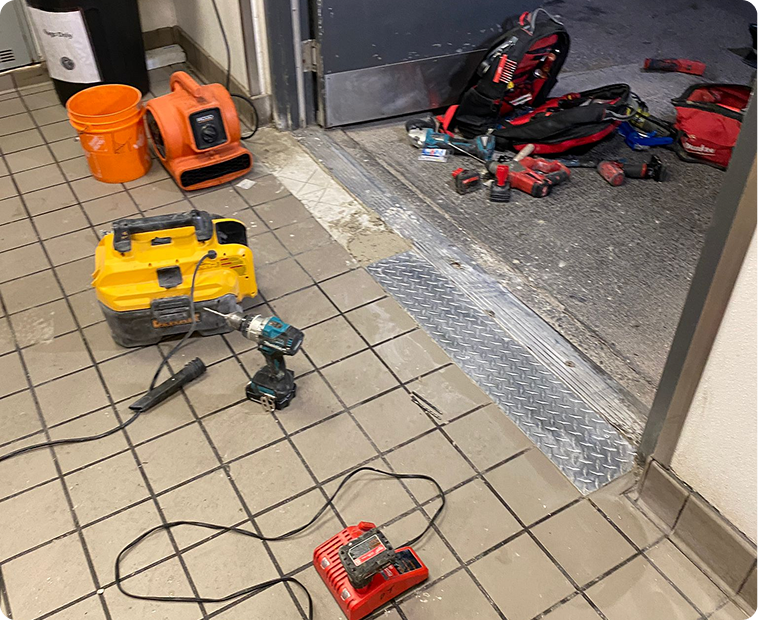
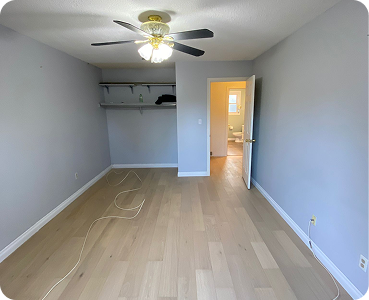
Gallery of Work in Toronto Handyman
Ready to work together?
We would be happy to hear from you if you have a project in mind and are seeking a reliable construction partner for the project.

What Our Clients Are Saying


Had kitchen tiles installed by Toronto Handyman. Denys made sure every detail was perfect.
Jasmine Dixon
Toronto
Denys tiled our bathroom, and the work was flawless. Tight grout lines, perfect leveling — it feels like a luxury spa now. The service isn’t the cheapest, but the craftsmanship speaks for itself.
Hal Baldwin
Toronto
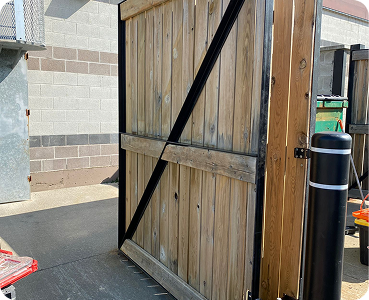
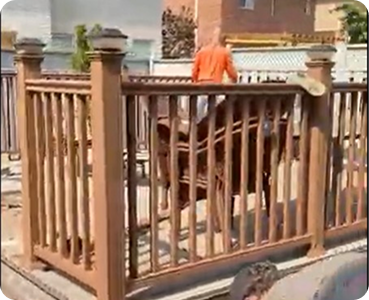
We needed repairs on our deck and fence. Denys from Toronto Handyman did a solid job, making everything sturdy and refreshed.
Tommy Greenwood
Toronto
Had kitchen tiles installed by Toronto Handyman. Denys made sure every detail was perfect.
Jasmine Dixon
Toronto
Denys tiled our bathroom, and the work was flawless. Tight grout lines, perfect leveling — it feels like a luxury spa now. The service isn’t the cheapest, but the craftsmanship speaks for itself.
Hal Baldwin
Toronto
We needed repairs on our deck and fence. Denys from Toronto Handyman did a solid job, making everything sturdy and refreshed.
Tommy Greenwood
Toronto
Service Areas
We offer services across the Greater Toronto Area, including:
Get in Touch
Get an Estimate
Contact us today for a free estimate on your project
Info@thandymanservices.ca
Address
224 Millwood Rd, Toronto, Canada
Opening Hours
09:00–17:00
Telephone
(647) 326-9185