



 Floor Tiling
 Kitchen & Backsplash
 Shower & Wet Areas
 Lighting & Fixtures
 Devices & Upgrades
 Specialty Electrical
 Air Conditioning
 Water Heaters
 Climate Control
Natural Stone Tile Installation Toronto
Natural stone tile brings depth, texture, and character that manufactured materials cannot fully copy. Every marble, granite, travertine, slate, and limestone tile has its own movement, tone, and surface detail, which gives the finished room a more custom, high-end look. At Toronto Handyman Services, we install natural stone tile for floors, bathrooms, showers, kitchen backsplashes, fireplaces, entryways, and feature walls with careful planning, accurate cuts, and clean finishing. We focus on the parts that decide how the finished surface looks and performs over time: layout, substrate preparation, waterproofing where required, grout lines, edge detailing, and sealing where the stone calls for it. Competitor pages across Toronto repeatedly emphasize the value of craftsmanship, room-specific installation, and stone-type expertise, and that is exactly where this page is built to outperform.

What natural stone tile installation includes

We install natural stone tile in the spaces where people want both visual impact and long-term performance. That includes stone tile floors in kitchens, bathrooms, foyers, laundry rooms, and living areas; stone walls and feature walls; fireplace surrounds; backsplashes; and shower or wet-area installations built with proper preparation and drainage planning. Toronto competitors frequently cluster their stone services around these same application zones because they reflect real purchase intent and real renovation demand.
Our service can include removal of existing finishes, subfloor or wall preparation, levelling, waterproofing membranes in wet areas,layout planning, precision cutting around corner sand
fixtures, setting, grouting, sealing where suitable, caulking at change-of-plane joints, and final cleanup. Competitor pages that perform well in Toronto consistently mention prep, waterproofing, levelling, regrouting, sealing, and full start-to-finish delivery rather than “tile laying” alone. TCNA also states that tile and stone methodsdepend on a properly designedand prepared substructure and include guidance for wet areas, substrate flatness, grout joints, and workmanship standards.
Stone types we install
Marble tile installation
Marble is chosen for its veining, soft visual movement, and refined finish. It works well in bathrooms, entryways, fireplace surrounds, statement floors,and elegant feature walls. It gives a room a more premium architectural look, but it also needs the right setting materials, careful handling, and realistic care expectations. Toronto competitors regularly position marble as a luxury natural-stone option for bathrooms, foyers, and focal-point areas.
Granite tile installation
Granite has a denser feel and a more durable reputation, which makes it a strong choice for floors, kitchens, and high-traffic areas. It suits homeowners who want natural stone but prefer a harder-wearing surface profile and a more structured pattern. Competitor pages repeatedly use granite as a durability-led comparison point inside natural stone and tile flooring services.
Travertine tile installation
Travertine adds warmth and texture. It is often selected for spa-style bathrooms, feature floors, and classic interiors where a softer, more organic feel matters more than a polished, formal finish. Because travertine is porous, installation details and maintenance planning matter more. Toronto competitors commonly mentiontravertine as part of the natural-stone mix, especially for bathrooms and decorative floors.
Slate tile installation
Slate gives more texture and visual contrast, making it a practical fit for mudrooms, entryways, some bathrooms, and selected floor applications where a more natural, less polished look suits the space. It can work especially well when slip resistance and texture are part of the decision. Competitor pages repeatedly include slate inside their natural-stone material lists for flooring and wet-area work.
Limestone tile installation
Limestone has a softer, more understated appearance than many other stone options. It is often selected for calm, neutral interiors where subtle movement and a clean palette matter more than dramatic veining. Like other natural stones, it needs installation methods and aftercare that match the material. Competitor pages frequently include limestone alongside marble, granite, travertine, and slate when defining natural-stone capability.
Where natural stone tile works best
Natural stone tile works especially well in entryways, foyers, bathrooms, powder rooms, shower surrounds, kitchen backsplashes, fireplace surrounds, and feature walls. On floors, it gives the room a more permanent, architectural finish. On walls, it can add depth and texture without relying on colour alone. Toronto competitors repeatedly build their service pages around these room-based use cases because customers usually search by both material and room.
For showers and wet areas, material selection and finish matter. Wet areas also need correct waterproofing, positive drainage, and a layout that works with the drain location and slope.
TCNA’s handbook includes dedicated wet-area guidance, and CMHC’s bathroom guidance stresses positive drainage in shower areas and layouts that support safe movement and practical use.
Why natural stone needs a specialist installer
Natural stoneis not a “just lay it fast”material. Each tile can vary in shade,veining, movement, edge detail, and sometimes thickness. That means the finished result depends on dry layout planning, pattern balancing, accurate cuts, and transitions that look intentional rather than random. One Toronto competitor explicitly calls out the need to arrange stone thoughtfully because of its natural variation, and many others stress precision, craftsmanship, and custom layouts for exactly the same reason.
Stone installations also place more pressure on prep quality.TCNA says stoneand tile methods require a properly designed and prepared substructure and address flatness, grout joints, and workmanship standards. That matters in Toronto homes where older floors, renovation layers, and uneven substrates can compromise the final result if prep is skipped.
Our natural stone tile installation process
Site visit and planning
We inspect the room, measure the space, review the substrate, and discuss the finish you want. We also help you decide whether the room is better suited to polished, honed, textured, or more slip-conscious finishes, depending on the use of the space. Competitor pages that convert well usually start with consultation, site visit, or design help rather than labour-only messaging.
Stone selection and layout strategy
We help you choose the right stone for the room, the traffic level, the moisture conditions, and the look you want. We then plan the layout to manage natural variation across the room so the veining, movement, and colour shifts feel balanced. The
“one-of-a-kind” nature of stone is a repeated selling point across competitor pages, but it only works visually when layout is handled properly.
Surface preparation
We prepare the wall or floor by checking condition, level, and suitability. This can include surface correction, levelling, underlayment work, and crack or moisture-related prep depending on the area. Competing Toronto pages repeatedly highlight surface preparation, floor levelling, and subfloor prep because they directly affect how long the installation lasts.
Waterproofing where required
Bathrooms, showers, and other wet areas need more than attractive tile. They need a water-management approach behind the surface. Competitors increasingly mention membranes and waterproofing, and industry sources back that up for wet-area performance.
Precision installation
We set each tile with careful alignment, spacing, cuts, and edge finishing. Natural stone benefits from patient installation because the visual standard is higher and the material itself is less forgiving when the layout is poor. Competitor pages commonly emphasize precision placement, seamless finishes, and complex-installation skill as major differentiators.
Grouting, sealing, and finishing
After setting and curing, we grout the installation, finish change-of-plane joints correctly, and seal the stone when the selected material and application call for it. The Natural Stone Institute says that, in many cases, sealing natural stone can make sense and can improve resistance to everyday dirt, spills, and moisture migration, though the exact need depends on the stone.
What makes a better natural stone tile page, and a better stone installation service
A better page does not just say “luxury,” “durable,” and “free quote.” It answers what clients actually need to know before they enquire: which stones suit which rooms, how the layout will handle natural variation, what prep is required, whether water proofing is included, when sealing matters, what maintenance looks like, and how the finished surface will feel under daily use.
That is where this page is deliberately stronger than many competing Toronto pages. The competitor set often covers the materials and service areas well, but the best version of the page wins by adding clearer decision-making help and a more complete installation process.
Why choose Toronto Handyman Services for natural stone tile installation in Toronto
We bringthe job togetherfrom the substrate up, not just from the tile surfacedown. That means better planning, cleaner lines, stronger prep, and a finished installation that looks considered rather than rushed. We can help with floors, walls, bathrooms, kitchens, entryways, fireplaces,
and selected wet areas, and we tailor the method to the stone, the room, and the existing conditions of the property. Toronto competitor pages consistently use trust elements such as local coverage, clearcommunication, free estimates, workmanship promises, warranties, and start-to-finish delivery; this page should keep those conversion signals because they are standard expectations in the market.
Add your real trust signals here before publishing:
- Fully insured
- Clean, respectful job sites
- Detailed written quotes
- Clear scheduling
- Residential and lightcommercial work
- Toronto service coverage
- Workmanship warranty
- Before-and-after project gallery
- Reviews from Toronto clients
Frequently asked questions
Does natural stone tile need sealing?
Often, yes, but it depends on the type of stoneand the application. The Natural StoneInstitute says sealing can make sense in many cases and can improve resistance to dirt, spills, and moisture migration. The right answer depends on the specific stone, finish, and room.
Is natural stone good for bathrooms and showers?
It can be an excellent choice when the right stone and finish are selected and the installation includes correct waterproofing, slope, and drainage planning. Wet-area performance depends on the full assembly, not the visible tile alone.
What is the difference between marble, travertine, slate, granite, and limestone?
They differ in appearance, texture, density, porosity, maintenance needs, and the look they create in a room. Toronto competitors consistently separate these materials because they are not interchangeable in visual effect or upkeep expectations.
How long does natural stone tile installation take?
The timeline depends on room size, pattern complexity, substrate preparation, cutting requirements, waterproofing, and curing time. Competitor guidance for tile work in Toronto commonly ranges from a few days for straightforward projects to longer for more complex work.
Is natural stone tile slippery?
That depends on the stone type and finish. In bathrooms and other wet areas, finish selection matters. CMHC’s bathroom guidance also stresses safety and non-slip thinking in wet environments.
CTA
Planning a natural stone tile project in Toronto? Speak with Toronto Handyman Services for a detailed quote on marble, granite, travertine, slate, or limestone tile installation for floors, walls, showers, backsplashes, fireplaces, and feature areas.
Table Of Content
- What natural stone tile installation includes
- Stone types we install
- Where natural stone tile works best
- Why natural stone needs a specialist installer
- Our natural stone tile installation process
- What makes a better natural stone tile page, and a better stone installation service
- Why choose Toronto Handyman Services for natural stone tile installation in Toronto
- Frequently asked questions
- CTA
Complete Handyman Guide for Homeowners
A handyman helps homeowners with small repairs, home maintenance, minor installations, safety fixes, and odd jobs around the property. These tasks may not need a full contractor, but they still need the right tools, skill, and care.
This handyman guide explains what a handyman does, when to call one, which jobs need licensed trades and how to plan small home repairs in a safe and simple way. It is useful for homeowners, condo owners, landlords, tenants, seniors, and property managers who want clear home repair help without confusion.
What Is a Handyman?
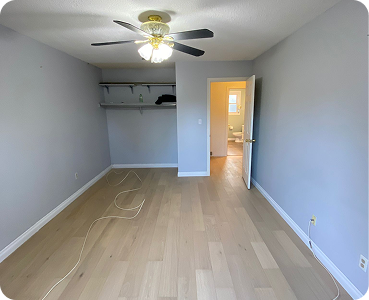
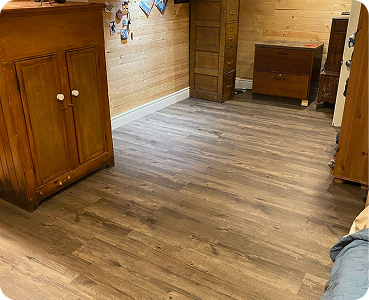
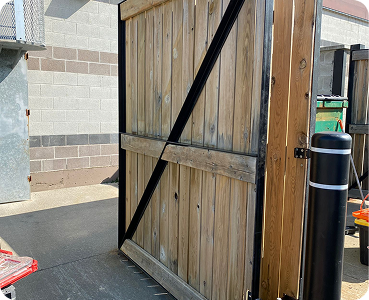
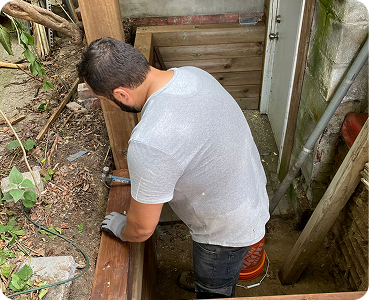
Gallery of Work in Toronto Handyman


Ready to work together?
We would be happy to hear from you if you have a project in mind and are seeking a reliable construction partner for the project.

What Our Clients Are Saying


Had kitchen tiles installed by Toronto Handyman. Denys made sure every detail was perfect.
Jasmine Dixon
Toronto
Denys tiled our bathroom, and the work was flawless. Tight grout lines, perfect leveling — it feels like a luxury spa now. The service isn’t the cheapest, but the craftsmanship speaks for itself.
Hal Baldwin
Toronto
We needed repairs on our deck and fence. Denys from Toronto Handyman did a solid job, making everything sturdy and refreshed.
Tommy Greenwood
Toronto
Had kitchen tiles installed by Toronto Handyman. Denys made sure every detail was perfect.
Jasmine Dixon
Toronto
Denys tiled our bathroom, and the work was flawless. Tight grout lines, perfect leveling — it feels like a luxury spa now. The service isn’t the cheapest, but the craftsmanship speaks for itself.
Hal Baldwin
Toronto
We needed repairs on our deck and fence. Denys from Toronto Handyman did a solid job, making everything sturdy and refreshed.
Tommy Greenwood
Toronto
Service Areas
We offer services across the Greater Toronto Area, including:
Get in Touch
Get an Estimate
Contact us today for a free estimate on your project
Info@thandymanservices.ca
Address
224 Millwood Rd, Toronto, Canada
Opening Hours
09:00–17:00
Telephone
(647) 326-9185