



 Floor Tiling
 Kitchen & Backsplash
 Shower & Wet Areas
 Lighting & Fixtures
 Devices & Upgrades
 Specialty Electrical
 Air Conditioning
 Water Heaters
 Climate Control
Recessed & LED Pot Light Upgrades Toronto
Recessed lighting gives a room a cleaner ceiling line, more even light distribution, and a more modern finish than many older flush-mount or track-light setups. In the Toronto market, pot lights are most often sold for kitchens, basements, living rooms, hallways, bedrooms, and soffits, with local competitors consistently pairing them with LED efficiency, dimming, low-profile design, and clean installation in finished ceilings. For stronger SEO and stronger conversion, this page should not just sell brightness. It should explain why LED recessed lighting is popular, when the existing ceiling or wiring changes the scope, and why insulated ceilings need the right fixture type. ENERGY STAR says residential LEDs use at least 75% less energy than incandescent lighting, and its recessed-light guidance says if insulation will touch the new downlights, the fixtures should be Type IC, while installations below an unconditioned attic should consider Type AT (airtight) models.
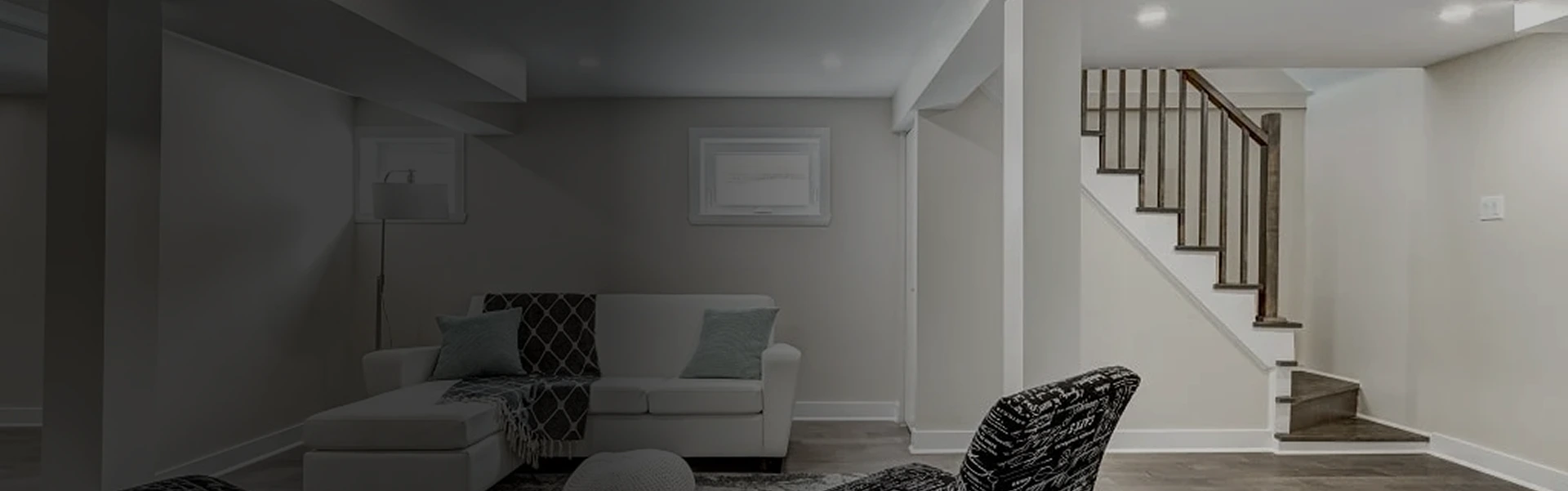
What recessed and LED pot light upgrades include

This servicecan include replacingolder recessed fixtures,adding new LED pot lights,upgrading from older incandescent or halogen-style cans, reviewing the ceiling and wiring conditions, planning the light layout, installing compatible dimmers where needed, and testing the finished circuit. Toronto competitor pages repeatedly package pot-light upgrades around finished ceilings, no-mess installation, LED conversion, kitchen and basement lighting, soffit lighting, and clean modern ceiling design.
A stronger page also needs to explain that not every upgrade is identical. Some projects are close to a fixture replacement. Others involve additional wiring, new switch locations, older electrical conditions, insulated ceilings, multiple light runs, or a room layout that needs better spacing and beam coverage than the old lighting provided. That decision-making layer is mostly missing from weaker local pages.
Why licensed installation matters in Toronto
Because this is electrical work, the service has to be positioned correctly. ESA says only a Licensed Electrical Contractor can legally do hired electrical work in your Ontario home, and it advises homeowners to ask for the contractor’s ECRA/ESA licence number and verify it. ESA also says the LEC can provide a Certificate of Acceptance once the work is complete.
ESA also says that almost all electrical work must be reported by filing a Notification of Work before the job starts, and the person doing the work files it. If the homeowner hires an LEC, the LEC files it. That makes this page suitable only where the recessed-light work is performed by your ESA-licensed electrical contractor or licensed electrical subcontractor.
Why homeowners upgrade to LED pot lights
LED recessed lighting remains popular because it gives a room a simpler, cleaner look while reducing energy use compared with older incandescent lighting. The U.S. Department of Energy says residential LEDs use at least 75% less energy and last up to 25 times longer than incandescent lighting, while ENERGY STAR says recessed downlights offer energy-efficient performance and modern design, and that many downlight kits also offer dimming capabilities.
That lines up with the Toronto competitor pattern. Local pot-light pages repeatedly sell better brightness, modern ceiling appearance, LED efficiency, dimming, and room-by-room lighting upgrades rather than just fixture replacement. In practice, buyers are usually looking for both: a visual upgrade and a more usable lighting layout.
IC-rated and airtight recessed lights: what matters in insulated ceilings
This is one of the most useful detailsmissing from many competitor pages.ENERGY STAR says that if insulation will touch the downlight, the fixture should be Type IC (insulation contact). It also says non-IC fixtures usually require at least 3 inches of clearance from insulation to maintain proper operating temperature.
ENERGY STAR also says that when new downlights are installed below an unconditioned attic, homeowners should consider Type AT (airtight) models to reduceunwanted air leakage between the living space and the attic. This matters because recessed-light upgrades are not only about appearance. In some homes, they also affect thermal performance and air sealing.
What changes the scope of a pot light upgrade
Not every recessed-light job is a simple one-for-one swap. The scope usually becomes more involved when the home has an older wiring layout, limited switching, a finished ceiling that needs careful access,insulated ceiling cavities,a dimmer upgrade,or a larger room that needs a better lighting pattern than the original fixture could provide. Toronto competitors repeatedly frame their value around finished-ceiling installs, no damage, no mess, LED upgrades, dimmers, and full-room lighting design because these are the issues homeowners worry about most.
That is where a stronger page wins. Instead of promising generic “installation,” it should explain that placement, ceiling condition, fixture type, dimming control, and code-compliant electrical work all shape the final result. This is especially important in basements, kitchens, and living areas where recessed lights are often added to improve overall room coverage rather than just replace a single ceiling fixture.
Where recessed and LED pot light upgrades add the most value
In the Toronto market, recessed and LED pot lights are most often tied to kitchens, basements, living rooms, hallways, bedrooms, bathrooms, and exteriors off its. Competitor pages also regularly position them as an upgrade for finished ceilings where homeowners want a more modern look without bulky fixtures hanging into the room.
They also add value where homeowners want layered lighting. Pot lights are commonly paired with dimmers, pendant lights, chandeliers, or under-cabinet lighting so the room can move from bright general lighting to softer evening lighting more easily. Competitor pages frequently bundle recessed-light work with dimmer and lighting-control upgrades for that reason.
Our recessed and LED pot light upgrade process
Room and ceiling assessment
We review the room, the current lighting, the ceiling type, the existing electrical setup, and the goals for brightness and layout. Toronto competitor pages that convert well usually start with assessment because pot lights are as much about placement as they are about installation.
Fixture and control planning
We choose the right recessed-light approach for the room, including the fixture style, LED upgrade path, and whether dimmer control should be part of the project. ENERGY STAR notes that many downlight kits offer dimming capability, which is one reason dimmer planning is a common upgrade path with recessed lighting.
Ceiling and insulation review
Where the ceiling is insulated or sits below an attic, fixture selection matters. ENERGY STAR says Type IC fixtures are needed where insulation touches the downlight, and Type AT models are worth considering below unconditioned attics to limit air leakage.
Licensed installation and testing
The recessed-light upgrade is completed by the licensed electrical team, with the fixtures mounted, wired, secured, and tested properly. Local competitor pages repeatedly use trust signals like licensed electricians, clean installation, and no-mess work because visible finish and electrical safety both matter on this type of job.
Notification and documentation when required
ESA says the person doing the work files the notification, and where an LEC is hired, the LEC handles that process. ESA also says homeowners should keep the certificate or acceptance documentation for their records and insurance purposes.
What the best Toronto competitor pages get right, and where they stop short
The better Toronto/GTA pages do a good job selling licensed electricians, clean installs, modern room appearance, dimmable LED lighting, and no-mess finished-ceiling work. Those are strong conversion points because they match what buyers want most: better light, less visual clutter, and confidence that the work is safe.
Where many pages still stop short is the explanation layer. Fewer pages explain insulated-ceiling requirements, the value of airtight housings, what changes the scope of a retrofit, or how Ontario’s licensing and notification rules affect the work. A stronger page wins by making those hidden factors easier for the homeowner to understand before asking for a quote.
Why choose Toronto Handyman Services for recessed and LED pot light upgrades in Toronto
This page should position Toronto Handyman Services around layout planning, cleaner lighting design, and licensed electrical delivery, not generic handyman labour. Because this is electrical work, the strongest version of the page is one that clearly states the upgrade is carried out by your ESA-licensed electrical contractor or licensed electrical partner, with notifications handled where required. ESA is clear that this is the correct path for hired residential electrical work in Ontario.
Add your real trust signals before publishing:
- ESA-licensed electrical contractor details
- Detailed written quotes
- LED pot light upgrades for kitchens, basements, living rooms, hallways, and soffits
- Clean finished-ceiling installation
- Dimmer and lighting-control options
- Toronto service coverage
- Workmanship warranty
- Before-and-after lighting gallery
Frequently asked questions
Can a handyman install pot lights in Toronto?
Not as hired residential electrical work unless the business is a Licensed Electrical Contractor. ESA says only LECs are legally authorized to do hired electrical work in Ontario homes.
Do pot light upgrades need an ESA notification?
Usually, yes. ESA says almost all electrical work must be reported by filing a Notification of Work before the work starts.
What does IC-rated mean for recessed lights?
ENERGY STAR says Type IC means the downlight is approved for contact with insulation. Non-IC fixtures usually need at least 3 inches of clearance from insulation.
What does airtight mean for recessed lights?
ENERGY STAR says Type AT models are worth considering when the downlights are installed below an unconditioned attic, because they help reduce air leakage between the attic and the living space.
Why upgrade old recessed lights to LED?
The Department of Energy says residential LEDs use at least 75% less energy and last up to 25 times longer than incandescent lighting, which is one reason LED recessed-light upgrades remain so popular.
CTA
Planning a pot light upgrade in Toronto? Use this page only where the work is performed by your ESA-licensed electrical contractor, with proper fixture selection, clean ceiling work, code-compliant electrical installation, and the right notification process.
Table Of Content
- What recessed and LED pot light upgrades include
- Why licensed installation matters in Toronto
- Why homeowners upgrade to LED pot lights
- IC-rated and airtight recessed lights: what matters in insulated ceilings
- What changes the scope of a pot light upgrade
- Where recessed and LED pot light upgrades add the most value
- Our recessed and LED pot light upgrade process
- What the best Toronto competitor pages get right, and where they stop short
- Why choose Toronto Handyman Services for recessed and LED pot light upgrades in Toronto
- Frequently asked questions
- CTA
Complete Handyman Guide for Homeowners
A handyman helps homeowners with small repairs, home maintenance, minor installations, safety fixes, and odd jobs around the property. These tasks may not need a full contractor, but they still need the right tools, skill, and care.
This handyman guide explains what a handyman does, when to call one, which jobs need licensed trades and how to plan small home repairs in a safe and simple way. It is useful for homeowners, condo owners, landlords, tenants, seniors, and property managers who want clear home repair help without confusion.
What Is a Handyman?
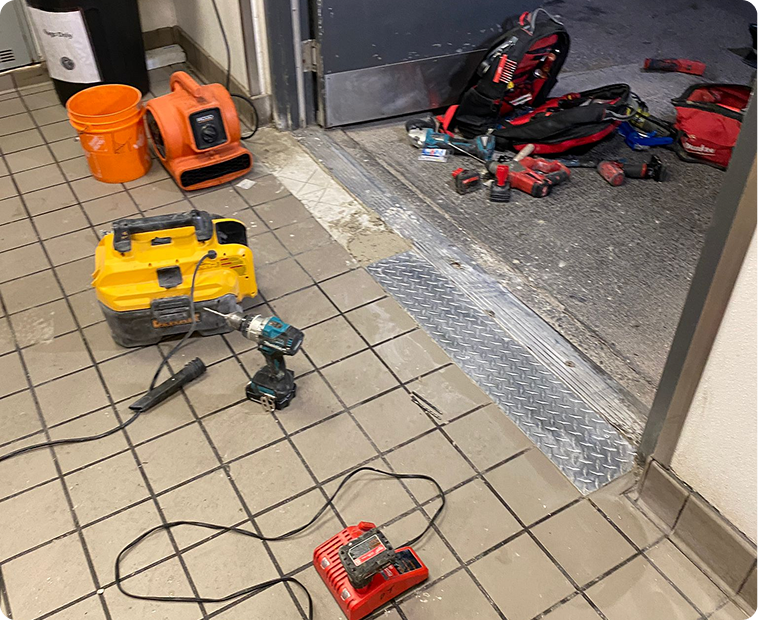
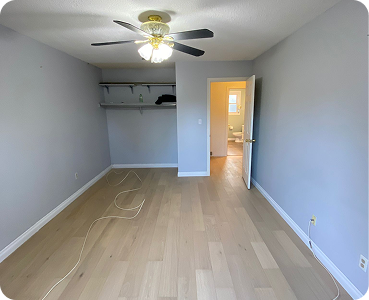
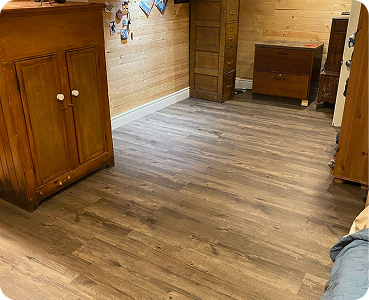
Gallery of Work in Toronto Handyman
Ready to work together?
We would be happy to hear from you if you have a project in mind and are seeking a reliable construction partner for the project.

What Our Clients Are Saying


Had kitchen tiles installed by Toronto Handyman. Denys made sure every detail was perfect.
Jasmine Dixon
Toronto
Denys tiled our bathroom, and the work was flawless. Tight grout lines, perfect leveling — it feels like a luxury spa now. The service isn’t the cheapest, but the craftsmanship speaks for itself.
Hal Baldwin
Toronto
We needed repairs on our deck and fence. Denys from Toronto Handyman did a solid job, making everything sturdy and refreshed.
Tommy Greenwood
Toronto
Had kitchen tiles installed by Toronto Handyman. Denys made sure every detail was perfect.
Jasmine Dixon
Toronto
Denys tiled our bathroom, and the work was flawless. Tight grout lines, perfect leveling — it feels like a luxury spa now. The service isn’t the cheapest, but the craftsmanship speaks for itself.
Hal Baldwin
Toronto
We needed repairs on our deck and fence. Denys from Toronto Handyman did a solid job, making everything sturdy and refreshed.
Tommy Greenwood
Toronto
Service Areas
We offer services across the Greater Toronto Area, including:
Get in Touch
Get an Estimate
Contact us today for a free estimate on your project
Info@thandymanservices.ca
Address
224 Millwood Rd, Toronto, Canada
Opening Hours
09:00–17:00
Telephone
(647) 326-9185