



 Floor Tiling
 Kitchen & Backsplash
 Shower & Wet Areas
 Lighting & Fixtures
 Devices & Upgrades
 Specialty Electrical
 Air Conditioning
 Water Heaters
 Climate Control
Grouting & Professional Sealing Toronto
Grouting and sealing are what turn a tile installation from “set in place” into fully finished, protected, and easier to maintain. Grout defines the joints, supports the final visual pattern, and helps close the spaces between tiles, while sealing helps reduce staining and moisture absorption in materials that need it. TCNA says sealing is generally a very good idea for cementitious grout, and it distinguishes between penetrating sealers, which bond within the grout and repel water and water-based stains, and topical sealers, which coat the surface until traffic wears them away. Local Toronto restoration pages pair grout work with sealing, re-caulking, and stone protection for exactly that reason. At Toronto Handyman Services, we position grouting and professional sealing as both a finish-quality service and a surface-protection service. The page is built to answer the real pre-quote questions: when grout needs replacing, when sealing matters, what type of surface should or should not be sealed, and how grout, caulk, and sealer each play a different role in the finished assembly.
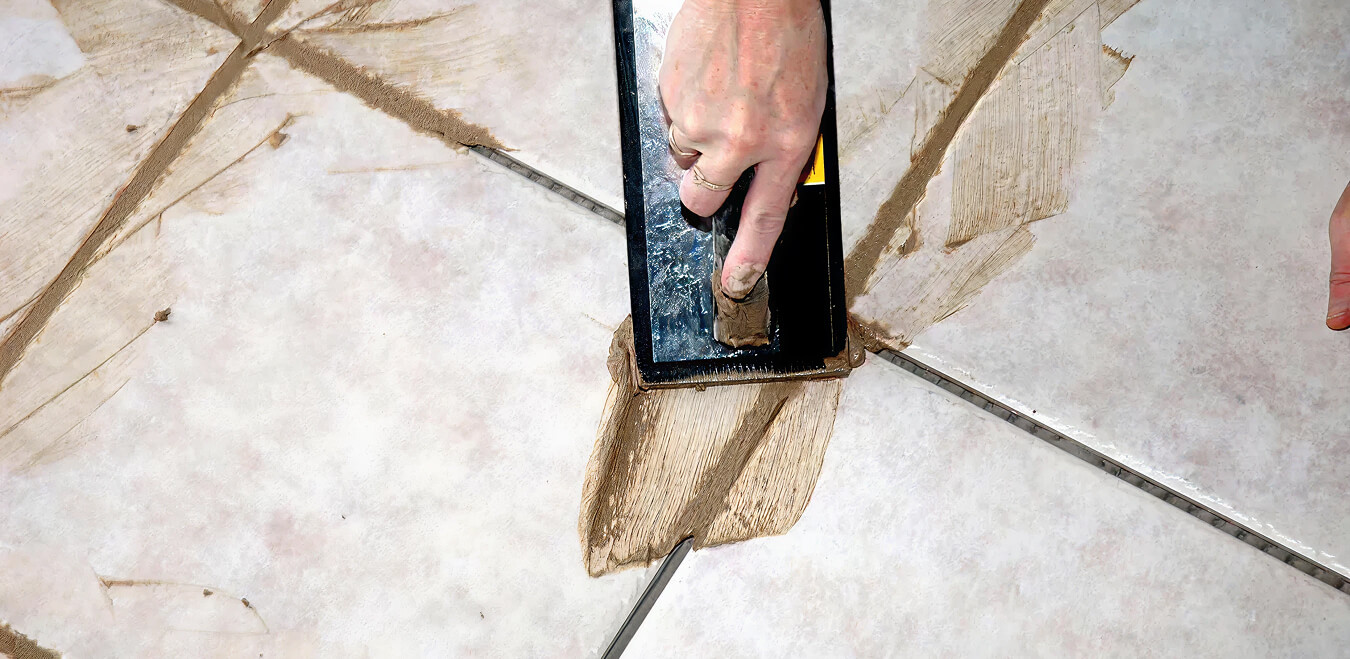
What grouting and professional sealing includes

This service can include new grout installation, regrouting damaged joints, grout repair, grout cleaning before sealing,replacement of failedcaulking where needed,application of penetrating or topical sealers where appropriate, and sealing of natural stone surfaces that need added stain resistance. The Toronto/GTA competitor set repeatedly groups these services together, especially for showers, bathroom floors, kitchen tile, backsplashes, and stone surfaces.
It also includes choosing the right finish for the material. TCNA notes there is no single grout-joint size standard that applies to every installation; joint decisions depend on factors such as tile variation, edge shape, tile size, where the tile is being used, and whether the surface is level. That matters because a cleaner, more durable finish depends on matching the grout approach to the tile and the room rather than treating every installation the same way.
Why grout quality and sealing matter
Good grout work affects both appearance and performance. Uneven joints, cracked grout, missing grout, stained grout, and poorly finished edges make even good tile look second-rate. Local Toronto pages consistently market re grouting, grout renewal, and sealingas restoration services because homeowners usually notice grout failure long before they notice the hidden reasons behind it.
Sealing matters because some grout and some tile/stone surfaces are absorbent. TCNA says cementitious grout generally benefits from sealing to reduce staining, while unglazed tile is also commonly recommended for sealing subject to manufacturer guidance. For natural stone, MAPEI says porous stone is best sealed before grouting and again after the grout has fully cured, and stone-industry guidance also notes that sealing can improve resistance to everyday dirt, spills, and moisture migration.
Which surfaces usually need sealing, and which usually do not
One of the biggest gaps on weak competitor pages is that they speak about “tile sealing” too broadly. TCNA says it is not a good idea to spray anything on glazed floor tile, because the factory glaze is easier to clean and longer-lasting than a coating. By contrast, cementitious grout generally benefits from sealing, and unglazed tile is generally recommended for sealing depending on manufacturer guidance.
Natural stone is its own category. MAPEI says porous stone is best sealed before grouting and again after the grout has cured, while the Natural Stone Institute says many marble and granite surfaces benefit from a quality sealer that improves resistance to dirt and spills. That is why professional sealing has to be material-specific: ceramic, porcelain, grout, and natural stone do not all get treated the same way.
Choosing the right grout for the installation
A better service page should also explain that grout selection is not just a colour choice. TCNA says grout-joint decisions depend on tile variation, edge regularity, tile size, location of use, and surface condition. For natural stone, installation guidance says unsanded grout is commonly selected for narrow joints and for softer or polished stones, and it also warns that dark or heavily pigmented grouts should be tested first to make sure they do not stain, scratch, dull, or damage the stone.
This matters in Toronto because the local market includes everything from basic ceramic floors to polished marble, honed stone, mosaics, showers, backsplashes, and restoration work. The strongest local pages position grout work alongside tile repair, cleaning, sealing, and caulking because those services often have to be coordinated rather than handled in isolation.
Why professional sealing is different from just “adding a coating”
Professional sealing starts with identifying the right surface and the right sealer type. TCNA separates sealers into penetrating and topical categories, while Toronto restoration companies also present the same basic distinction and explain that one type works within the material and another sits on top of it. In practice, that means the right sealing approach depends on whether the goal is invisible stain resistance, surface enhancement, colour sealing, or restoration.
Application also matters. MAPEI’s grout-sealer instructions say the product should be applied evenly, allowed to soak in for 5 to 10 minutes, and any unabsorbed sealer should then be removed from the tile and grout. That kind of controlled application is part of what separates a proper sealing service from a rushed wipe-on approach.
Grout, caulk, and sealant are not the same thing
A strong grouting page should also make clear that grout does not belong in every joint. Natural-stone installation guidancesays all perimeter and change-of-plane areasshould be filled with an appropriate flexible sealant, not hard grout. That matters in showers, backsplashes, corners, and transitions where movement can cause rigid grout to crack.
Toronto restoration pages reflect that real-world service pattern by bundling re grouting with re-caulking, silicone replacement, and mould-resistant caulking. One GTA shower-restoration page specifically says the process includes drying the tile and grout before sealing and re-caulking, then using100% siliconemould-resistant caulking in multiple colours.
Our grouting and professional sealing process
Inspection and material review
We inspect the tile, grout condition, moisture exposure, staining, cracks, and any failed joints or caulking. Toronto restoration pages repeatedly start with assessment because grout work varies a lot between showers, kitchen backsplashes, bathroom floors, and natural-stone surfaces.
Cleaning and joint preparation
Before new grout or sealer is applied, the surface and joints need to be properly cleaned and prepared. Local competitors repeatedly describe grout cleaning, mould treatment, or removal of damaged material as part of the preparation stage before sealing or re grouting
Grouting or regrouting
We fill or replace the grout with attention to joint consistency, clean lines, and the tile type being used. TCNA notes that grout lines should be straight and of even width, while grout-joint width decisions should reflect tile variation, edge regularity, tile size, and surface conditions.
Sealing where appropriate
Once the grout or porous stoneis ready, we apply the appropriate sealerfor the material and use. TCNA says sealing is generally a good idea for cementitious grout, and MAPEI says porous natural stone is best sealed before grouting and again after the grout has cured.
Final detail work and inspection
We review the finish, check the joints, wipe residual product where needed, and make sure the visible lines look clean and complete.Toronto competitor pages repeatedly use “final inspection,” “clean finish,” and “like-new appearance” as key trust signals at the end of grout-restoration work.
Where this service adds the most value
Grouting and professional sealing add the most value in showers, bathroom floors, kitchen floors, backsplashes, entryways, laundry areas, and natural-stone surfaces where moisture, staining, or close-up visibility matter most. Toronto/GTA competitors consistently position grout repair, sealing, and re-caulking around these same spaces because that is where homeowners most often notice failure and most often want restoration instead of full replacement.
This service is also especially valuable on stone and grout that need stain resistance without changing the look too much. Local Toronto pages repeatedly describe impregnating/penetrating sealers for that purpose, while stone guidance emphasizes sealing porous stone before and after grouting for better protection.
Why choose Toronto Handyman Services for grouting and professional sealing in Toronto
Toronto HandymanServices treats grout and sealingwork as part of the performance of the full tileassembly, not just as a cosmetic touch-up. This page is stronger than many competing local pages because it explains the decision points customers actually need to understand: when grout needs replacing, when sealing makes sense, which surfaces should not be coated, when porous stone needs sealing before and after grouting, and why flexible sealant is different from grout at corners and transitions.
Add your real trust signals before publishing:
- Detailed written quotes
- Grout repair and re grouting for floors, showers, and backsplashes
- Professional sealing for grout and suitable natural-stone surfaces
- Clean finishing and careful joint work
- Toronto service coverage
- Workmanship warranty
- Before-and-after restoration gallery
- Clear advice on grout, sealers, and maintenance
Frequently asked questions
Does all grout need to be sealed?
Not all grout is treated the same way, but TCNA says sealingis generally a very good idea for cementitious grout. That guidance does not apply in the same way to epoxy grout.
Should ceramic and porcelain tile be sealed?
Glazed ceramic and porcelain tile usually do not need a surfacesealer. TCNA says it is not a good idea to spray sealer on glazed floor tile, though unglazed tile is generally recommended for sealing subject to manufacturer guidance.
When should natural stone be sealed?
MAPEI says porous natural stone is best sealed before grouting and again after the grout has fully cured.
Can grout fix every joint in a tiled area?
No. Natural-stone installation guidance says perimeter and change-of-plane areas should be filled with an appropriate flexible sealant, not hard grout.
What are the main types of grout sealer?
TCNA identifies two broad classes: penetrating sealers, which bond within the grout and repel water and water-based stains, and topical sealers, which coat the surfaceuntil they wear away.
CTA
Need cleaner joints, better protection, and a more finished-looking tile surface? Contact Toronto Handyman Services for grouting and professional sealing in Toronto for showers, floors, backsplashes, and natural-stone tile.
Table Of Content
- What grouting and professional sealing includes
- Why grout quality and sealing matter
- Which surfaces usually need sealing, and which usually do not
- Choosing the right grout for the installation
- Why professional sealing is different from just “adding a coating”
- Grout, caulk, and sealant are not the same thing
- Our grouting and professional sealing process
- Where this service adds the most value
- Why choose Toronto Handyman Services for grouting and professional sealing in Toronto
- Frequently asked questions
- CTA
Complete Handyman Guide for Homeowners
A handyman helps homeowners with small repairs, home maintenance, minor installations, safety fixes, and odd jobs around the property. These tasks may not need a full contractor, but they still need the right tools, skill, and care.
This handyman guide explains what a handyman does, when to call one, which jobs need licensed trades and how to plan small home repairs in a safe and simple way. It is useful for homeowners, condo owners, landlords, tenants, seniors, and property managers who want clear home repair help without confusion.
What Is a Handyman?
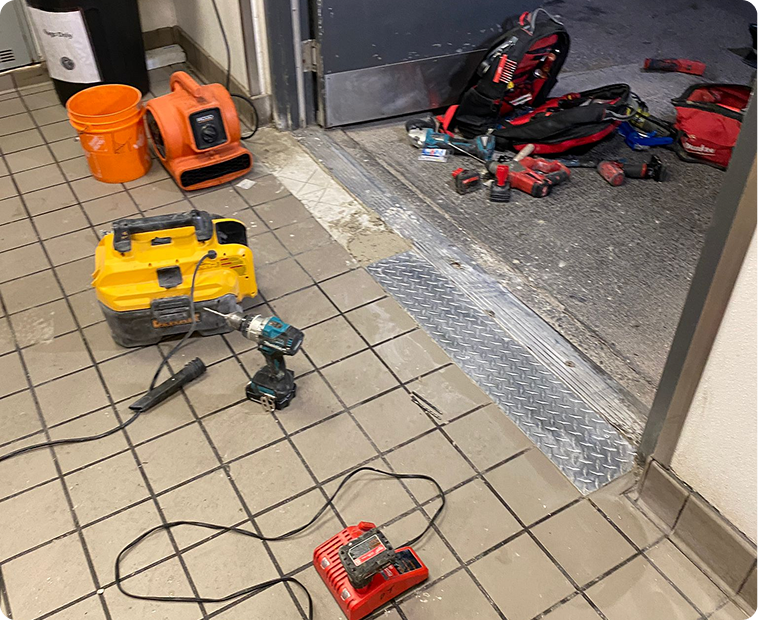
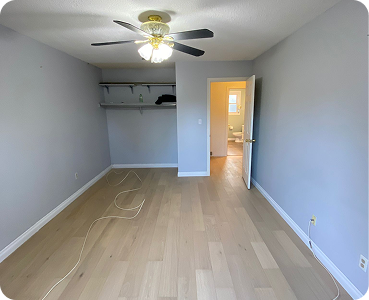
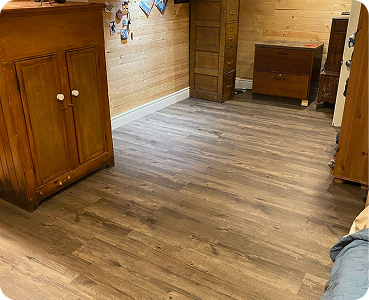
Gallery of Work in Toronto Handyman
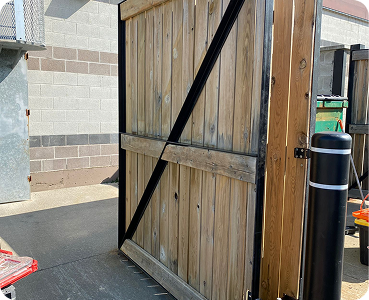
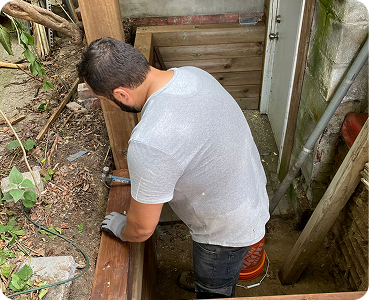
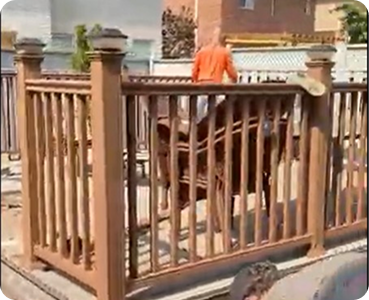

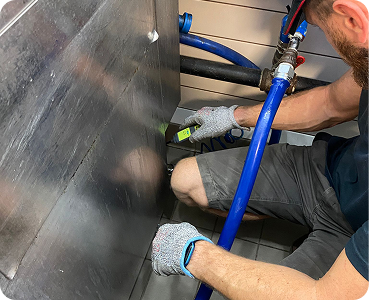
Ready to work together?
We would be happy to hear from you if you have a project in mind and are seeking a reliable construction partner for the project.

What Our Clients Are Saying


Had kitchen tiles installed by Toronto Handyman. Denys made sure every detail was perfect.
Jasmine Dixon
Toronto
Denys tiled our bathroom, and the work was flawless. Tight grout lines, perfect leveling — it feels like a luxury spa now. The service isn’t the cheapest, but the craftsmanship speaks for itself.
Hal Baldwin
Toronto
We needed repairs on our deck and fence. Denys from Toronto Handyman did a solid job, making everything sturdy and refreshed.
Tommy Greenwood
Toronto
Had kitchen tiles installed by Toronto Handyman. Denys made sure every detail was perfect.
Jasmine Dixon
Toronto
Denys tiled our bathroom, and the work was flawless. Tight grout lines, perfect leveling — it feels like a luxury spa now. The service isn’t the cheapest, but the craftsmanship speaks for itself.
Hal Baldwin
Toronto
We needed repairs on our deck and fence. Denys from Toronto Handyman did a solid job, making everything sturdy and refreshed.
Tommy Greenwood
Toronto
Service Areas
We offer services across the Greater Toronto Area, including:
Get in Touch
Get an Estimate
Contact us today for a free estimate on your project
Info@thandymanservices.ca
Address
224 Millwood Rd, Toronto, Canada
Opening Hours
09:00–17:00
Telephone
(647) 326-9185