



 Floor Tiling
 Kitchen & Backsplash
 Shower & Wet Areas
 Lighting & Fixtures
 Devices & Upgrades
 Specialty Electrical
 Air Conditioning
 Water Heaters
 Climate Control
New Air Conditioning System Installation Toronto
A new air conditioning system installation is more than swapping one outdoor unit for another. The right system has to match the home’s cooling load, airflow conditions, indoor equipment, control strategy, and installation constraints so it can cool properly without wasting energy or leaving the house damp and uncomfortable. NRCan says an oversized air conditioner may not run long enough to dehumidify properly, while ENERGY STAR guidance says right-sized air conditioners generally provide better dehumidification and more consistent comfort. For Toronto Handyman Services, this page should be positioned as a new cooling-system page, not just an appliance-delivery page. Toronto competitors consistently sell new AC installation around proper sizing, equipment selection, installation quality, financing, and relief from hot, humid summers, but the strongest version of the page explains the hidden decisions that affect the result after installation day.

What new system installation includes

New systeminstallation can includesite assessment, cooling-load review, equipment selection, placement planning for the outdoor unit, indoor coil or air-handler coordination, refrigerant-line and drainrouting, electrical connection, thermostat setup, startuptesting, and finalwalkthrough. Toronto competitor pages repeatedly position installation as a full-service process with consultation, professional installation, and testing rather than a simple drop-in replacement.
A stronger page should also explain that some projects are straightforward AC replacements, while others are more involved because the home needs duct modifications, indoor-equipment compatibility checks, drainage corrections, or a broader rethink of the cooling approach. Toronto competitors already hint at this by talking about sizing, placement, efficiency, compatibility with existing heating equipment, and job-site limitations.
Why proper sizing matters before installation
Proper sizing is one of the most important decisions in a new AC project. NRCan says you should choose an air conditioner with the proper cooling capacity for your application and notes that an oversized unit may not stay on long enough to dehumidify properly. ENERGY STAR’s right-sizing guidance also says oversized systems can reduce comfort and dehumidification performance.
That matters in Toronto because summer comfort is not only about temperature. It is also about humidity. A stronger service page should therefore explain that bigger is not automatically better, and that system selection should be based on the home rather than a rough “same size as before” assumption. Competitor pages often mention proper sizing, but they rarely explain why it changes the feel of the home after installation.
Choosing the right type of cooling system
For many Toronto homes, the main new-system decision is between a central air conditioner, a ductless cooling system, or an integrated heat pump cooling system. Competitor pages across Toronto repeatedly group these together because homeowners are often deciding between a traditional central AC path and a more flexible high-efficiency alternative.
A stronger page should make the buying logic clearer. Central AC usually fits homes that already have suitable ductwork and a compatible indoor setup. Ductless systems are often chosen where ducts are limited or room-by-room zoning matters more. Heat-pump-based cooling can make sense where the homeowner also wants an efficiency-led heating and cooling upgrade. Toronto competitor clusters already use these groupings in their installation pages, so this page should reflect that same real search intent.
Efficiency ratings and why they matter
NRCan’s searchable product information says cooling efficiency can be comparedusing SEER2 and EER2 ratings, and that higher ratings indicatebetter performance. ENERGY STAR’s current key criteria for central air conditioners also list higher-efficiency thresholds for qualifying split and package systems.
That means a better service page should explain efficiency in a practical way. Higher-efficiency equipment can help reduce operating costs, but the equipment still has to be properly sized and installed to perform well. ENERGY STAR’s central air specification explicitly says proper sizing and installation are critical to achieve optimal performance.
What changes the scope of a new AC installation
Not every new system installation is the same. The scope becomes more involved when the home has older ductwork, poor airflow, limited outdoor-unit placement options, compatibility questions with the indoor coil or furnace, drainage issues, or electrical work that needs to be updated. Toronto competitor pages regularly talk about job-site limitations, system compatibility, duct upgrades, and complete HVAC design for exactly these reasons.
This is one of the biggest gaps in weak local pages. They sell “new AC installed fast,” but they do not explain why one project is a simple replacement and another is really a cooling system redesign plus installation. A stronger page wins by making those differences clear before the quote request.
Why installation quality matters as much as equipment choice
Even a good unit can disappoint if the installation is poor. Competitor pages repeatedly use phrases such as done right the first time, clean installation, code-compliant work, testing, and lasting comfort, which shows what buyers already worry about: not just the brand, but the execution.
This page should therefore lean into the installation details that actually affect long-term performance: correct sizing, proper placement, refrigerant-charge accuracy, airflow compatibility, drainage, and final testing. Those points appear across the better competitor pages, but they are often not expanded enough to help the customer understand why they matter.
When TSSA registration matters
If the project includes fuels-related work, Ontario compliance becomes more specific. TSSA says Registered Fuels Contractors are the only businesses legally authorized to do fuels-related work in Ontario. So if the AC installation also involves fuel-fired heating equipment or other fuels-related changes, that part of the project should be handled through the right TSSA-registered contractor pathway.
That does not mean every new AC installation is automatically a fuels job. It means the page should avoid vague “handyman HVAC” positioning and instead make clear that any regulated HVAC or fuels-related work is carried out through the properly licensed and registered contractor structure.
Our new system installation process
Home assessment and cooling review
We assess the home, discuss the cooling problems you want to solve, and review the current system, layout, and installation conditions. Toronto competitors consistently begin with consultation or assessment because new-system installation depends on the home, not just the equipment box.
Equipment and sizing recommendation
We recommend the most suitable cooling-system path based on the space, the comfort target, and the installation conditions. NRCan and ENERGYSTAR both make clear that proper sizing is central to comfort and performance.
Installation planning
We plan placement, connections, and any compatibility or access issues before the new system goes in. Toronto competitor pages repeatedly tie successful installation to planning around layout, limitations, and system matching.
Professional installation and startup
The new system is installed, connected, and tested so cooling performance and controls can be checked before handover. Better Toronto competitor pages consistently present testing and walkthrough as part of the installation, not an extra.
Walkthrough and next-step care
We explain the thermostat, basic system operation, and what to watch for after installation. Competitor pages commonly use maintenance and long-term comfort language at this stage because homeowners want the system to stay reliable after day one.
Where this service adds the most value
New system installation adds the most value in homes with aging AC equipment, inconsistent cooling, high summer humidity, rising operating costs, or no practical whole-home cooling solution at all. Toronto competitor pages repeatedly sell new AC installations around these same homeowner pain points.
It is also especially valuable where the current cooling approach is mismatched to the house, such as relying on multiple window units, an undersized or oversized system, or a setup that no longer fits the home after renovation or occupancy changes. NRCan’s sizing guidance and Toronto competitor messaging both support treating installation as a comfort-design decision, not just a replacement purchase.
Why choose Toronto Handyman Services for new system installation in Toronto
This page should position Toronto Handyman Services around cooling-system planning, proper sizing, efficient equipment selection, and clean installation execution. The strongest version is one that clearly shows the service is structured professionally and, where regulated HVAC or fuels-related work is involved, delivered through the properly licensed contractor pathway.
Add your real trust signals before publishing: Detailed written quotes, equipment-selection guidance, central AC and cooling-system installation, clean installation standards, Toronto service coverage, workmanship warranty, and before-and-after project examples. Competitor pages repeatedly use these trust signals because they improve conversion in the Toronto HVAC market.
Frequently asked questions
Why does proper AC sizing matter so much?
Because NRCan says an oversized unit may not run long enough to dehumidify properly, and ENERGY STAR says right-sized systems generally deliver better dehumidification and more consistent comfort.
Should I choose central AC, ductless, or a heat-pump cooling system?
That depends on the home’s duct setup, room layout, efficiency goals, and whether you want cooling only or a broader heating-and-cooling upgrade. Toronto competitors commonly present all three as the main decision paths in new installation projects.
What efficiency ratings should I look at?
NRCan says cooling efficiency can be compared using SEER2 and EER2, and higher ratings indicate better performance. ENERGY STAR also publishes higher qualifying criteria for central air conditioners.
Does a new AC installation ever involve more than the outdoor unit?
Yes. Toronto competitor pages repeatedly mention sizing, compatibility with existing equipment, ductwork changes, refrigerant-line routing, drainage, and installation constraints as factors that can expand the scope of the project.
When does TSSA registration matter?
TSSA says Registered Fuels Contractors are the only businesses legally authorized to do fuels-related work in Ontario, so if the cooling installation also involves fuels-related HVAC work, that part of the job should be handled through the right registered-contractor route.
CTA
Planning a new cooling-system installation in Toronto? Use this page to position Toronto Handyman Services around proper sizing, efficient equipment selection, and clean installation, with regulated HVAC or fuels-related work handled through the appropriate licensed contractor pathway.
Table Of Content
- What new system installation includes
- Why proper sizing matters before installation
- Choosing the right type of cooling system
- Efficiency ratings and why they matter
- What changes the scope of a new AC installation
- Why installation quality matters as much as equipment choice
- When TSSA registration matters
- Our new system installation process
- Where this service adds the most value
- Why choose Toronto Handyman Services for new system installation in Toronto
- Frequently asked questions
- CTA
Complete Handyman Guide for Homeowners
A handyman helps homeowners with small repairs, home maintenance, minor installations, safety fixes, and odd jobs around the property. These tasks may not need a full contractor, but they still need the right tools, skill, and care.
This handyman guide explains what a handyman does, when to call one, which jobs need licensed trades and how to plan small home repairs in a safe and simple way. It is useful for homeowners, condo owners, landlords, tenants, seniors, and property managers who want clear home repair help without confusion.
What Is a Handyman?
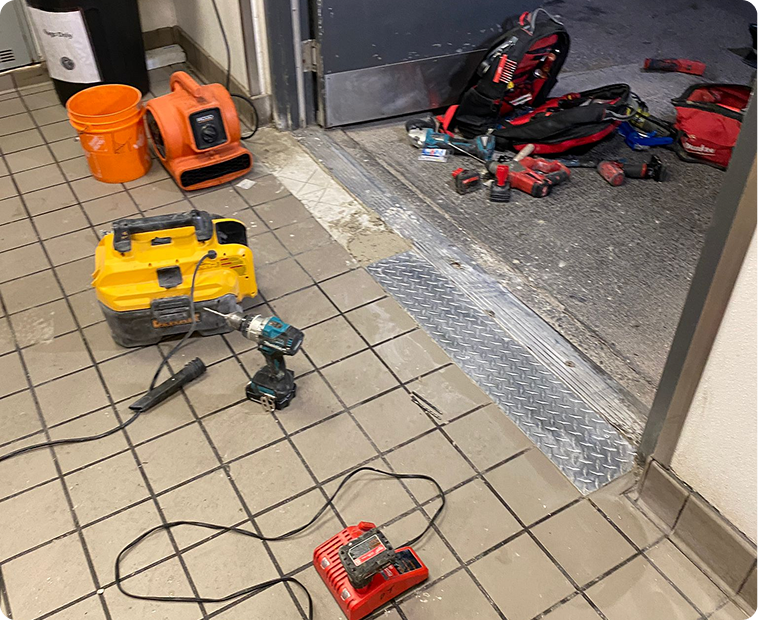
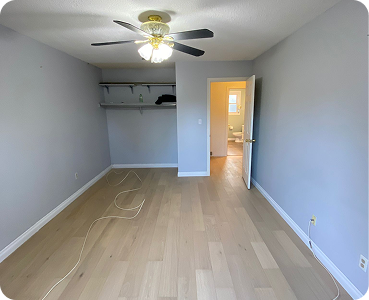
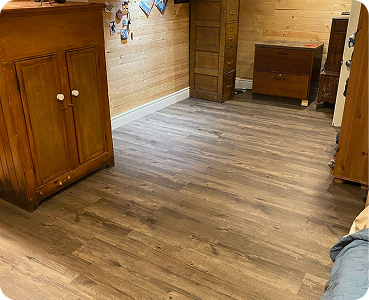
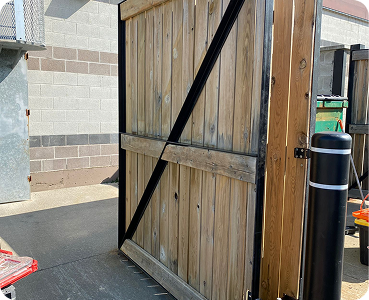
Gallery of Work in Toronto Handyman


Ready to work together?
We would be happy to hear from you if you have a project in mind and are seeking a reliable construction partner for the project.

What Our Clients Are Saying


Had kitchen tiles installed by Toronto Handyman. Denys made sure every detail was perfect.
Jasmine Dixon
Toronto
Denys tiled our bathroom, and the work was flawless. Tight grout lines, perfect leveling — it feels like a luxury spa now. The service isn’t the cheapest, but the craftsmanship speaks for itself.
Hal Baldwin
Toronto
We needed repairs on our deck and fence. Denys from Toronto Handyman did a solid job, making everything sturdy and refreshed.
Tommy Greenwood
Toronto
Had kitchen tiles installed by Toronto Handyman. Denys made sure every detail was perfect.
Jasmine Dixon
Toronto
Denys tiled our bathroom, and the work was flawless. Tight grout lines, perfect leveling — it feels like a luxury spa now. The service isn’t the cheapest, but the craftsmanship speaks for itself.
Hal Baldwin
Toronto
We needed repairs on our deck and fence. Denys from Toronto Handyman did a solid job, making everything sturdy and refreshed.
Tommy Greenwood
Toronto
Service Areas
We offer services across the Greater Toronto Area, including:
Get in Touch
Get an Estimate
Contact us today for a free estimate on your project
Info@thandymanservices.ca
Address
224 Millwood Rd, Toronto, Canada
Opening Hours
09:00–17:00
Telephone
(647) 326-9185