



 Floor Tiling
 Kitchen & Backsplash
 Shower & Wet Areas
 Lighting & Fixtures
 Devices & Upgrades
 Specialty Electrical
 Air Conditioning
 Water Heaters
 Climate Control
Under-Cabinet Finishing & Caulking Toronto
The final look of a backsplash is decided by the details, not just the tile itself. Under-cabinet finishing and caulking control how the backsplash meets the underside of upper cabinets, how the tile transitions at exposed ends, how the joint above the countertop is sealed, and how inside corners and small termination points are handled. In Toronto’s backsplash market, the better-performing pages repeatedly highlight tidy silicone lines, clean edge finishing, accurate outlet cuts, and seamless final detailing because these are the details homeowners notice immediately at eye level. At Toronto Handyman Services, this service is positioned as the finishing layer that makes a backsplash look intentional from every angle. Instead of treating caulking as a minor afterthought, we treat it as part of the visible design finish and part of the movement strategy of the installation. TCNA states that where there is a change in substrate or backing surface, caulk should be used in place of grout, because those surfaces move independently; it also warns that grout in those areas can crack and allow moisture to penetrate.
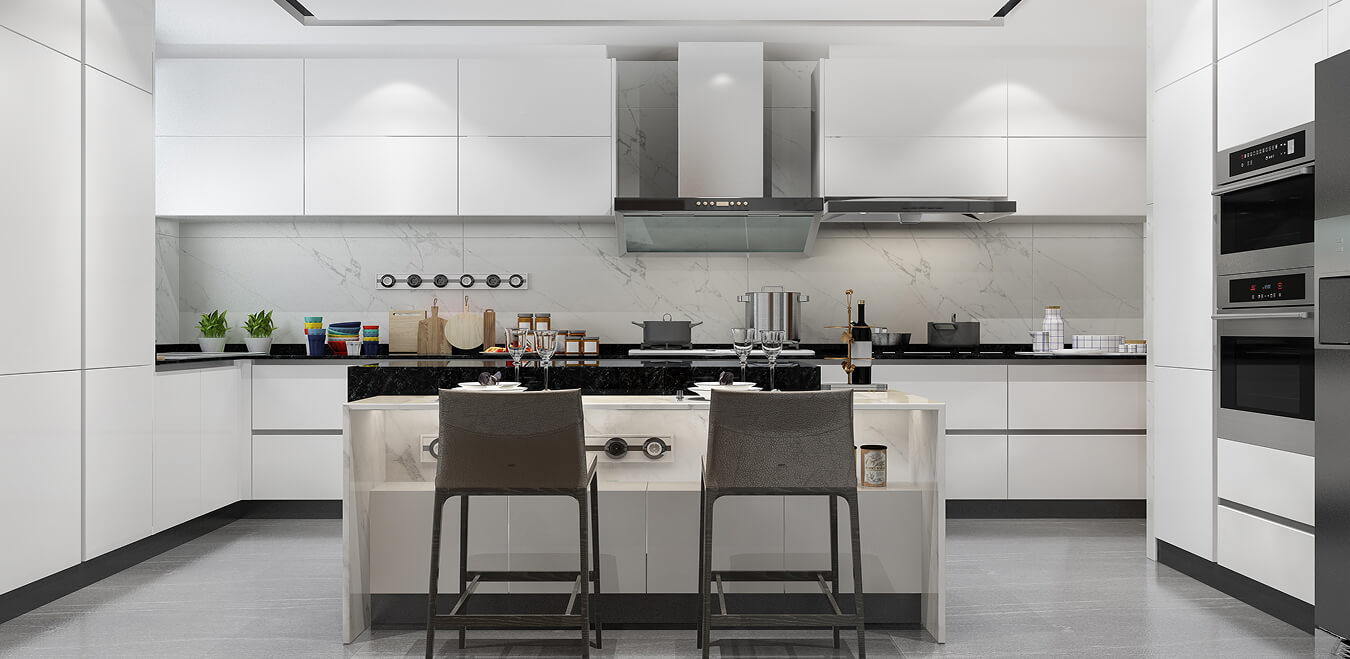
What under-cabinet finishing and caulking includes

This service can include finishing the tile line neatly against the underside of upper cabinets, sealing the joint where backsplash meets countertop, treating inside corners and small transitions correctly, refining exposed tile ends, cleaning up visual breaks around trim or cabinet returns, and colour-matching the sealant so the finished line looks deliberate rather than patched in. Toronto competitor pages repeatedly frame these details as part of a premium backsplash finish, especially when they mention tidy silicone lines, seamless edge finishing, and perfectly fitted edges.
The goal is not only appearance. It is also flexibility and durability. Custom Building Products states that its 100% silicone sealant is designed for coves, corners, changes in plane, and expansion joints in tile and stone applications and that it meets TCNA EJ171 movement-joint guidance. MAPEI like wise positions its 100% silicone sealants for corner and change-of-plane joints in wet and dry installations.
Why this detail matters on a backsplash
Backsplashes are inspected at close range, often in direct task lighting under the cabinets. That means even small finishing problems stand out: uneven caulk lines, chipped exposed edges, overfilled joints, awkward gaps at cabinet ends, rough terminations at tile edges, and visible inconsistencies where the backsplash meets the countertop. Toronto competitor content repeatedly sells “precision” because backsplash work is one of the most detail-sensitive parts of a kitchen renovation.
The performance side matters too. TCNA says caulk is the better choice where surfaces move independently, and it specifically notes that using grout instead can lead to cracking, moisture penetration, and even tile damage where movement is strong enough. That makes under-cabinet finishing and caulking more than cosmetic work. It is part of how the installation accommodates movement while still looking clean.
Where caulk should be used instead of grout
For backsplash work, the most important soft joints are usually the countertop-to-backsplash joint, inside vertical corners, and other locations where the tiled plane meets a different material or a different plane. TCNA states that anywhere there is a change in substrate or backing surface, caulk should be used instead of grout. It also notes that acrylic caulks break down in horizontal wet applications and that silicone, urethane, or multi-polymer caulksare better choices there.
That is why high-quality backsplash finishing often uses 100% silicone, especially where the backsplash meets the countertop, around sinks, and at other moisture-prone transitions.
Custom Building Products describes 100% silicone as permanently flexible for changes in plane and wet applications, while MAPEI promotes colour-matched silicone for corner and change-of-plane joints in both wet and dry settings.
How under-cabinet finishing affects the visual line of the backsplash
The underside of the uppercabinets creates a strong horizontal sightline in most kitchens. If the top termination of the backsplash is rough, uneven, or inconsistently caulked, the whole installation can look off even when the tile itself is good. That is why strong local competitor pages talk about sharp layouts, aligned sightlines, and backsplashes that look intentional from every angle.
Good under-cabinet finishing also helps the backsplash relate better to task lighting, outlets, cabinet faces, and the countertop run below. In practice, this means cleaner top lines, better-looking shadow lines under the cabinets, and fewer visual distractions in a part of the kitchen people see every day. That design logic is consistent with the custom-backsplash pages in Toronto that emphasize consultation, material coordination, and precise installation rather than tile-setting alone.
Edge finishing options for exposed backsplash ends
Not every backsplash ends against a wall. Some stop at the side of a cabinet run, beside a doorway, near open shelving, or at a return where the tile edge remains visible. In those cases, exposed edges need a proper finish. Toronto competitor pages commonly mention seamless edge finishing and perfectly fitted edges, and some specifically reference finishing the edges against cabinets, trim, or the ceiling.
One of the cleanest ways to finish exposed edges is with a profile trim. Schluter states that its edge-protecting profiles create durable and decorative finishes for wall coverings and tile edges, while local Toronto backsplash content specifically mentions using slim Schluter profiles for clean, durable, easy-to-clean edge terminations.
Colour-matched caulking and finish quality
A good caulk line should not look like a repair. It should look like part of the installation. That is why colour matching matters. MAPEI markets colour-matched 100% silicone products for tile corner and change-of-plane joints, and CustomBuilding Products offers100% silicone designed for tile and stone movement joints. These products support a cleaner visual result than generic household caulks in tile-focused applications.
TCNA also notes a practical reality here: even when caulk matches grout at installation, it can age differently over time. That means the correct product choice and neat application both matter. A stronger service page should explain that caulking is not only about filling a gap; it is about selecting a flexible, appropriate sealant and applying it with control so the line stays clean and functional.
Our under-cabinet finishing and caulking process
Review the joint locations
We inspect where the backsplash meets the countertop, cabinet underside, inside corners, and any exposed edges or cabinet returns. This helps us decide which joints need flexible sealant, which edges need a trim or tile return, and where the finish line will be most visible. That approach aligns with the stronger Toronto backsplash pages that emphasize planning, outlet mapping, edge treatment, and precise final detailing.
Clean and prepare the surfaces
A clean, dry, properly prepared joint is essential for a neat finish. We remove dust, residue, and any failed old material where needed so the new sealant can sit cleanly and the line can be finished properly. While many competitor pages do not explain this step in depth, the official sealant guidance they rely on is built around correct application conditions and movement-joint performance.
Select the right finish method
Depending on the location, we use the appropriate combination of flexible sealant, edge profile, finished tile edge, or other clean termination method. This is important because the best solution at the underside of a cabinet is not always the same as the best solution at an exposed tile end. Local competitors repeatedly separate silicone lines, edge finishing, and pattern alignment because these are distinct finishing decisions.
Apply and tool the sealant cleanly
We apply the sealant so the line is consistent, controlled, and visually straight. The aim is a finish that supports movement without looking bulky or irregular. TCNA’s guidance on change-of-plane joints and the product guidance from MAPEI and Custom both support flexible, tile-appropriate sealants in these locations.
Final check on the visible details
We review the countertop line, cabinet underside line, corners, edges, and any outlet-adjacent finishing so the backsplash reads as one complete, polishe dinstallation. This matches the conversion language used on leading Toronto backsplash pages, where clean cuts, tight joints, straight grout lines, and minimal mess are repeated trust signals.
Where this service adds the most value
This service is especially useful on kitchen backsplashes, bar backsplashes, coffee stations, laundry splash areas, and other wall-tile zones where the backsplash is highly visible and closely framed by cabinets, counters, outlets, and trim. Toronto competitor pages focus most heavily on kitchen backsplashes, but the same detail standards apply anywhere a wall tile finish meets cabinetry or countertop surfaces.
It is also valuable on patterned backsplashes, mosaics, marble, and other premium materials where poor finishing can undermine an otherwise expensive-looking installation. Local roundups and service pages repeatedly highlight complex patterns, marble work, mosaics, and precision cuts as the projects where detail work matters most.
Why choose Toronto Handyman Services for under-cabinet finishing and caulking in Toronto
Toronto Handyman Services treats finishing as part of the craftsmanship, not just a punch-list item at the end of the job. This page is stronger than many competing local pages because it explains the decisions behind the visible result: where flexible sealant belongs, how to handle change-of-plane joints properly, how exposed tile edges should be finished, and why the underside of cabinets needs a straight, controlled finish line. In the Toronto market, those details are closely tied to how homeowners judge quality. Add your real trust signals before publishing:
- Detailed written quotes
- Clean, protected work areas
- Colour-matched finishing options
- Careful backsplash detail work across Toronto
- Clean countertop-to-backsplash joints
- Crisp exposed-edge finishing
- Workmanship warranty
- Before-and-after backsplash gallery
Frequently asked questions
Should a backsplash be caulked where it meets the countertop?
Yes. TCNA says that where there is a change in substrate or backing surface, caulk should be used instead of grout because those surfaces move independently. It also warns that grout in those areas can crack and allow moisture to penetrate.
Is silicone better than grout in inside corners?
For change-of-plane joints, yes. TCNA identifies caulk as the better choice there, and both Custom Building Products and MAPEI position 100% silicone products for corners and change-of-plane joints in tile and stone work.
What is under-cabinet finishing on a backsplash?
It is the detailing that makes the backsplash look complete where the tile meets the underside of upper cabinets, exposed ends, inside corners, trim, and the countertop line. Toronto backsplash competitors repeatedly treat these details as part of premium installation quality, especially when they mention tidy silicone lines and seamless edge finishing.
How do you finish an exposed backsplash edge?
A clean exposed edge can be finished with a profile trim, a finished tile edge, or another suitable termination method depending on the tile and the location. Schluter states that edge-protecting profiles provide durable and decorative finishes for tile edges and wall coverings.
Does colour-matched caulk matter?
Yes, because backsplash finishing is highly visible. MAPEI and Custom both offer tile-focused silicone options, and TCNA notes that customers should understand caulk can age differently from grout over time, so product choice and application quality matter.
CTA
Need a backsplash that looks finished, not just installed? Contact Toronto Handyman Services for under-cabinet finishing and caulking in Toronto, including countertop joints, inside corners, exposed tile edges, and clean backsplash detail work.
Table Of Content
- What under-cabinet finishing and caulking includes
- Why this detail matters on a backsplash
- Where caulk should be used instead of grout
- How under-cabinet finishing affects the visual line of the backsplash
- Edge finishing options for exposed backsplash ends
- Colour-matched caulking and finish quality
- Our under-cabinet finishing and caulking process
- Where this service adds the most value
- Why choose Toronto Handyman Services for under-cabinet finishing and caulking in Toronto
- Frequently asked questions
- CTA
Complete Handyman Guide for Homeowners
A handyman helps homeowners with small repairs, home maintenance, minor installations, safety fixes, and odd jobs around the property. These tasks may not need a full contractor, but they still need the right tools, skill, and care.
This handyman guide explains what a handyman does, when to call one, which jobs need licensed trades and how to plan small home repairs in a safe and simple way. It is useful for homeowners, condo owners, landlords, tenants, seniors, and property managers who want clear home repair help without confusion.
What Is a Handyman?
Gallery of Work in Toronto Handyman
Ready to work together?
We would be happy to hear from you if you have a project in mind and are seeking a reliable construction partner for the project.

What Our Clients Are Saying


Had kitchen tiles installed by Toronto Handyman. Denys made sure every detail was perfect.
Jasmine Dixon
Toronto
Denys tiled our bathroom, and the work was flawless. Tight grout lines, perfect leveling — it feels like a luxury spa now. The service isn’t the cheapest, but the craftsmanship speaks for itself.
Hal Baldwin
Toronto
We needed repairs on our deck and fence. Denys from Toronto Handyman did a solid job, making everything sturdy and refreshed.
Tommy Greenwood
Toronto
Had kitchen tiles installed by Toronto Handyman. Denys made sure every detail was perfect.
Jasmine Dixon
Toronto
Denys tiled our bathroom, and the work was flawless. Tight grout lines, perfect leveling — it feels like a luxury spa now. The service isn’t the cheapest, but the craftsmanship speaks for itself.
Hal Baldwin
Toronto
We needed repairs on our deck and fence. Denys from Toronto Handyman did a solid job, making everything sturdy and refreshed.
Tommy Greenwood
Toronto
Service Areas
We offer services across the Greater Toronto Area, including:
Get in Touch
Get an Estimate
Contact us today for a free estimate on your project
Info@thandymanservices.ca
Address
224 Millwood Rd, Toronto, Canada
Opening Hours
09:00–17:00
Telephone
(647) 326-9185