


 Floor Tiling
 Kitchen & Backsplash
 Shower & Wet Areas
 Lighting & Fixtures
 Devices & Upgrades
 Specialty Electrical
 Air Conditioning
 Water Heaters
 Climate Control
Surface Levelling & Preparation Toronto
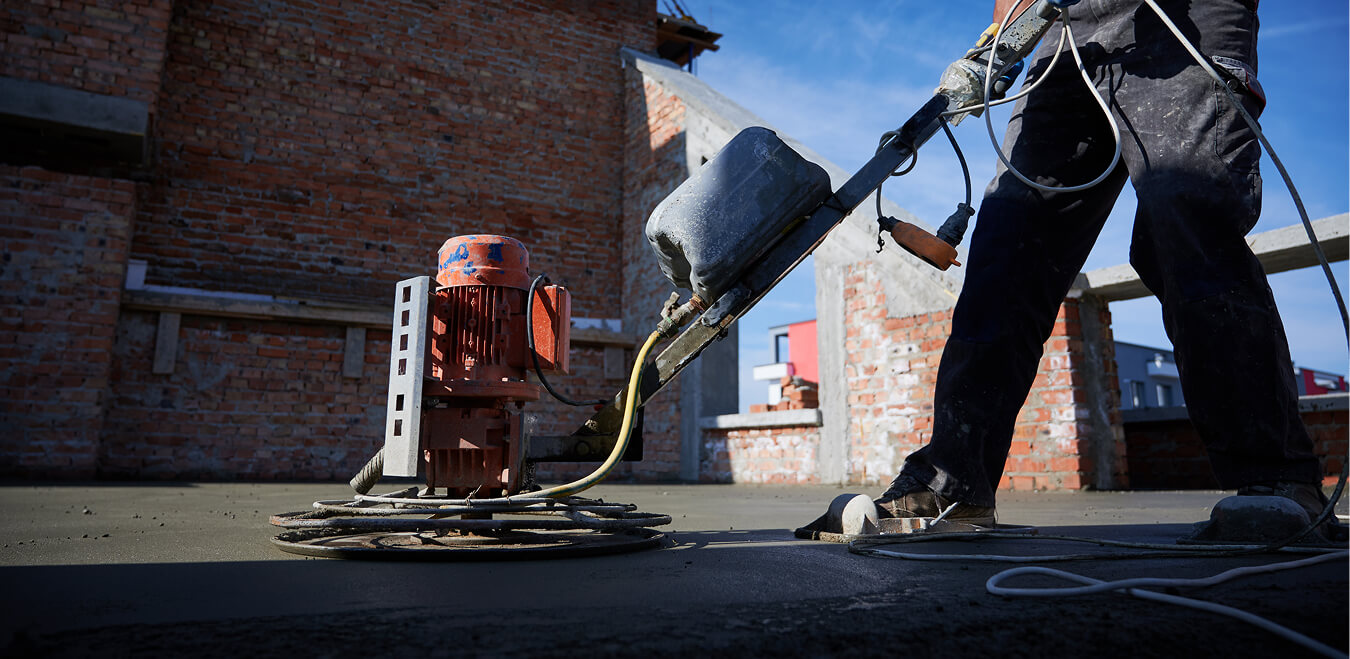
A tile installation is only as good as the surface underneath it. Uneven floors, weak spots, old adhesive residue, dips, ridges, movement, and poor transitions all affect how tile looks and how long it lasts. At Toronto Handyman Services, we handle surface levelling and preparation for ceramic, porcelain, and natural stone tile installations across Toronto so the finished floor or wall starts on a flat, stable, properly prepared base. This page is built around what homeowners actually need to know before booking: when a floor needs levelling, when patching is enough, when self-levelling underlayment makes sense, how large-format tile changes tolerance requirements, and why prep is often the difference between a clean installation and a costly callback. Competitor pages across Toronto and the GTA consistently position prep as essential, but the strongest page explains the decisions behind it.
What surface levelling and preparation includes

Surface levelling and preparation can include substrate inspection, measuring flatness, identifying low spots and high spots, cleaning contaminants, removing old flooring residue, patching damaged areas, correcting transitions, grinding or smoothing raised sections, priming the surface, applying self-levelling underlayment where appropriate, and preparing the area for tile installation. On some projects, it also includes dry-pack work, uncoupling systems, or preparation around heated floors and thresholds. Toronto competitors repeatedly mention dry-pack, self-levelling, Ditraor uncoupling, surface correction, waterproofing, and tile-ready finishes as their core prep features.
Why levelling matters before tile installation
Tile does not hide a bad substrate. If the base is uneven, the finished surface can show lippage, cracked grout, poor drainage in wet areas, awkward transitions, and visible alignment issues.
That is even more important with large-format tile, where flatter tolerances are required. Guidance used across the tile industry states that for tiles 15 inches or larger, substrate flatness should be no more than 1/8 inch in 10 feet and no more than 1/16 inch in 24 inches, while smaller tile allows a looser tolerance. Toronto competitors that focus on higher-end floor tile installations increasingly highlight tight tolerances, laser levelling, and substrate prep because that is what supports flatter, cleaner finished tile work.
Common signs a floor needs levelling or prep
Surface preparation is often needed when tiles rock during dry layout, grout joints look uneven, the floor has dips or humps, door thresholds do not line up, the substrate has old adhesive or patch residue, the room has visible cracks or weak spots, or the existingsurface is dirty, porous, glossy, or otherwise unsuitable for bonding. Many Toronto servicepages use broadphrases like “uneven floors” or “damaged subfloors,” but the practical issue is simple: if the substrate is not flat, sound, and clean, the tile system starts at a disadvantage. Industry guidance also notes that thin-set mortar is meant to bond tile, not to correct major substrate irregularities.
When self-levelling underlayment is the right choice
Self-levelling underlayment is commonly used when a floor has widespread unevenness, shallow dips, surface pitting, or inconsistent levels that need to be corrected before tile, vinyl, hardwood, or other finishes are installed. Toronto and Canadian levelling contractors frequently describe underlayments as a way to create a smooth, stable, flat base over concrete and some approved wood subfloors. Manufacturers also state that these products require correct primers and substrate-specific preparation before installation. That matters because the material choice, primer choice, and substrate condition all affect bond and performance.
What self-levelling underlayment does not do
Self-levelling underlayment is not a finished wear surface, and it is not a substitute for fixing every structural problem underneath the floor. Multiple manufacturers state that self-levelling products are not intended to remain exposed as the final floor surface. Product literature also limits where they can be used and stresses that the substrate must be suitable, stable, and properly prepared. That is why proper assessment comes first: some floors need patching, some need grinding, some need dry-pack or local correction, and some need a broader substrate rebuild before levelling products are considered.
Why primer, cleaning, and substrate condition matter
Prep products only perform properly when they are applied to the right type of surface under the right conditions. MAPEI’s current preparation guidance says its self-levelling underlayments require an appropriate primer, and it also sets substrate-specific rules for concrete, wood underlayments, adhesive residues, existing flooring, and other conditions. The same guidance warns against installing over certain unstable or unsuitable materials. This is one of the biggest gaps in weak competitor pages: they mention levelling, but they skip the substrate qualification step that decides whether levelling will actually bond and last.
Surface prep for ceramic, porcelain, and natural stone tile
Different tile categories place different demands on the substrate. Large-format porcelain needs tighter flatness control to reduce lippage and support narrow grout lines. Natural stone installations are often less forgiving because of weight, edge detail, and appearance expectations. General tile guidance also says the correct trowel size, mortar coverage, and movement-joint treatment matter, and that control joints at intersecting planes or where tile meets other materials should be respected. In practice, that means prep is not separate from installation quality — it is the first stage of installation quality.
Our surface levelling and preparation process
Site inspection and substrate assessment
We inspect the room, check the subfloor or wall condition, identify height differences, test flatness, and look for residue, damage, weak spots, moisture-related concerns, and transition issues. Competitor pages across Toronto often mention inspection, but the better process starts with identifying what the surface can safely accept.
Surface cleaning and correction
We remove loose debris, scrape or clean problem areas, and address surface contamination or irregularities that would affect bond. Where needed, we patch isolated low spots or smooth raised areas before broader levelling work begins. Manufacturers and prep guides stress that bond depends on a clean, suitable substrate.
Primer and prep system selection
We choose the preparation method based on the substrate, room use, and finish floor. That can involve primer, patching compound, self-levelling underlayment, or another prep system suited to the job. This is important because primer and underlayment compatibility is part of the installation system, not a minor add-on.
Levelling and flattening
We correct the surface so it is ready for tile installation and compatible with the room’s design, tile format, and transitions. On some projects, that means self-levelling. On others, it means more local repair or dry-pack work. Toronto competitors regularly mention dry-pack, self-levelling, and flattening as separate solutions because the right method depends on the floor, not just the finish material.
Tile-ready final preparation
Before installation begins, we confirm the surface is flat, stable, and ready for tile, including movement-joint planning and transitions where needed. This is especially important for large-format tile, heated floors, and areas where the tile meets hardwood, vinyl, or thresholds.
Where this service is most useful
Surface levelling and preparation is especially important for bathroom floors, kitchen floors, foyers, laundry rooms, basement floors, older Toronto homes with settlement-related unevenness, and any project using large-format porcelain or natural stone. It is also useful where new tile needs to meet existing hardwood or adjacent finished floors cleanly. Toronto competitors often use threshold alignment, heated floor readiness, and flat modern finishes as selling points because these are common real-world renovation issues.
Why choose Toronto Handyman Services for surface levelling and prep in Toronto
Toronto Handyman Services focuses on the work that makes the visible finish look better and last longer: proper assessment, realistic correction, appropriate prep products, clean transitions, and flat tile-ready surfaces. This page is stronger than many competitor pages because it explains the difference between bonding and levelling, between patching and full-floor correction, and between a quick cosmetic fix and a proper tile-ready base. In the Toronto market, competitors repeatedly use trust signals like free quotes, detailed consultations, warranties, and start-to-finish project handling. Those trust signals should remain part of the final published version of this page as well.
Frequently asked questions
Can tile be installed over an uneven floor?
It can be installed only after the floor is brought within acceptable flatness tolerances for the tile being used. Industry guidance makes clear that larger tile requires flatter substrates, and thin-set mortar is not intended to correct major unevenness.
Is self-levelling compound the same as structural repair?
No. Self-levelling underlayment is designed to create a flatter, smoother substrate for a finished floor, but manufacturer guidance still requires a suitable, stable, properly prepared base underneath it.
Does every tile floor need self-levelling?
No. Some floors only need patching, grinding, or local correction. Self-levelling is useful when the unevenness is broader or the tolerance requirements are tighter, especially for large-format tile or finish floors that show irregularities easily.
Can self-levelling underlayment be left exposed?
Not normally. Several manufacturer documents state that self-levelling underlayments are not intended to be permanent wear surfaces and should receive a finished floor covering.
Why does large-format tile need better surface prep?
Because flatter substrates reduce lippage, support narrower grout joints, and improve the finished appearance. Industry guidance for large-format tile sets tighter flatness standards than for smaller tile.
CTA
Planning a tile project in Toronto? Contact Toronto Handyman Services for surface levelling and preparation that gives ceramic, porcelain, and natural stone tile the flat, stable base they need.
Table Of Content
- What surface levelling and preparation includes
- Why levelling matters before tile installation
- Common signs a floor needs levelling or prep
- When self-levelling underlayment is the right choice
- What self-levelling underlayment does not do
- Why primer, cleaning, and substrate condition matter
- Surface prep for ceramic, porcelain, and natural stone tile
- Our surface levelling and preparation process
- Where this service is most useful
- Why choose Toronto Handyman Services for surface levelling and prep in Toronto
- Frequently asked questions
- CTA
Complete Handyman Guide for Homeowners
A handyman helps homeowners with small repairs, home maintenance, minor installations, safety fixes, and odd jobs around the property. These tasks may not need a full contractor, but they still need the right tools, skill, and care.
This handyman guide explains what a handyman does, when to call one, which jobs need licensed trades and how to plan small home repairs in a safe and simple way. It is useful for homeowners, condo owners, landlords, tenants, seniors, and property managers who want clear home repair help without confusion.
What Is a Handyman?
Gallery of Work in Toronto Handyman
Ready to work together?
We would be happy to hear from you if you have a project in mind and are seeking a reliable construction partner for the project.

What Our Clients Are Saying


Had kitchen tiles installed by Toronto Handyman. Denys made sure every detail was perfect.
Jasmine Dixon
Toronto
Denys tiled our bathroom, and the work was flawless. Tight grout lines, perfect leveling — it feels like a luxury spa now. The service isn’t the cheapest, but the craftsmanship speaks for itself.
Hal Baldwin
Toronto
We needed repairs on our deck and fence. Denys from Toronto Handyman did a solid job, making everything sturdy and refreshed.
Tommy Greenwood
Toronto
Had kitchen tiles installed by Toronto Handyman. Denys made sure every detail was perfect.
Jasmine Dixon
Toronto
Denys tiled our bathroom, and the work was flawless. Tight grout lines, perfect leveling — it feels like a luxury spa now. The service isn’t the cheapest, but the craftsmanship speaks for itself.
Hal Baldwin
Toronto
We needed repairs on our deck and fence. Denys from Toronto Handyman did a solid job, making everything sturdy and refreshed.
Tommy Greenwood
Toronto
Service Areas
We offer services across the Greater Toronto Area, including:
Get in Touch
Get an Estimate
Contact us today for a free estimate on your project
Info@thandymanservices.ca
Address
224 Millwood Rd, Toronto, Canada
Opening Hours
09:00–17:00
Telephone
(647) 326-9185